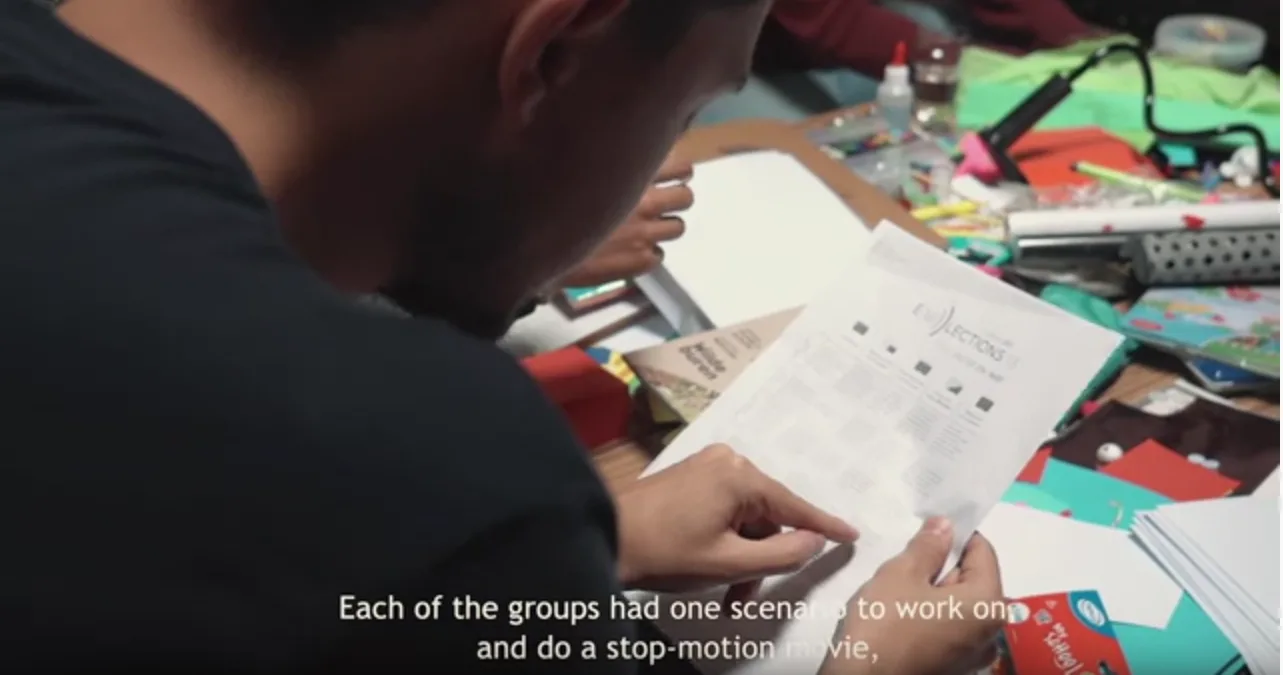
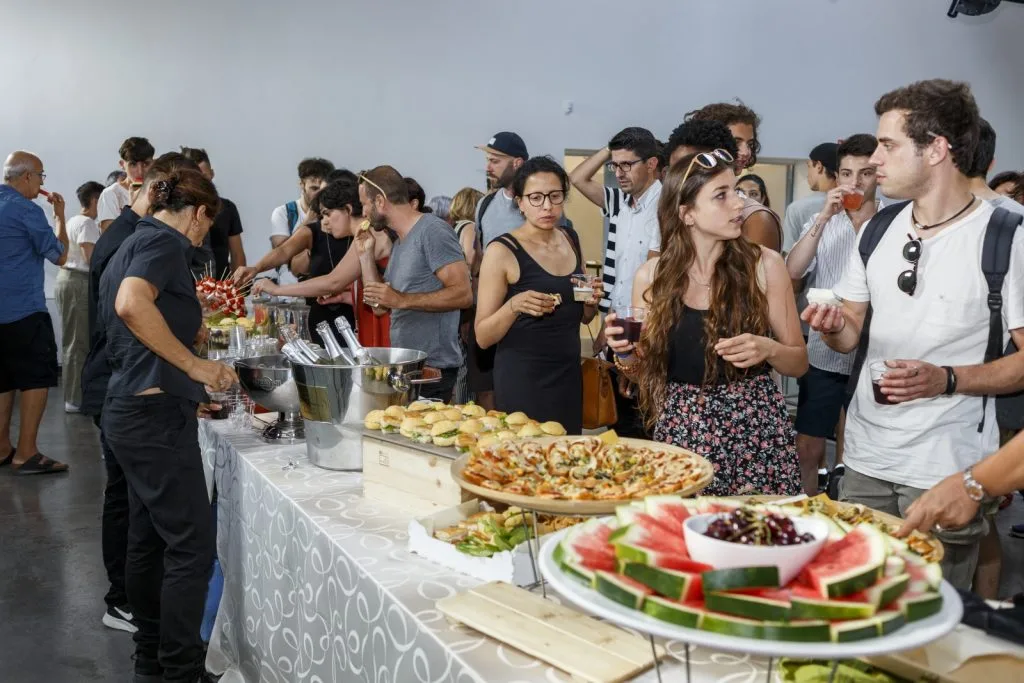
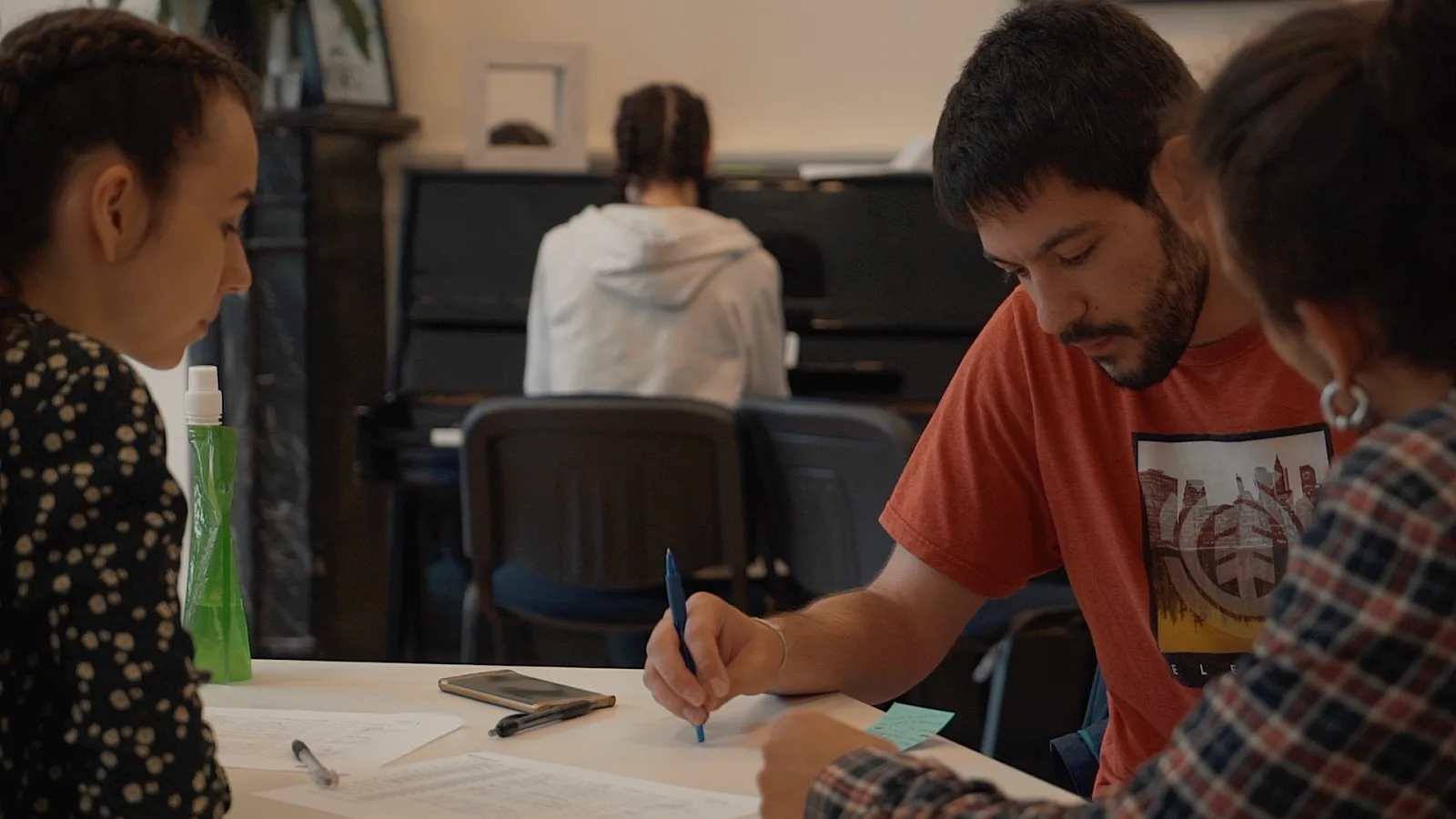
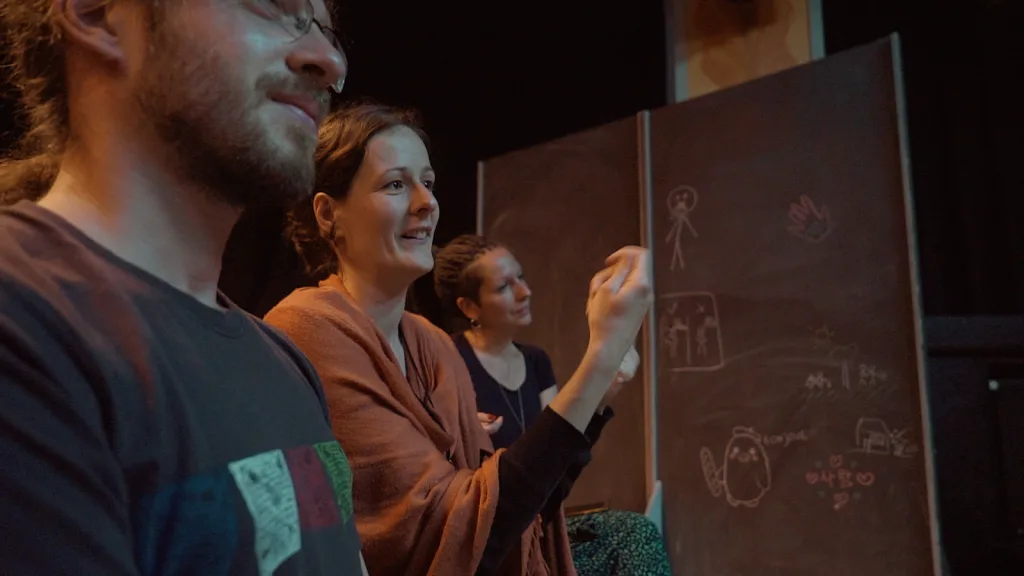
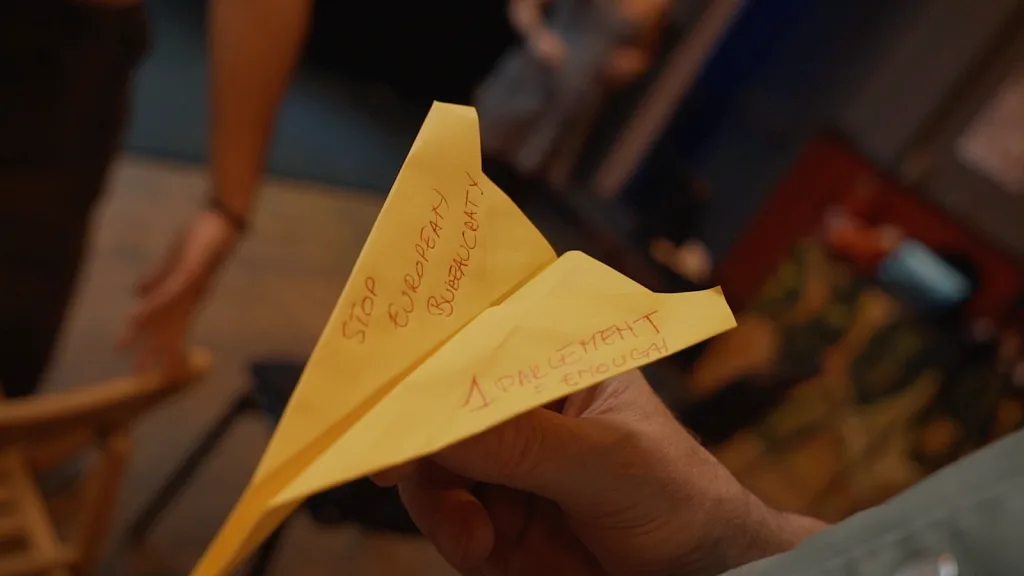
On the August, 11, 2019, in Orvelte, the Netherlands, a group of 37 people came together to discuss the future of the EU, youth challenges, and express themselves using stop-motion animation tools. The event involved 37 citizens, including 7 participants from the city of Orvelte, The Netherlands, 6 participants from the city of Rome, Italy, 6 participants from the city of Brussels, Belgium, 7 participants from the city of Warsaw, Poland, 6 participants from the city of Bucharest, Romania, 5 participants from the city of Riga, Latvia.
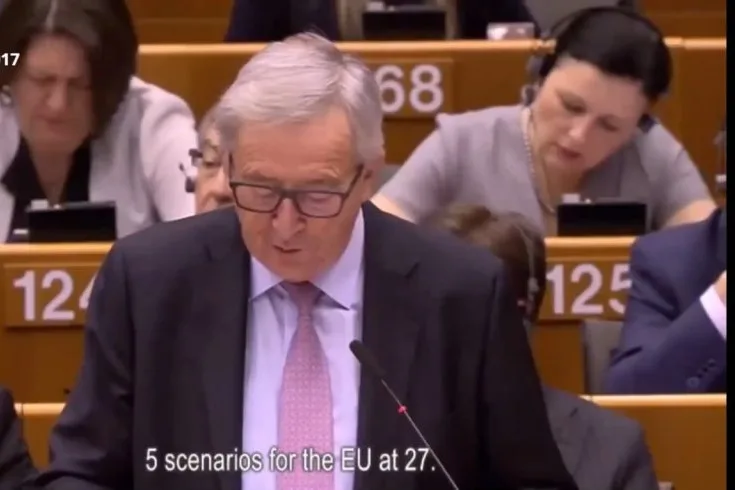
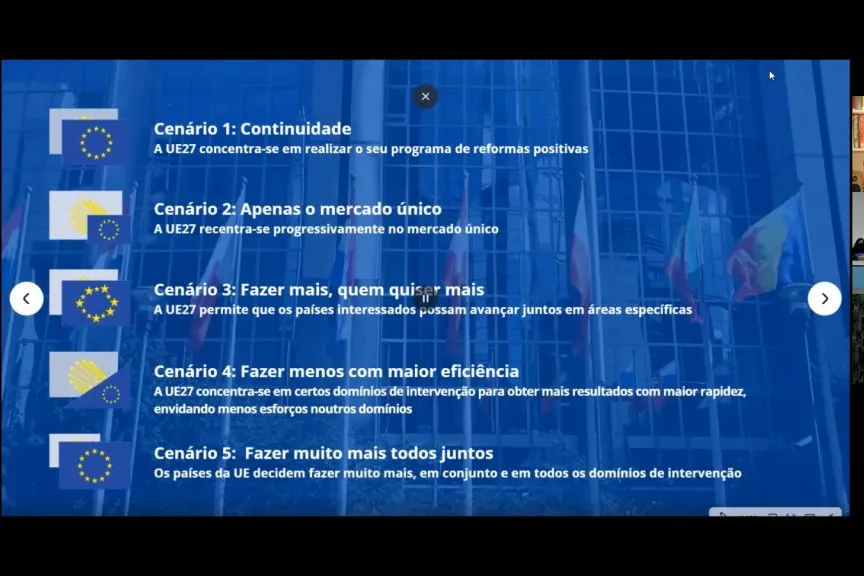
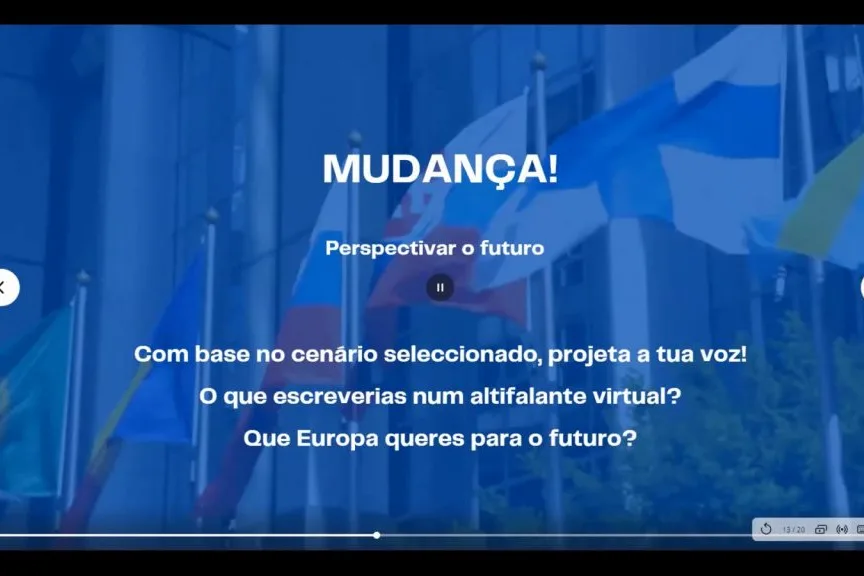
Having as reference points the 5 future scenarios put forward by the European Commission, the discussion was centered on the difference between East and Western Europe in terms of purchase power, economic systems, mindsets and opportunities. The group agreed that something has to be done to reduce the gaps that separate EU member states and after that, countries could work together from a more balanced power status to find the better alternatives to their challenges. Even if for some the last scenario – Doing much more together – was appealing, it seems that some preparatory work on develop the poorer countries from the East side of Europe should be done first.
“we believe that we cannot always solve our issues just by being alone, we need to share…”
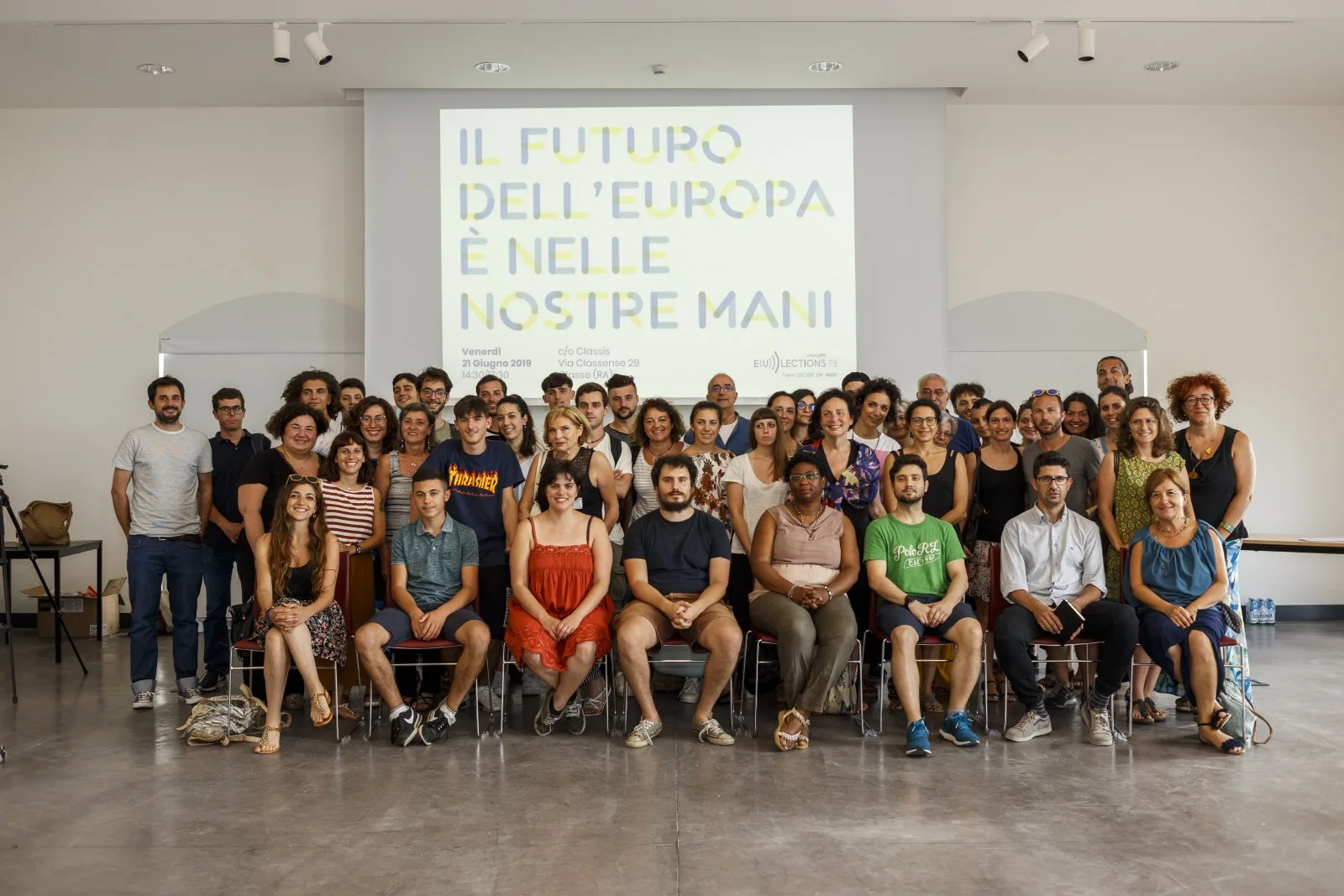
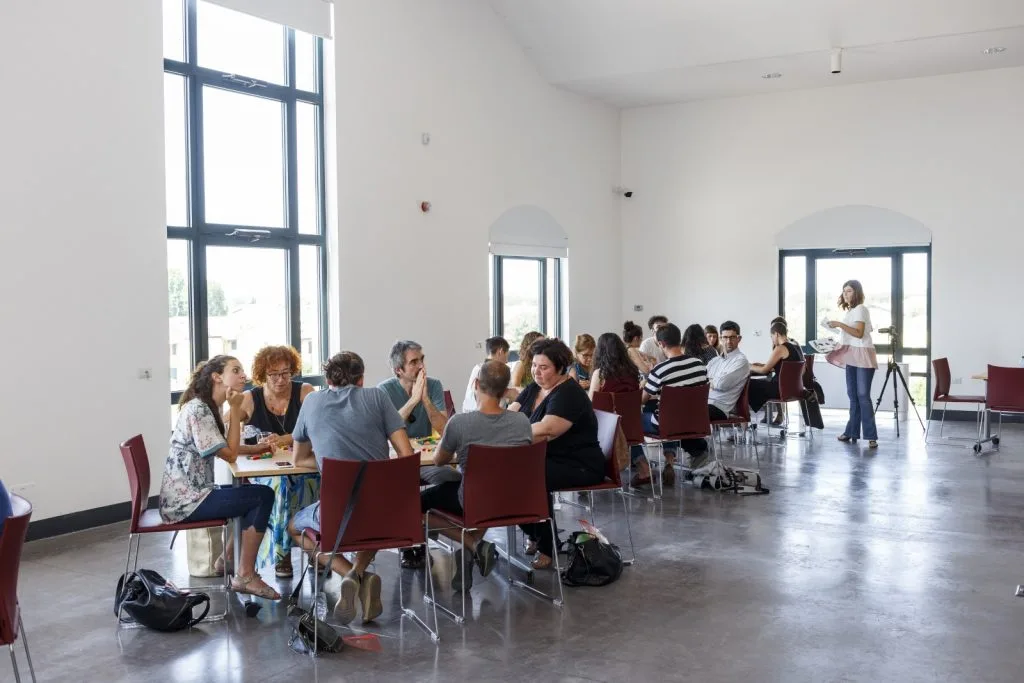
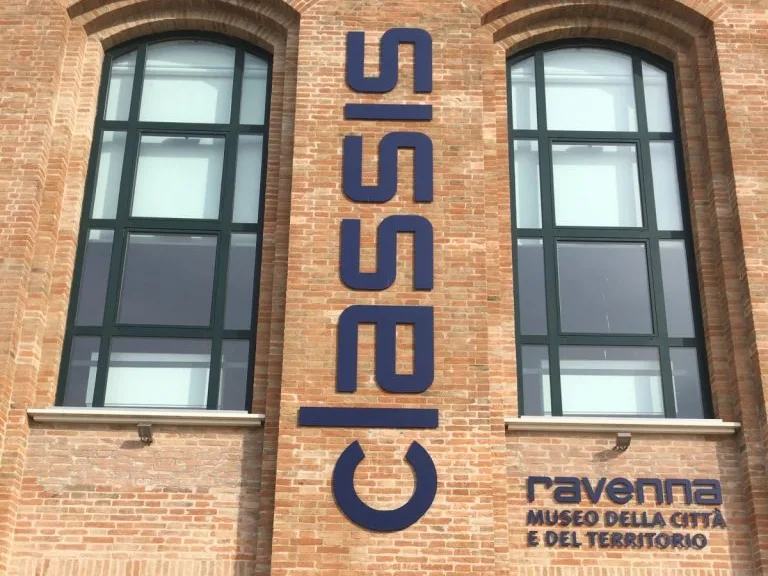
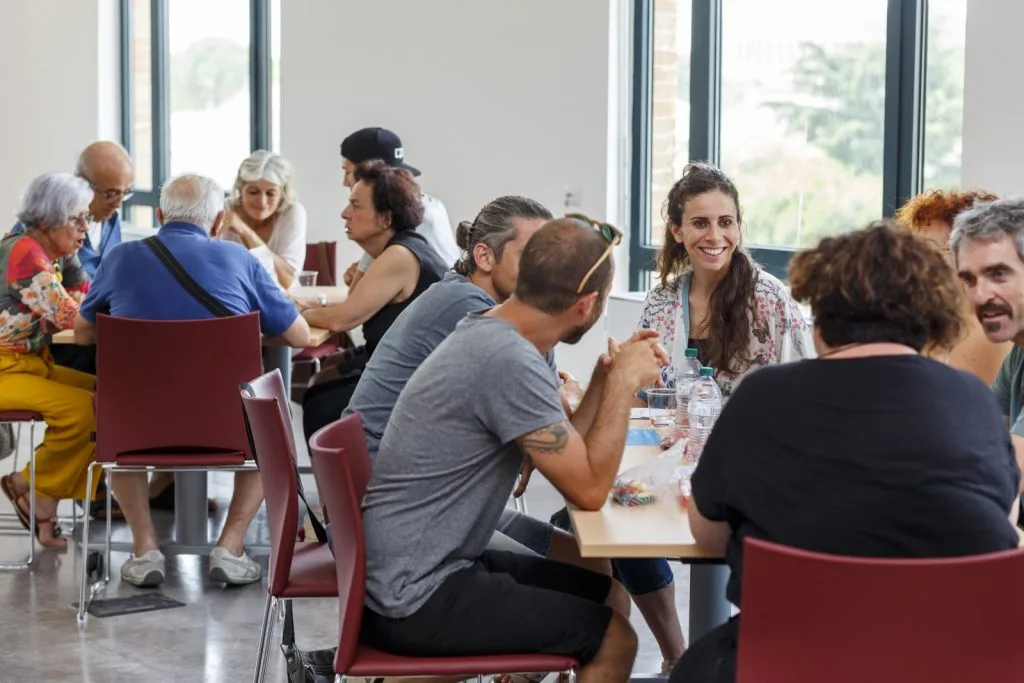
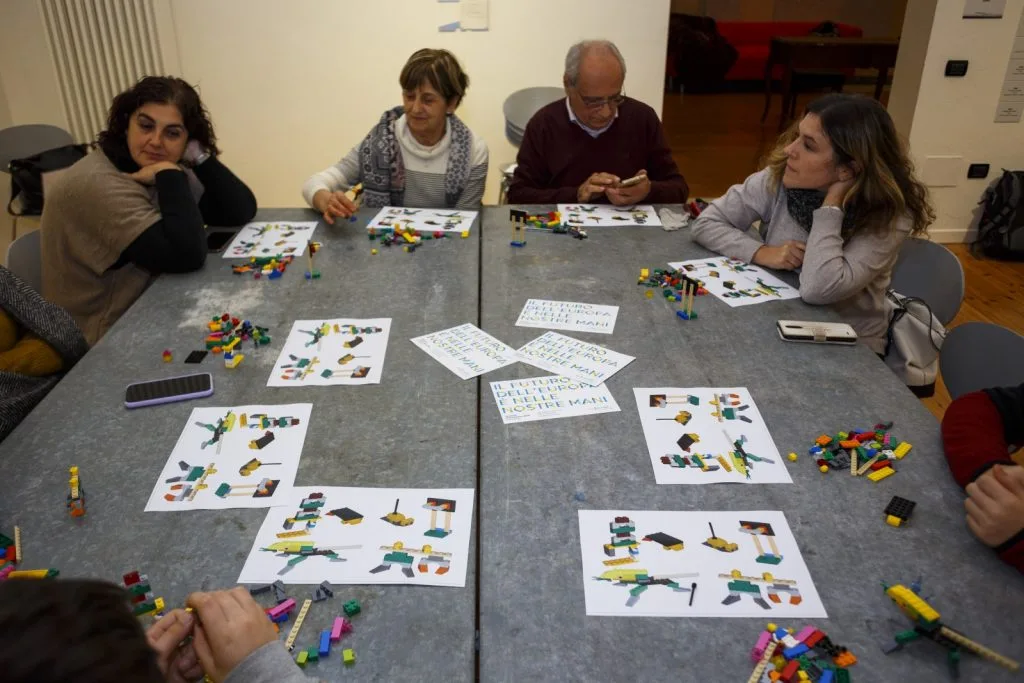
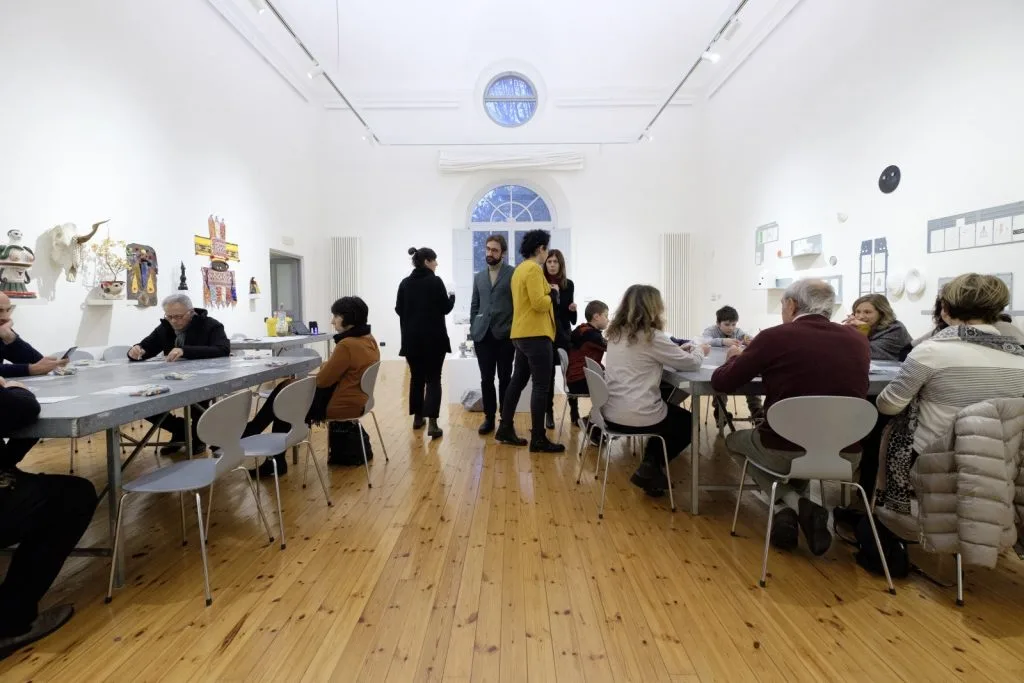
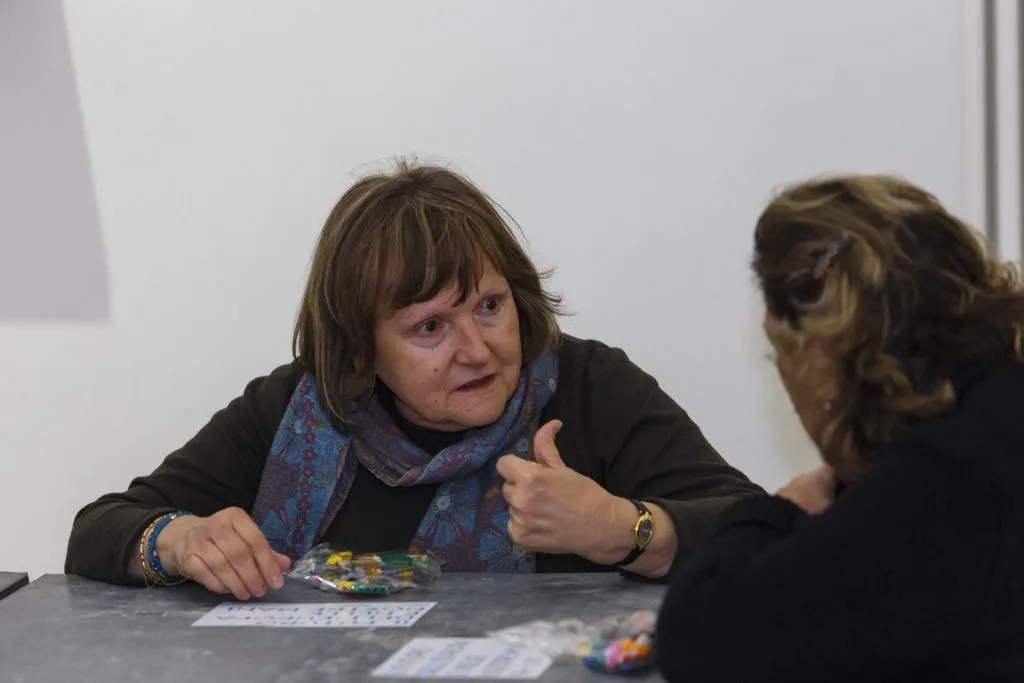
On 21st June, Fondazione Flaminia organized the second E(u)Lections´19 event held at the Open lab of Ravenna within the Classis Museo.
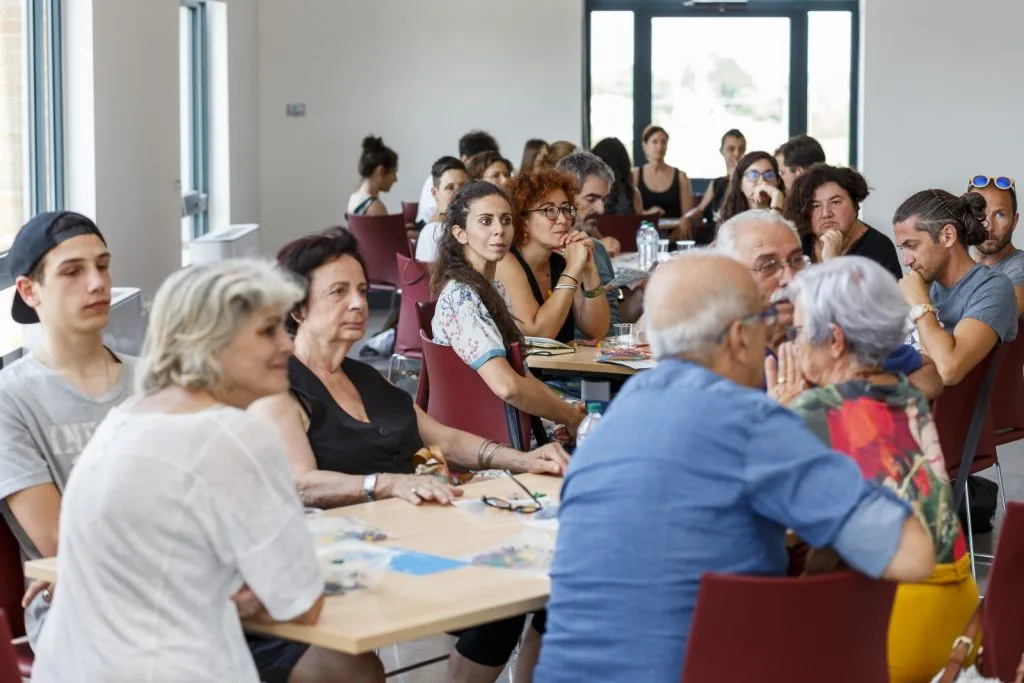
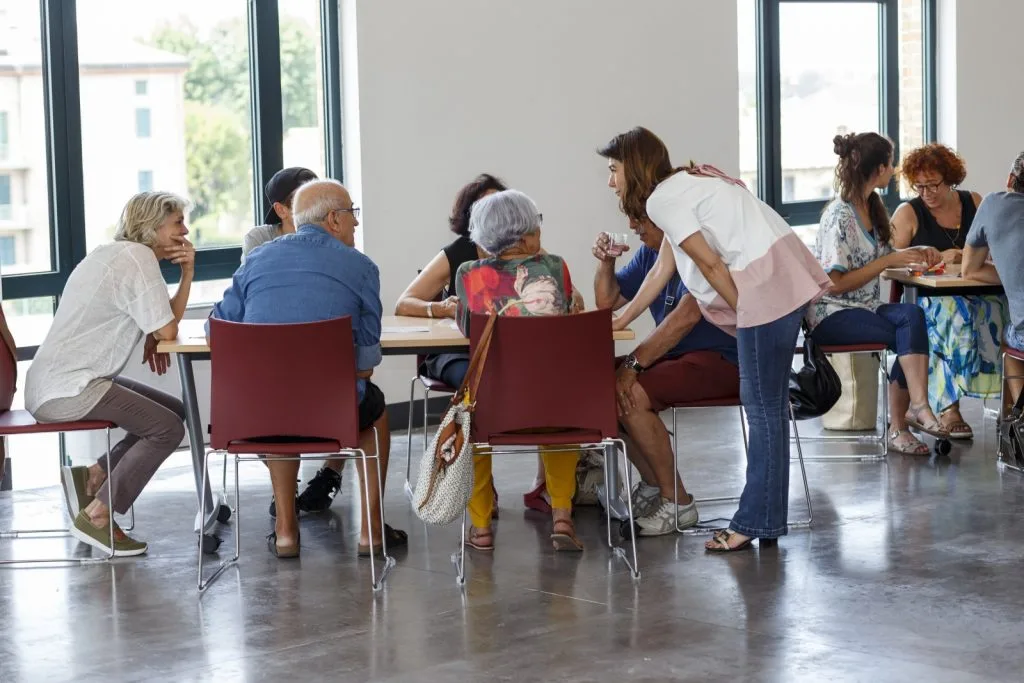
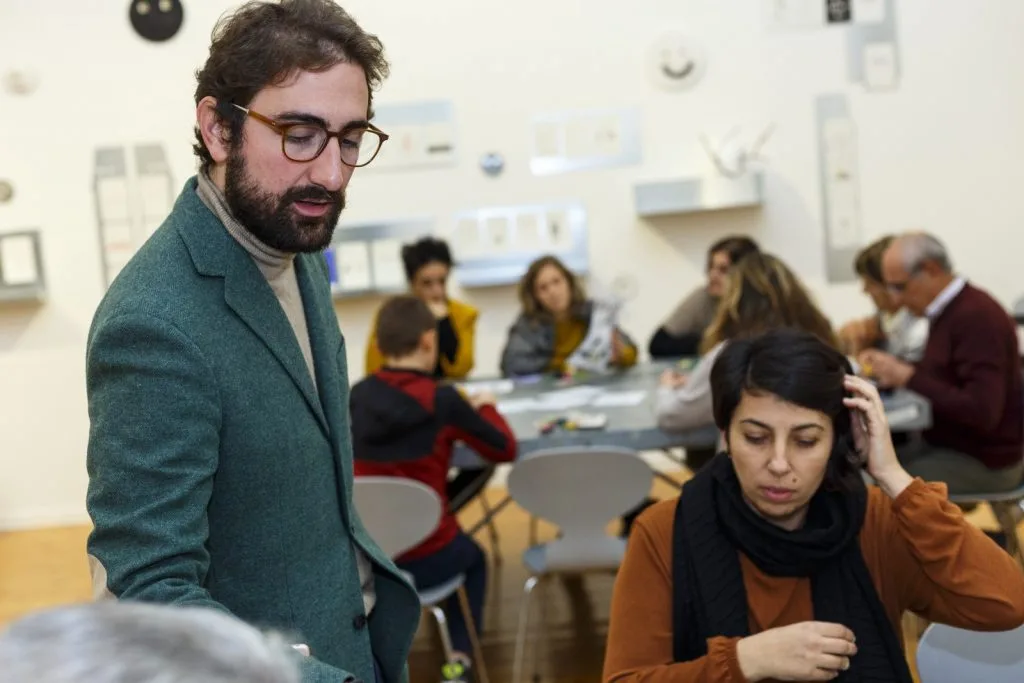
The event was open to every citizen of Ravenna city and we were able to involve 51 Italian participants, with ages ranging between 20 and 67 years old, in a multi-generational debate about the European Union’s present and future. Thanks to a diverse audience of participants in the Emilia-Romagna events tour, we will have the opportunity to collect diverse suggestions for the future of Europe 2025.
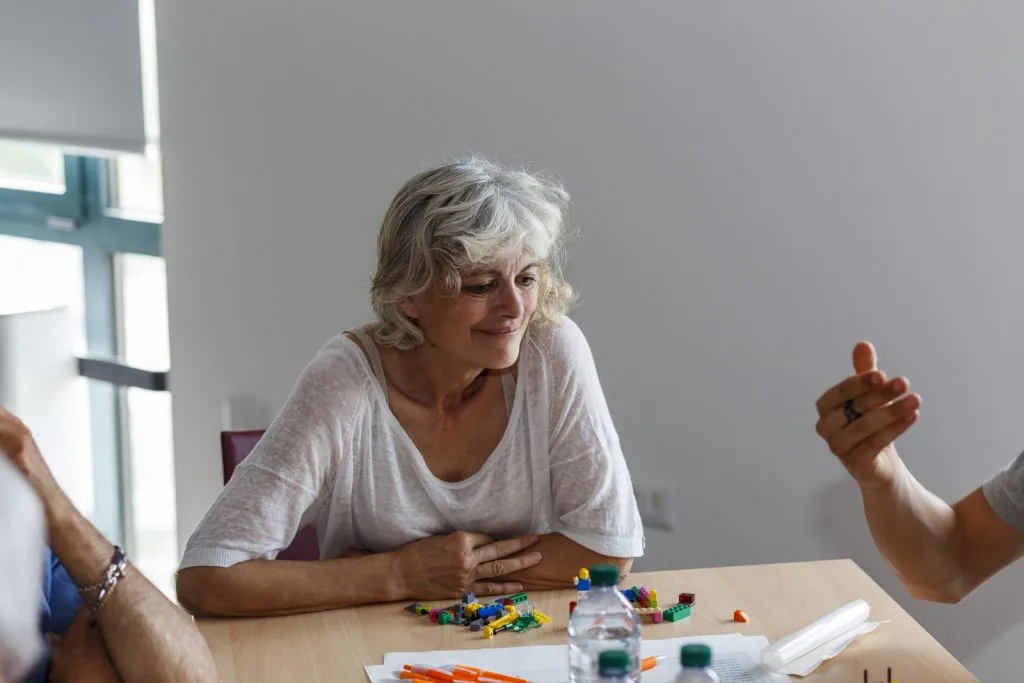
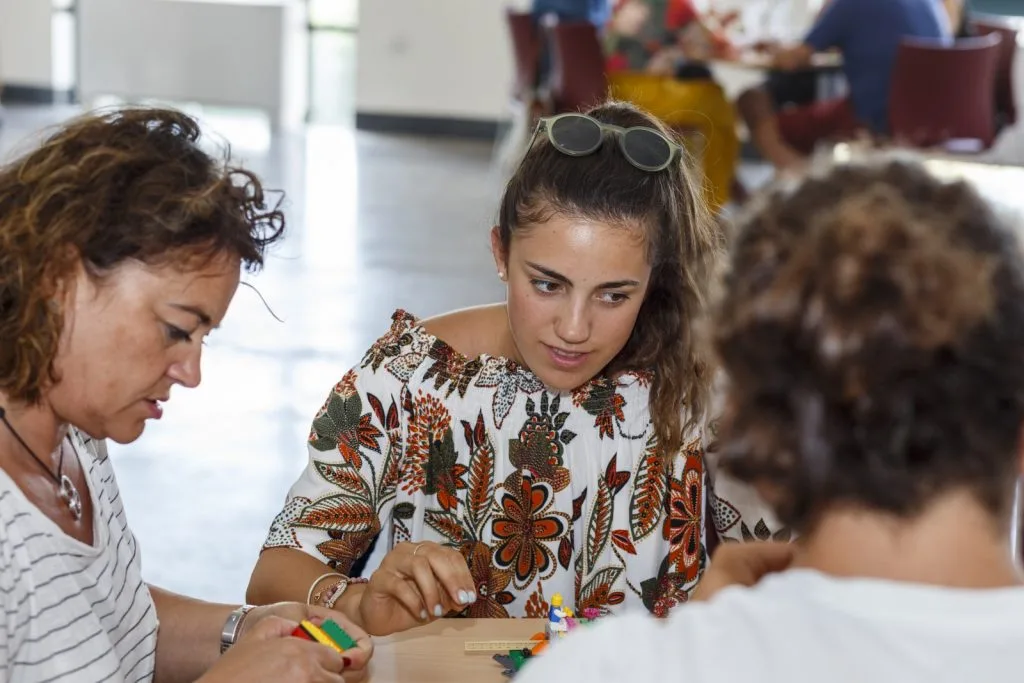
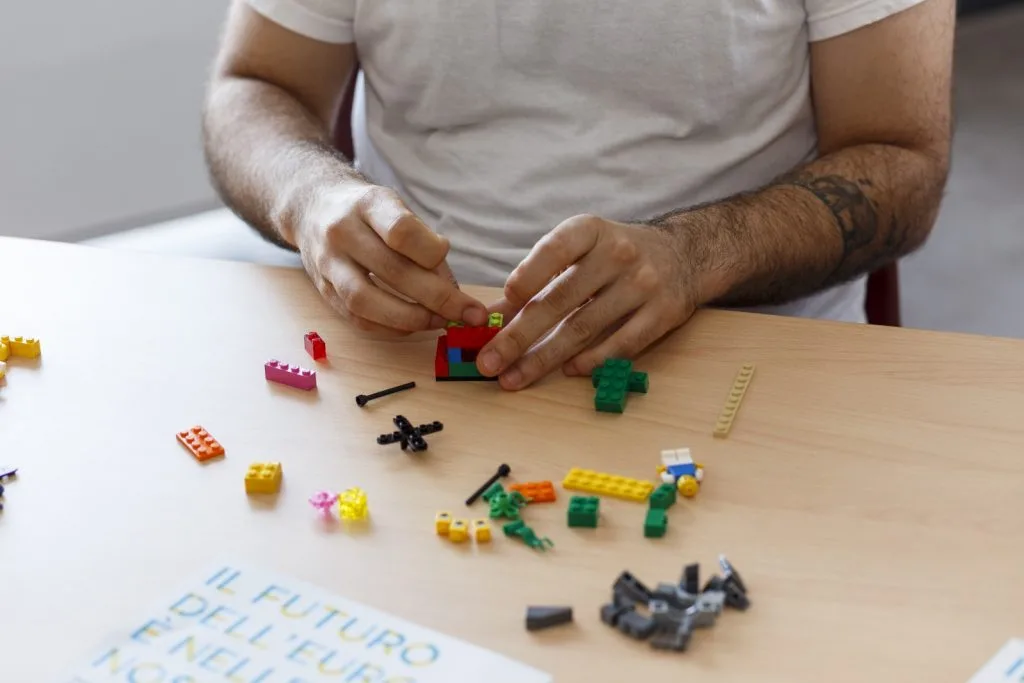
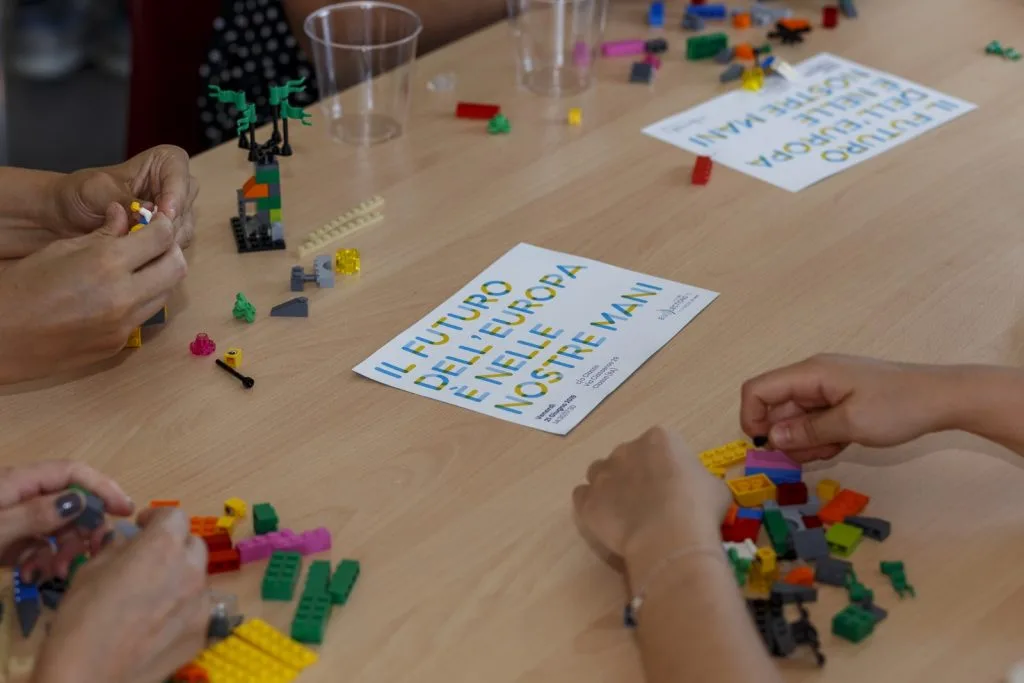
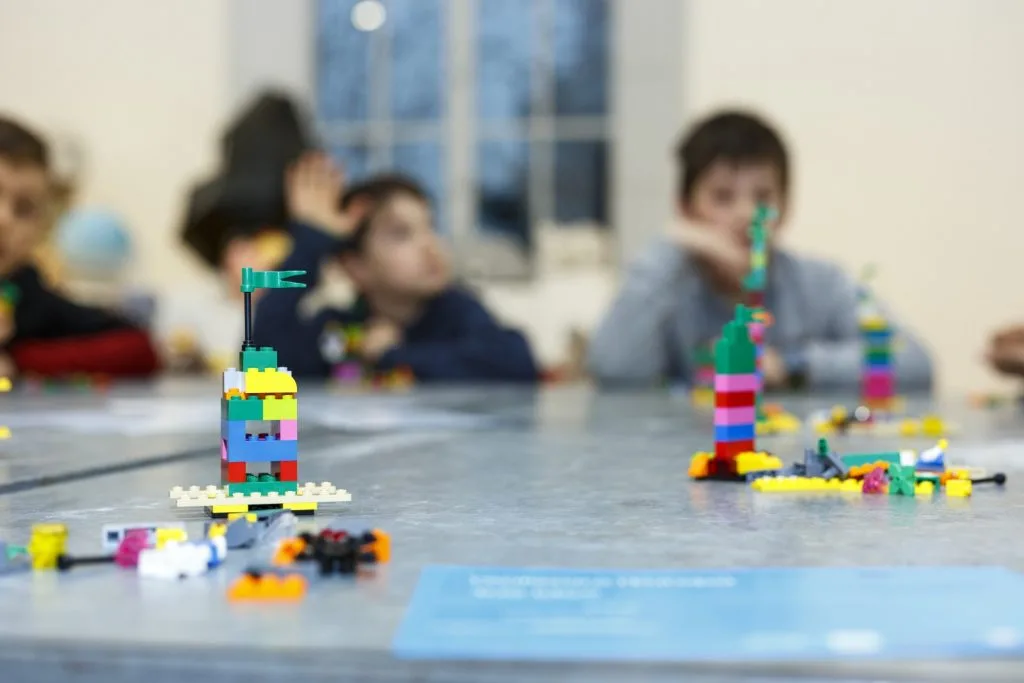
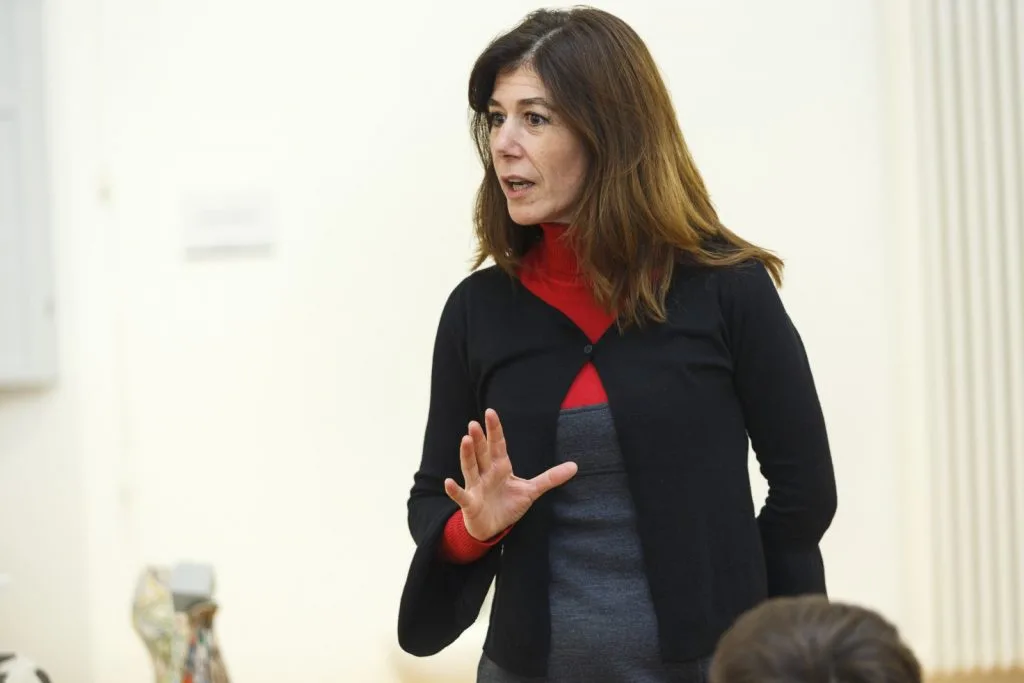
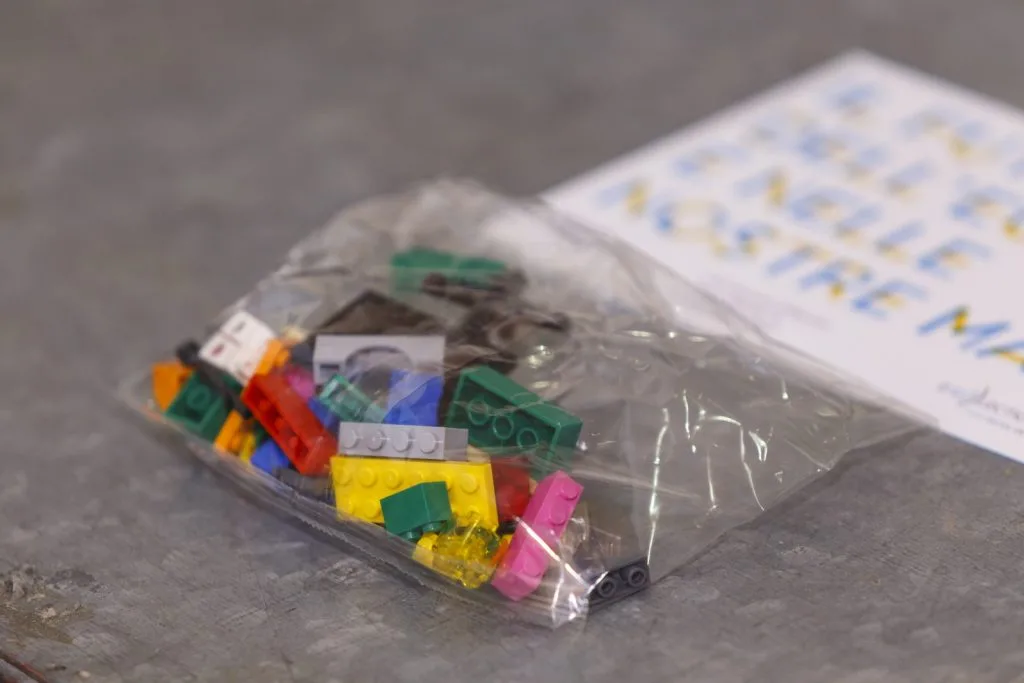
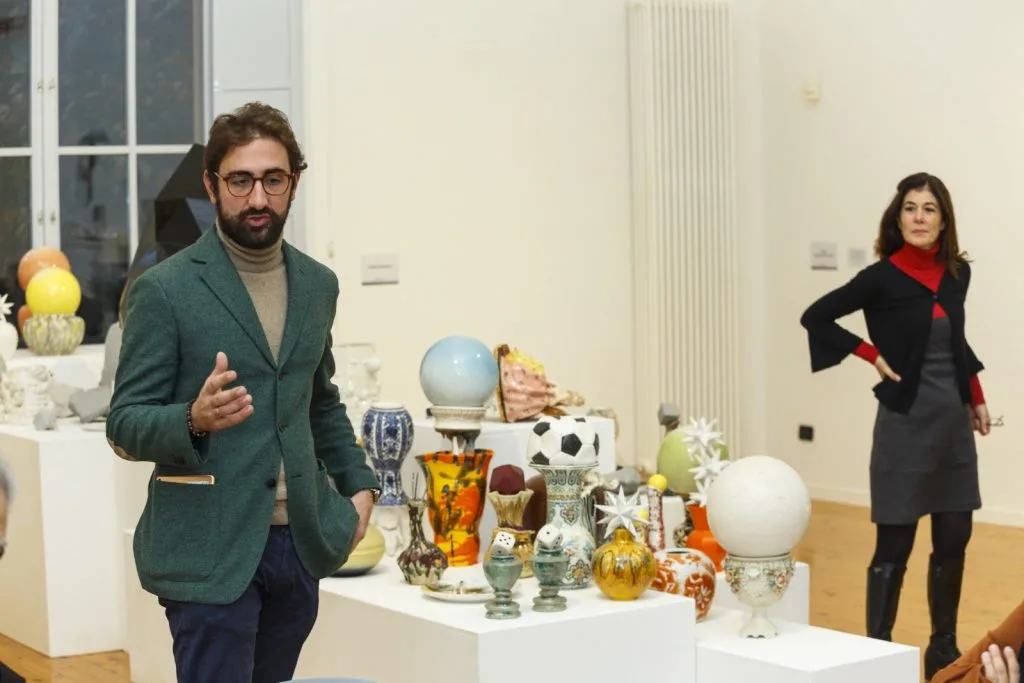
The workshop started with an introduction about of the project aims and the methodology of Lego Serious Play methods provided by the trainers.
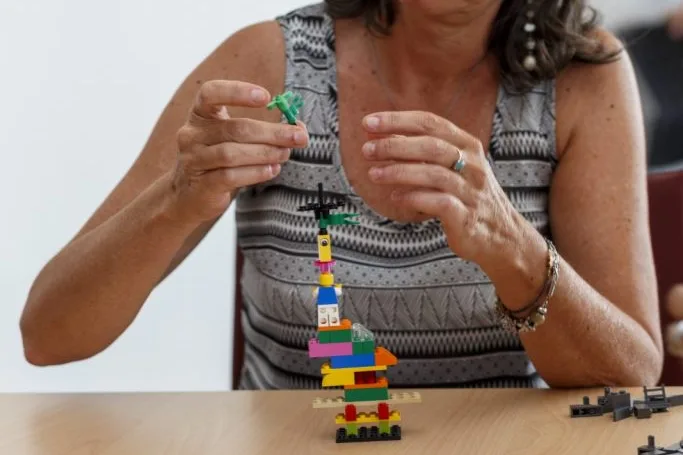
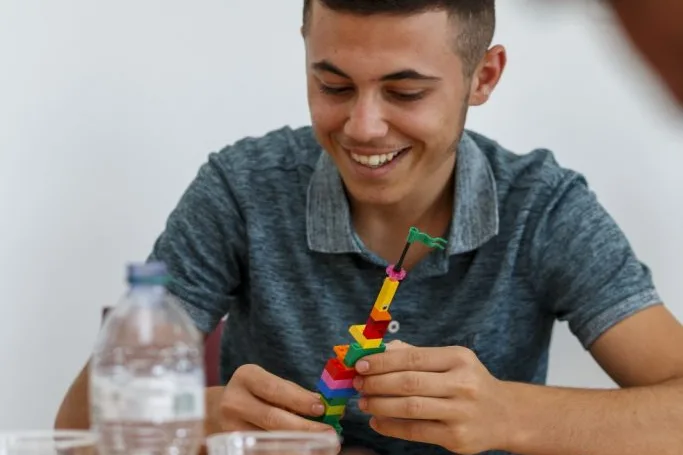
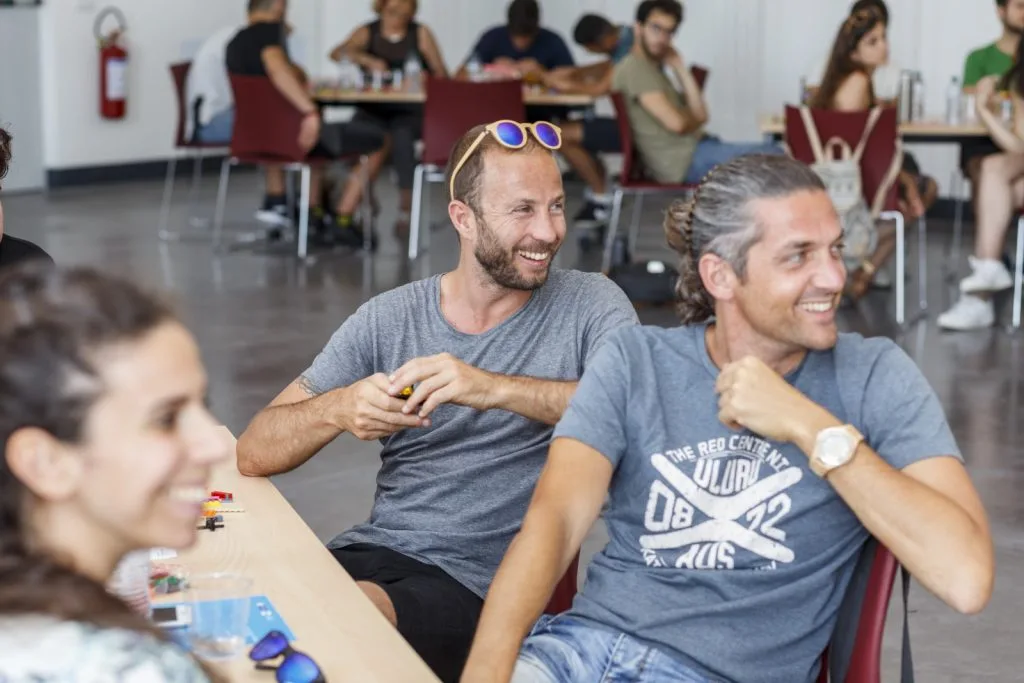
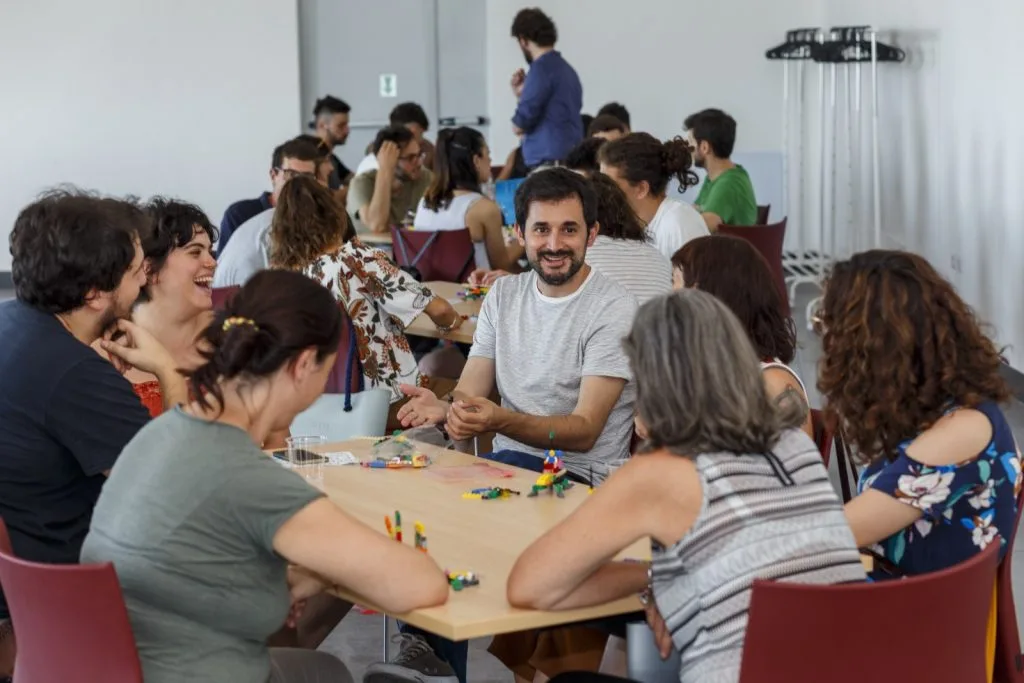
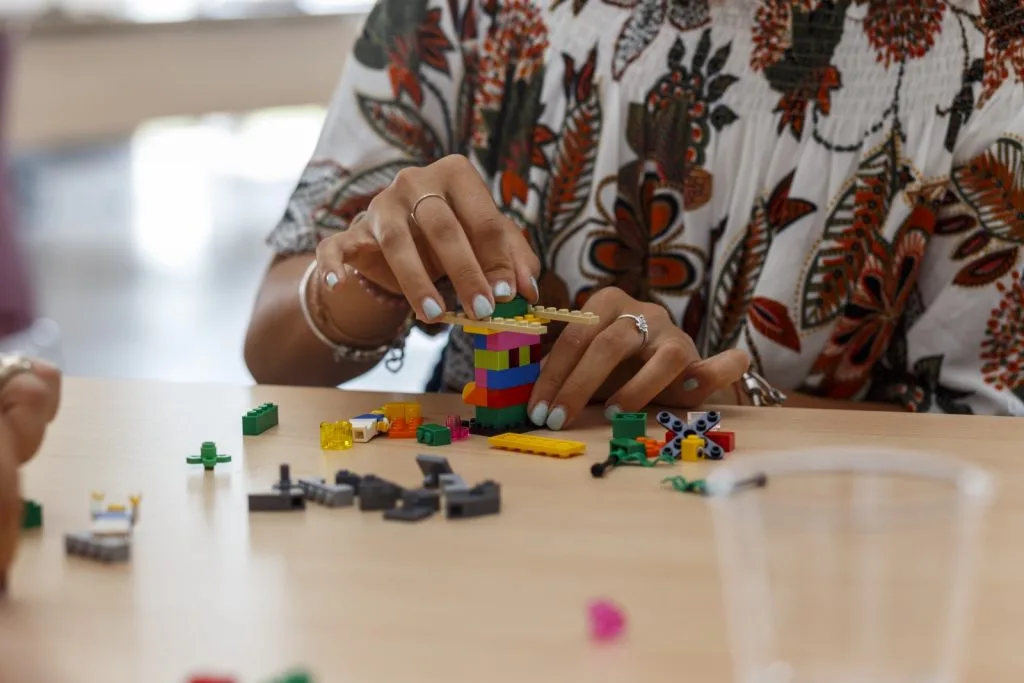
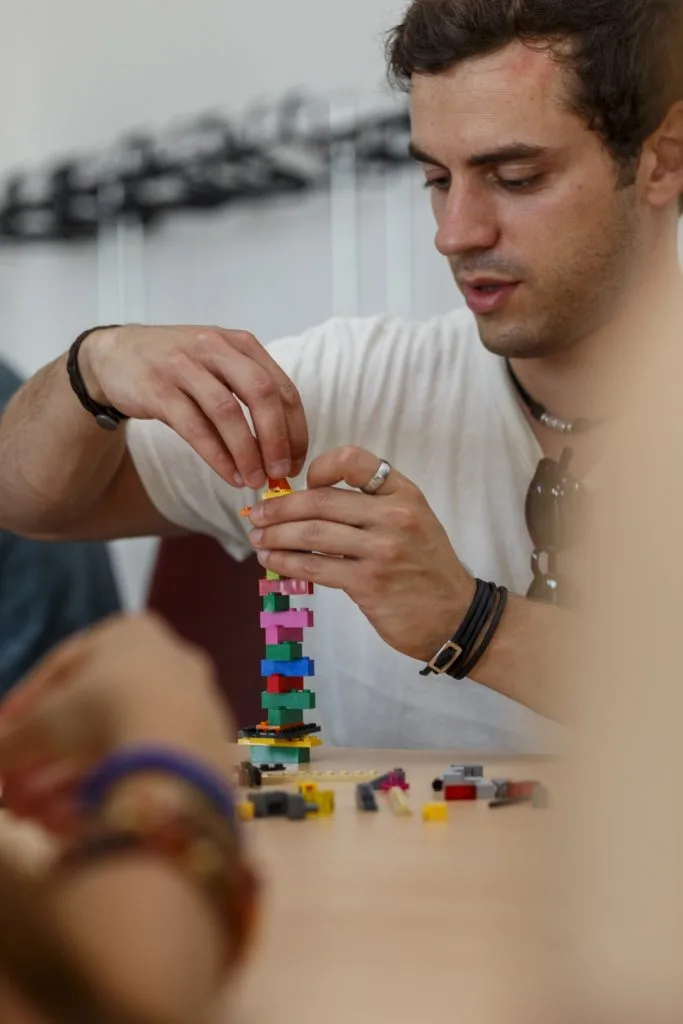
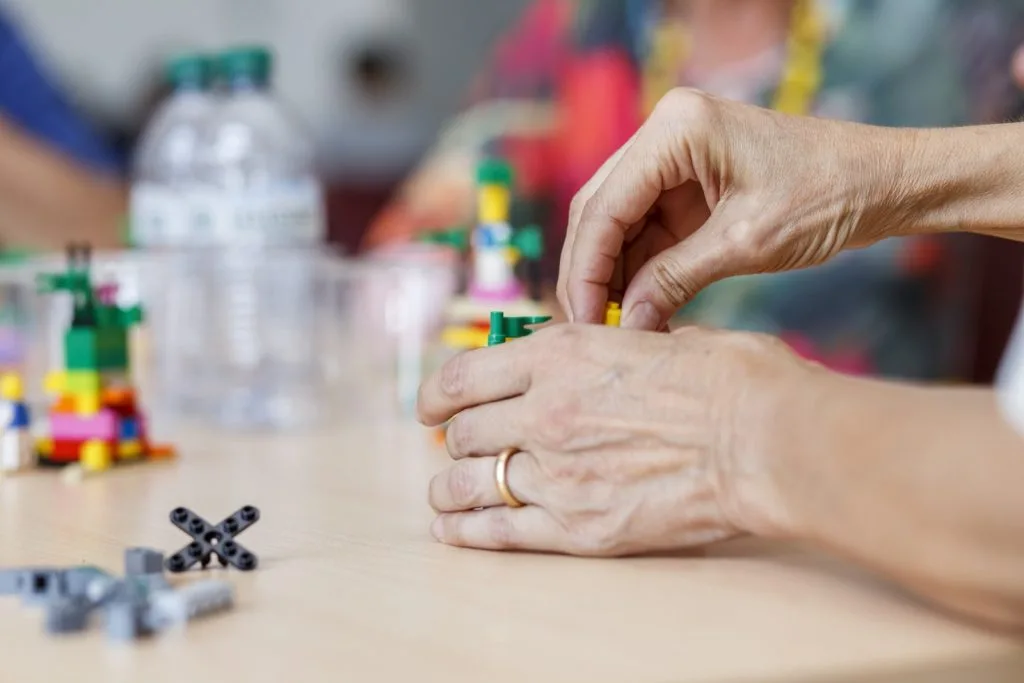
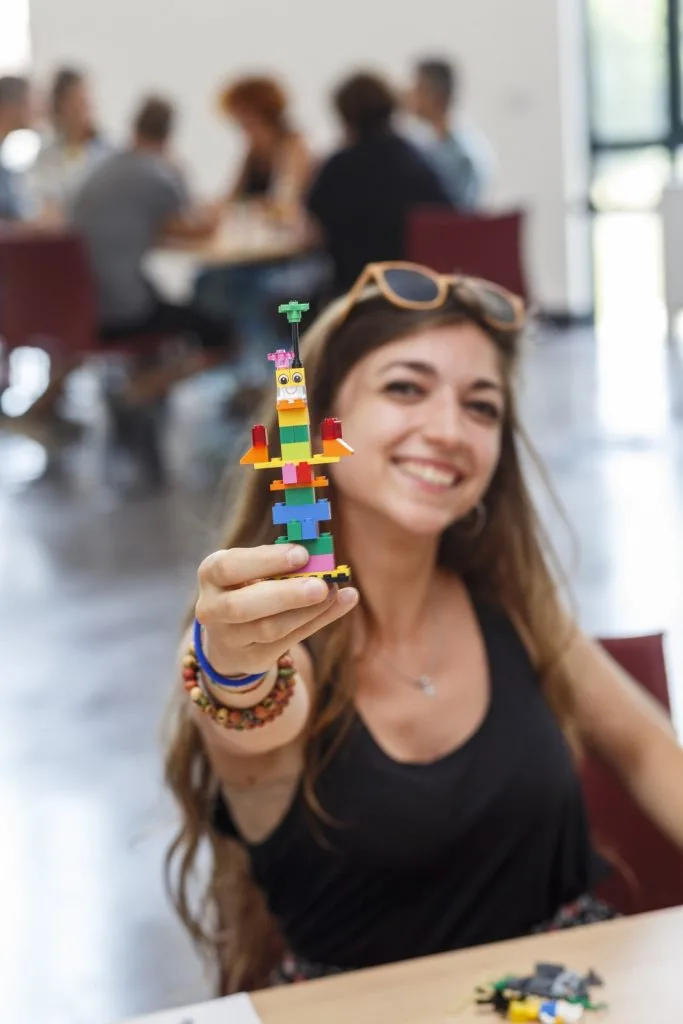
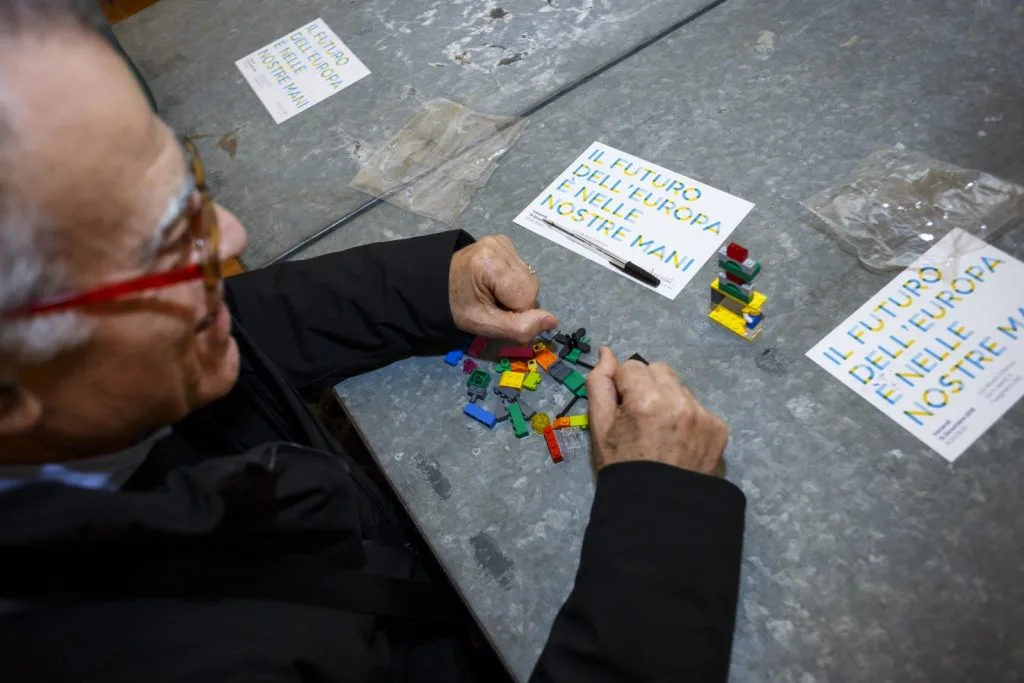
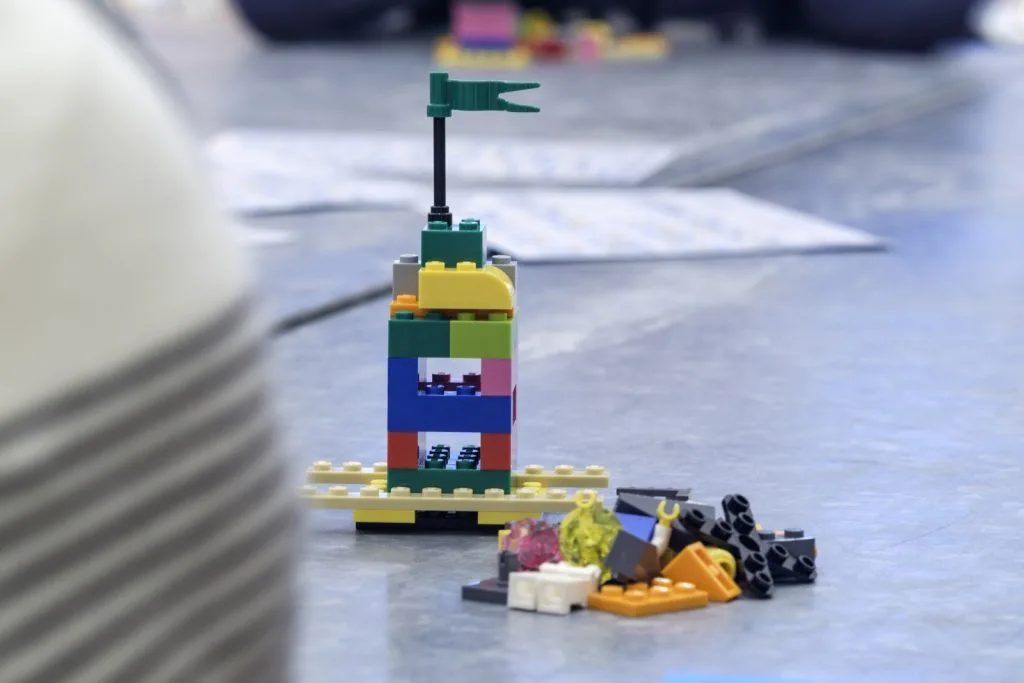
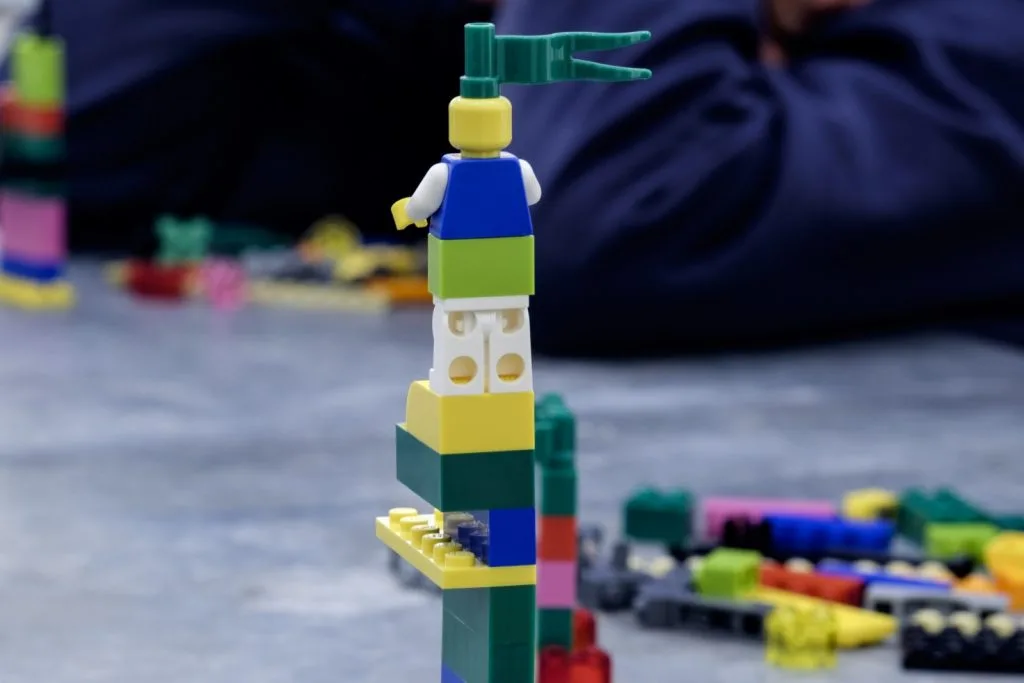
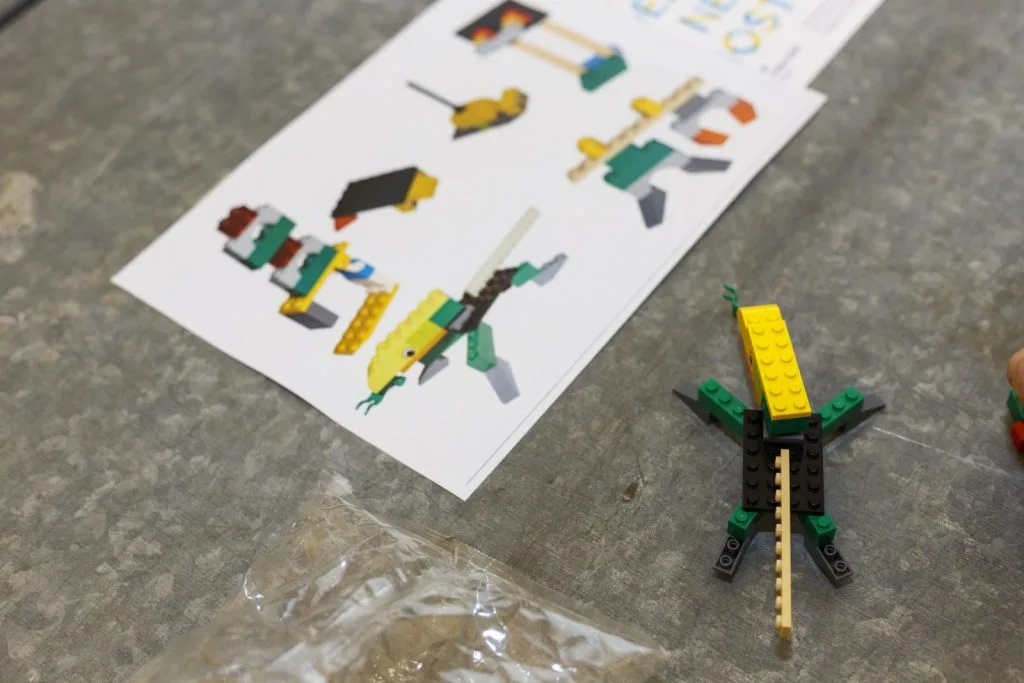
Subsequently, we started with games and activities designed to make people more accustomed to Lego pieces and, in some way, light on the creativity in each one, so that it became more simple to pass to concrete concepts to 3D constructions later on. In this part of the introduction to the game of Lego Serious Play, the trainers asked, in first place, participants to close their eyes and think to a wished super power. Than, they asked to create their own super power with LEGO.
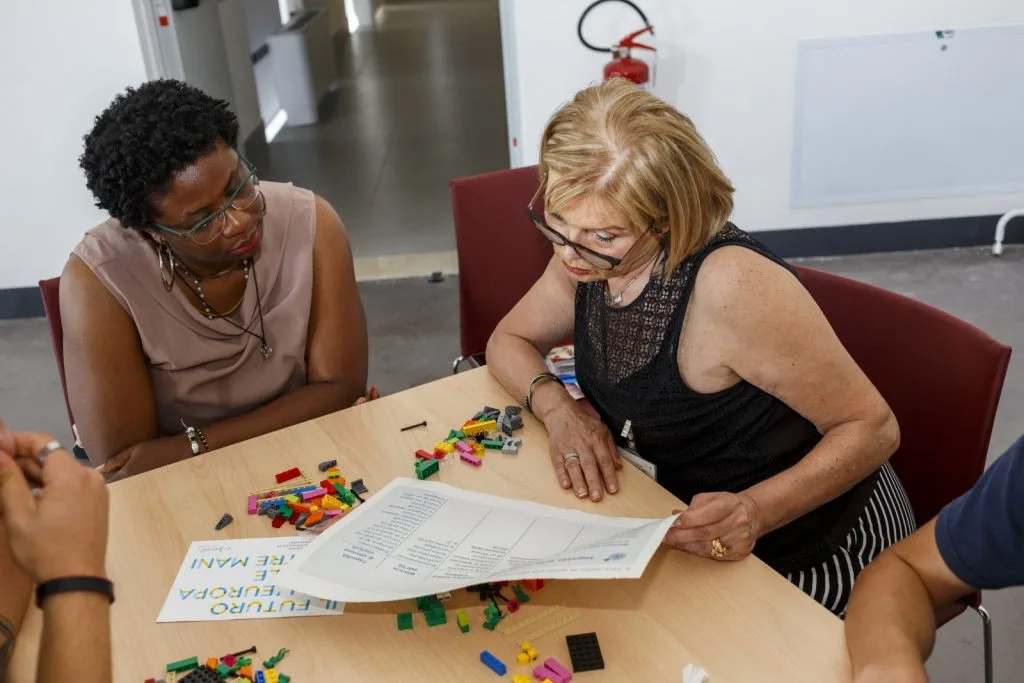
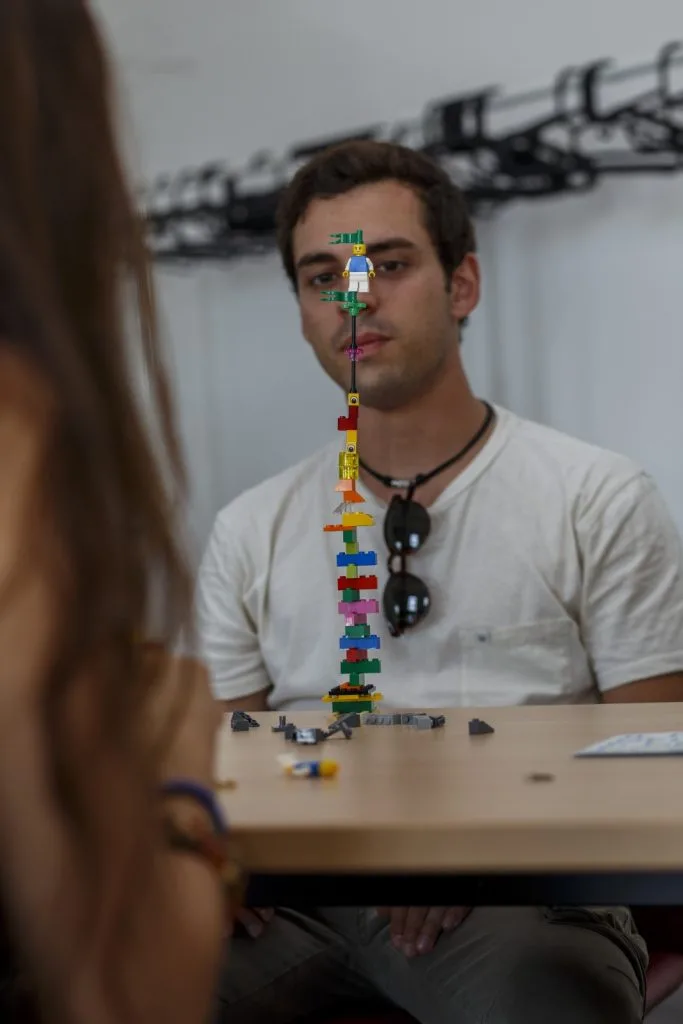
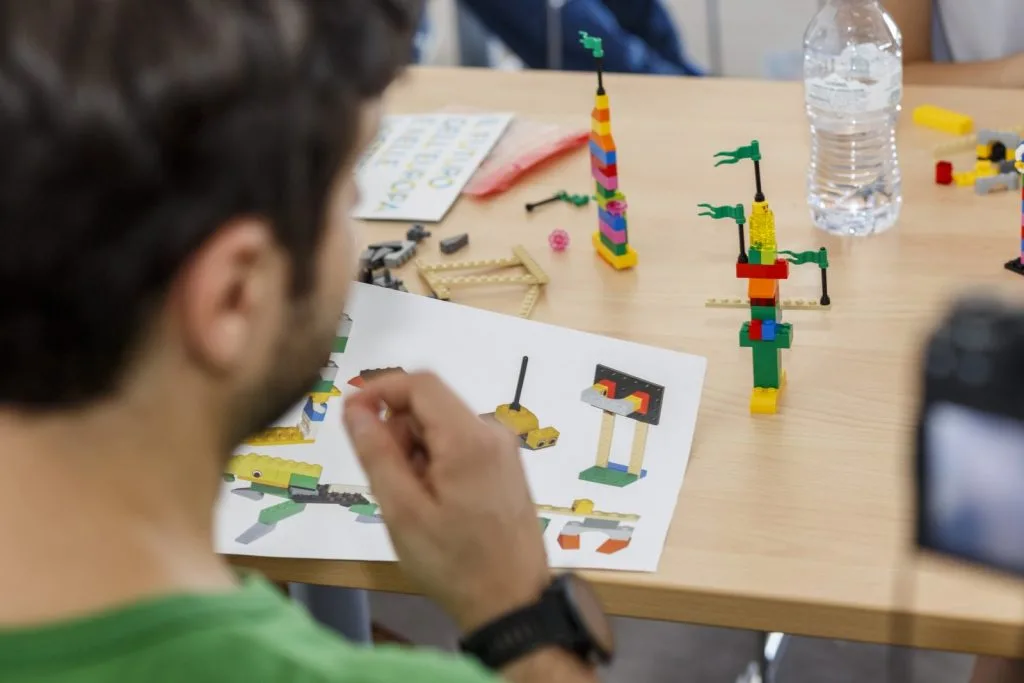
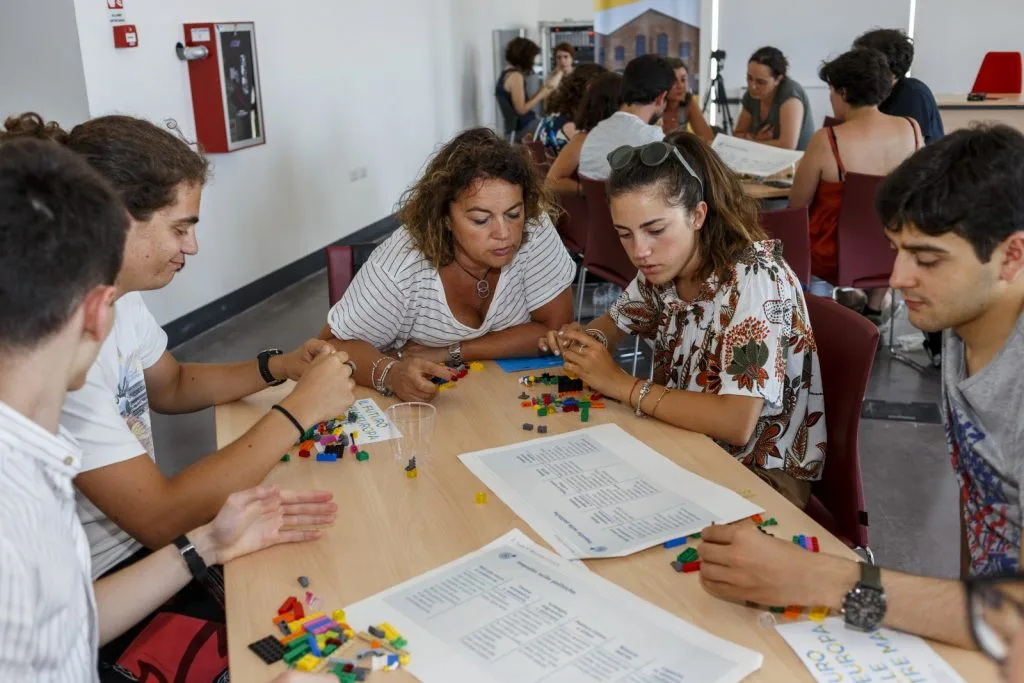
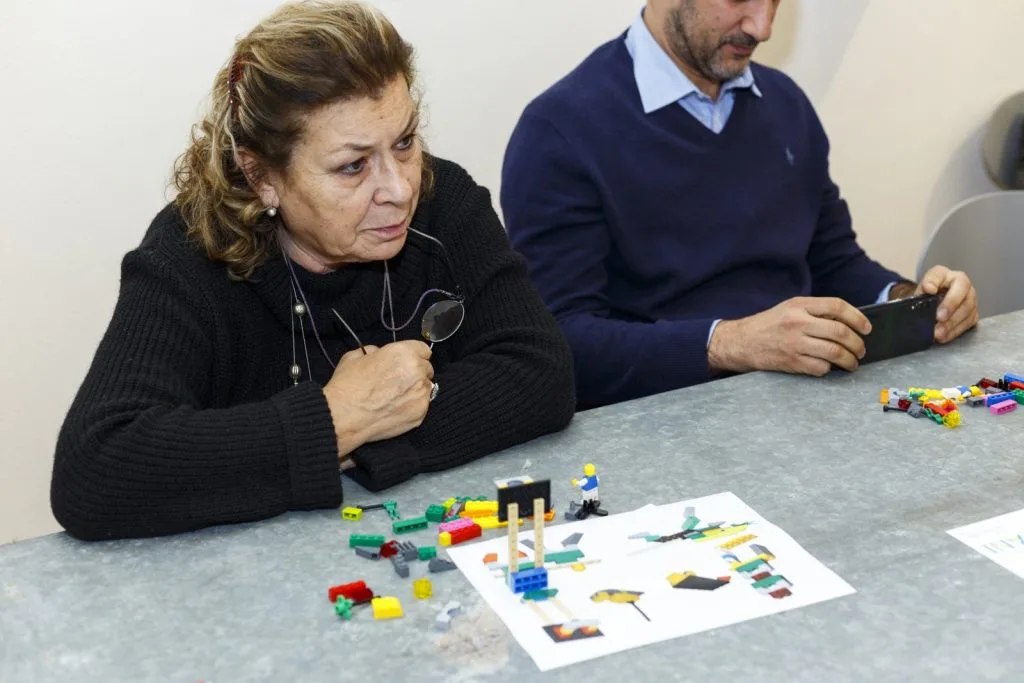
After the participants have gained more confidence with the methods we moved on to the E(u)lections ’19 project aims and we used the same approach one of the 5 possible scenarios of the White Paper on the future of Europe. Each group worked on one of the five scenarios, giving a 3D shape to their opinion and suggestions.
At the end of each new construction, each participant had 2 minutes to explain to the group personal thoughts, doubts and suggestions about the scenario. This stage of the 5 scenarios was very curious because the groups were heterogeneous by gender and age, so we collected diverse points of view.
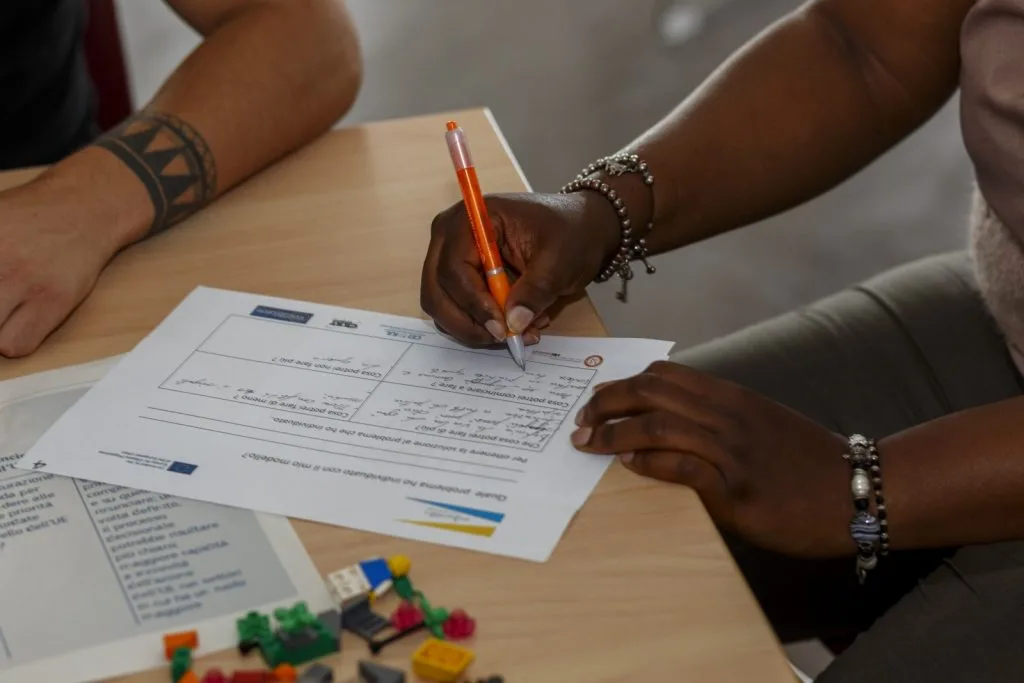
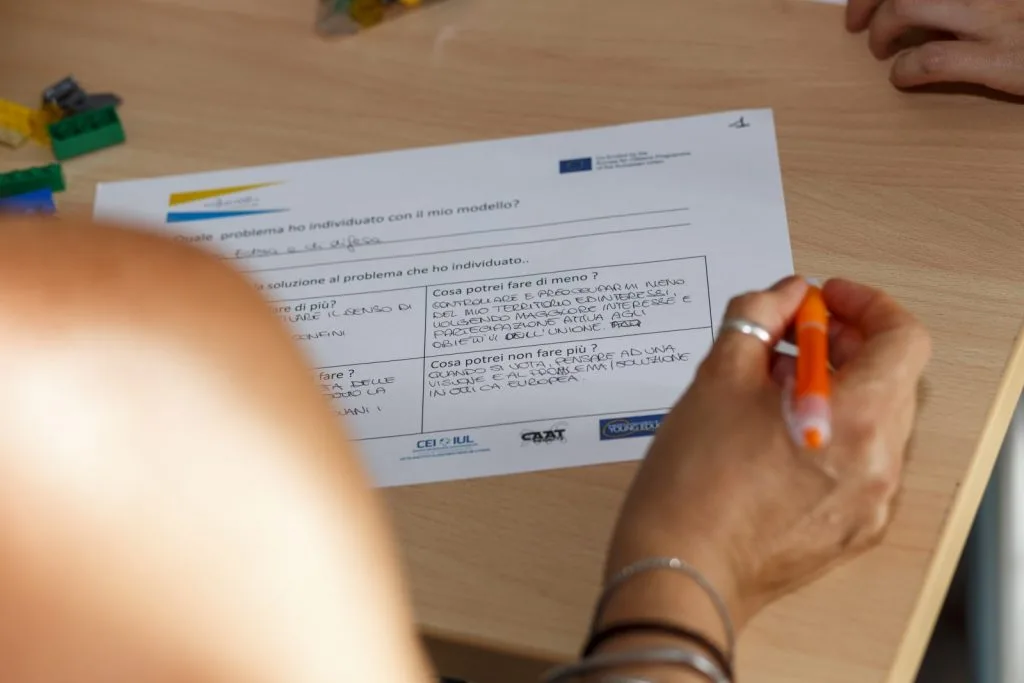
At the end of the activity, they wrote a summary of the experience and completed a questionnaire to collect key messages for the solutions for the main problems identified.
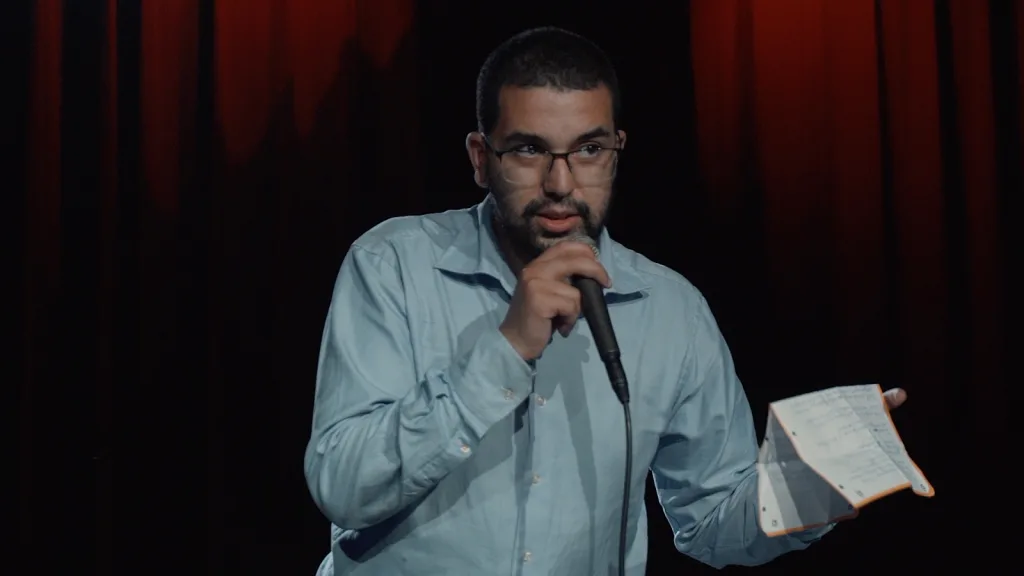
On the July, 6, 2019, in the theatre Formaat, in Rotterdam, a group of people came together for the “Raise Your Voice Festival”. The festival was organized by Stichting CAAT Projects in collaboration with Stichting Formaat Wekplaats voor Participatierf Drama.
The event involved 53 citizens, including 23 participants from the city of Rotterdam, The Netherlands, 1 participant from the city of Budapest, Hungary, 8 participants from the city of Lisbon, Portugal, 6 participants from the city of Brussels, Belgium, 7 participants from the city of Warsaw, Poland, 6 participants from the city of Athens, Greece, 1 participant from the city of Bucharest, Romania, 1 participant from the city of Skopje, North Macedonia.
The artistic acts were previously prepared by a group of 30 young people and then presented to the wider group. They were challenged with that task and even if most of them were not artists themselves, they worked together to plan a 2 hours act with poetry, dance and music.
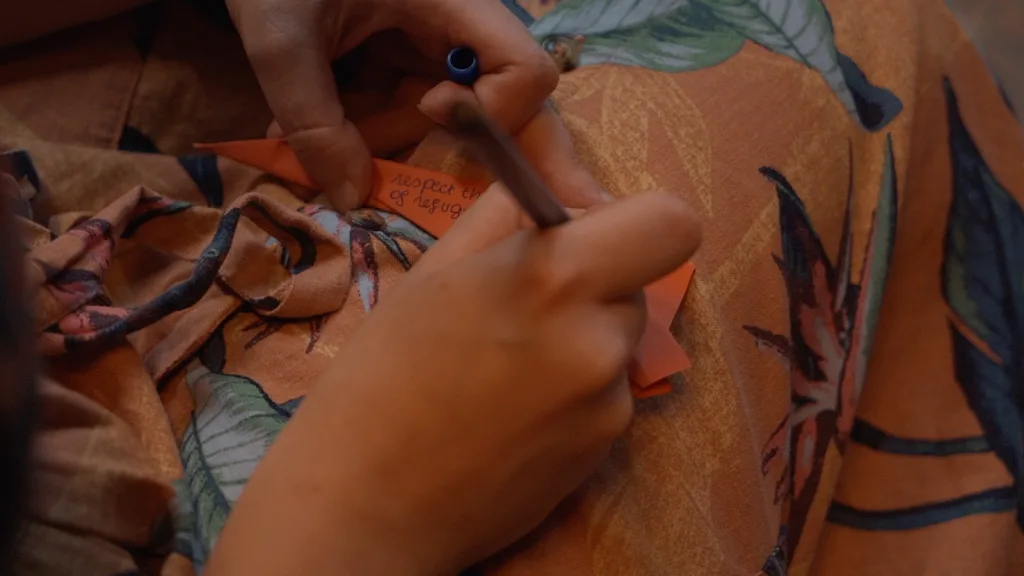
In preparation to the festival we have talked about possible issues that young people are facing in their local setting. The main problems identified by the young people, that were common to their countries, were the following: women’s rights, minorities ‘rights, integration of refugees, discrimination, medical and educational staff are not prepared to deal with the ones that have issues, pressure from the society to hide/suppress your feelings and emotions, a post-colonialist mindset that was preserved in Europe, to have easy access to healthy food and the lack of psychological support in mental hospitals and school.
We also need to set an example and to promote the type of society that we want to see. So the European Union and the National politicians should provide the resources needed, but then it has to be each one of us the agent of change.
When the group analysed the 5 scenarios of the White Paper on the Future of Europe, they immediately refuse the scenery to continue as it is or to focus on the single market. In general, their idea is that the politics in Europe and in each national country is way to focus on the economic interests and that is why they neglect the minorities and their rights. Thus, the only scenery that would be desirable for an united Europe was the last one, “Doing much more together”.
After this discussion and when the group was deciding for the collective message to be send to the European Parliament, they reach the conclusion that we cannot just seat and wait for the politicians to solve their challenges.
For the group the priority was to look to people as lives full of potential and not as numbers.
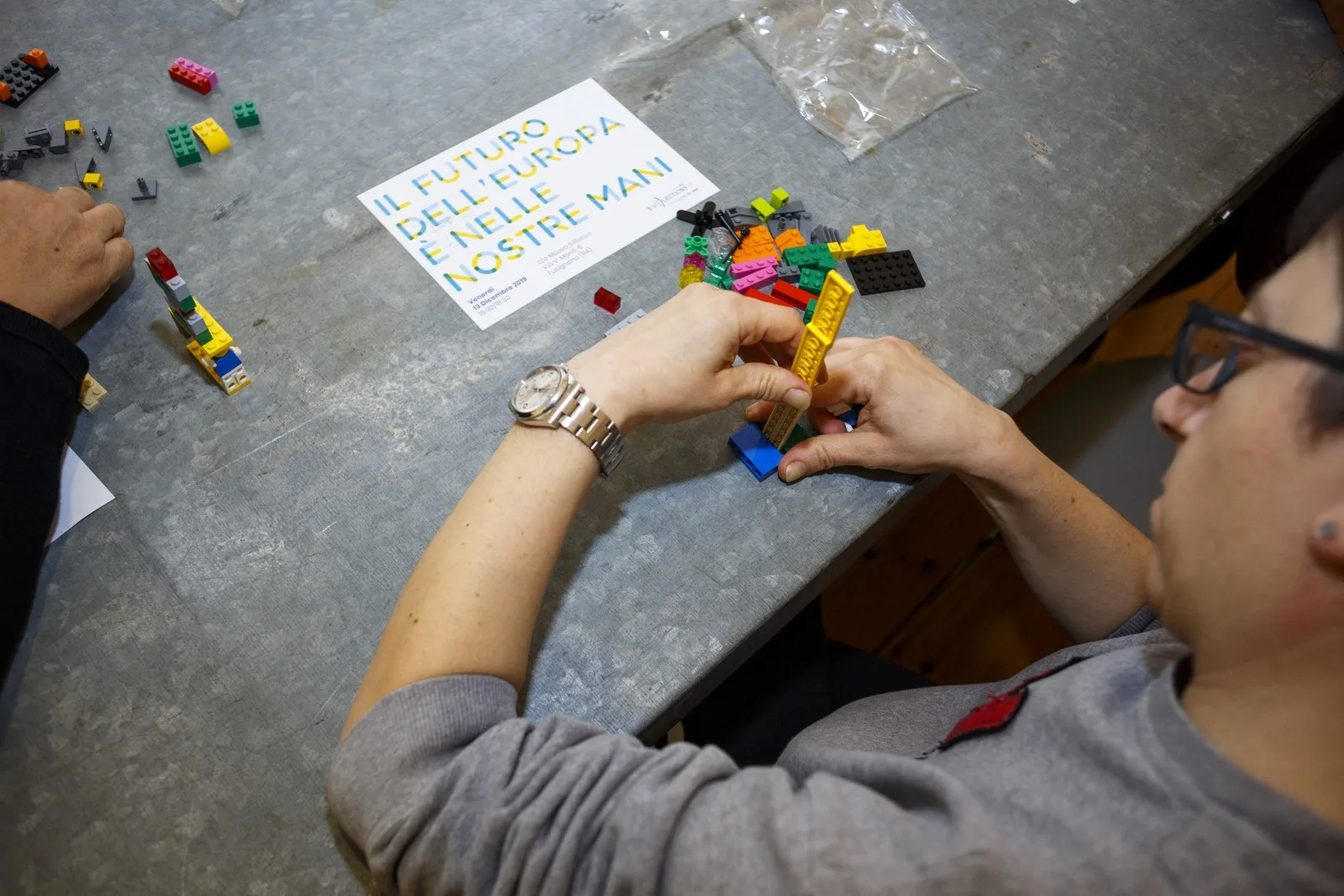
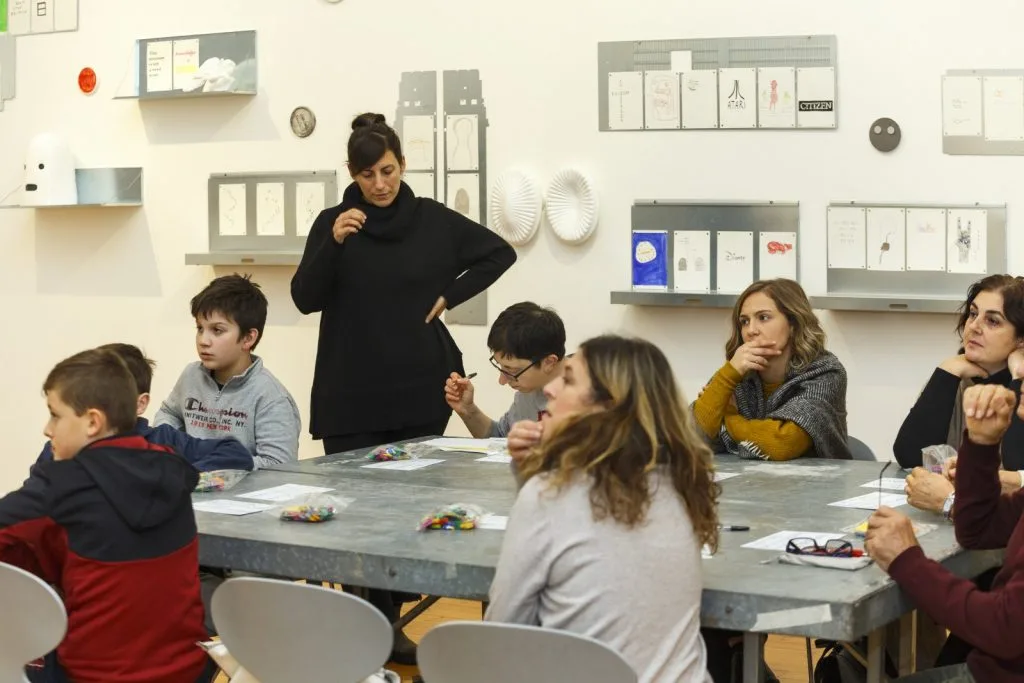
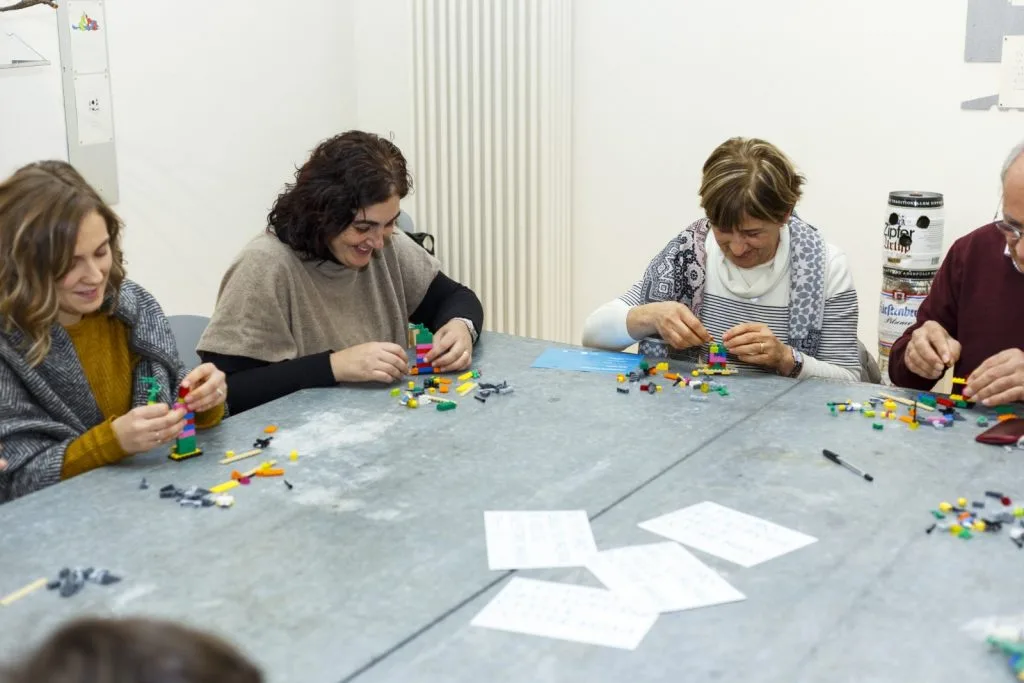
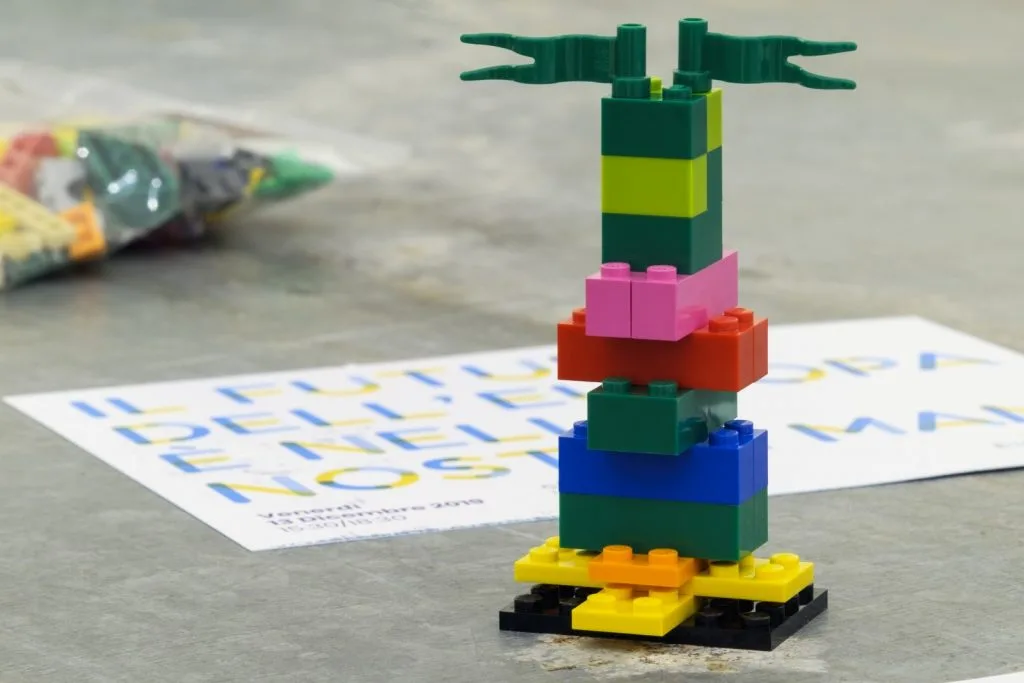
On the 13th December, at Fusignano, Fondazione Flaminia and Comitato Gemellaggio Fusignano organized a workshop to debate the future of Europe. Using the LEGO Serious Play methodology, the participants shared their ideas through 3D models.
This event took place at the museum and involved the world of local associations, with the twinning committee. The event involved 28 citizens from the city of Fusignano, Italy. This workshop got participants to simulate the European Commission’s 5 Scenarios for The Future of Europe so that they can perceive and express their ideas about the current and future role of the European Union and understand how they can #changEU.
Using Lego Serious Play to think, communicate and present solutions to European problems and challenges
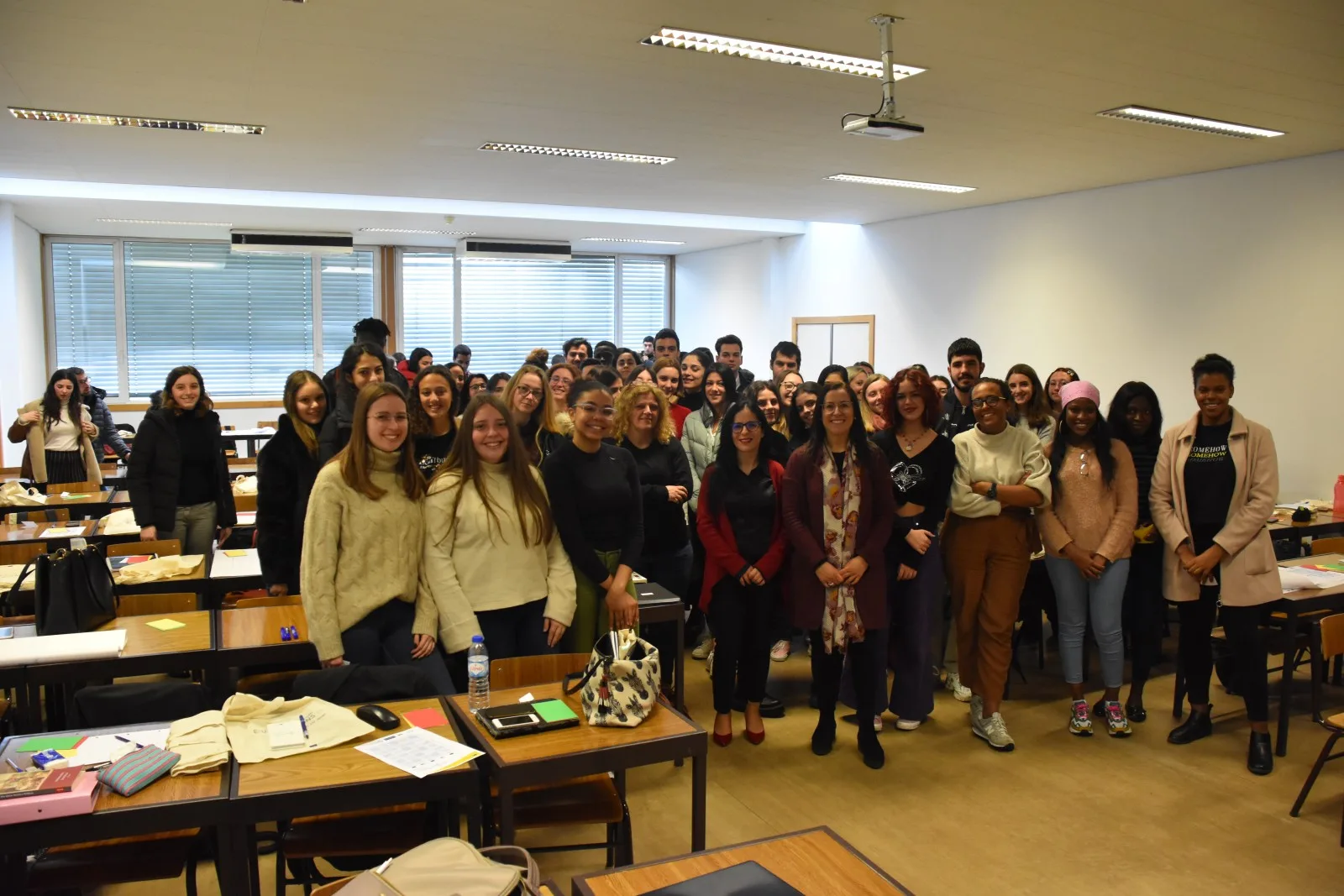
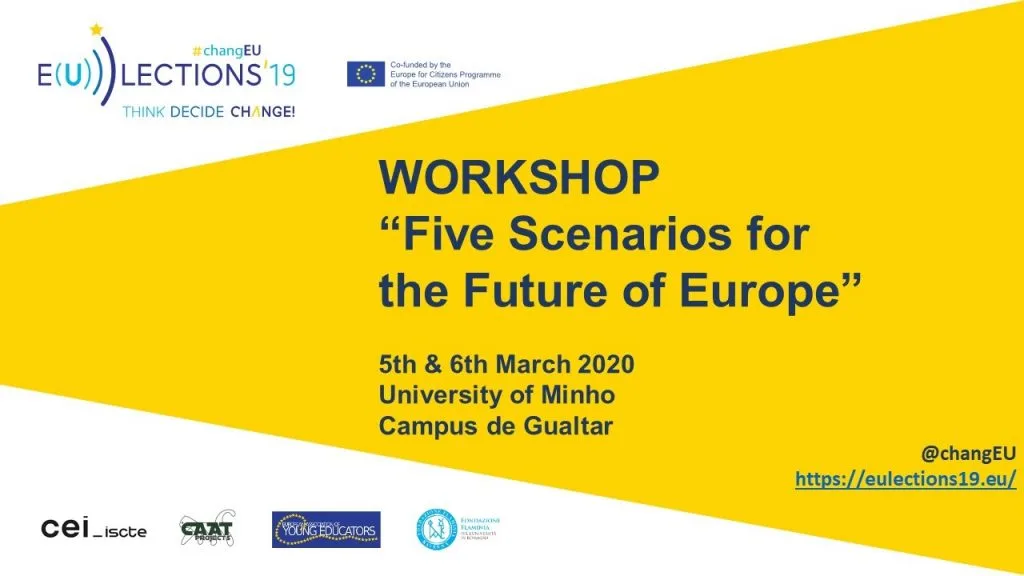
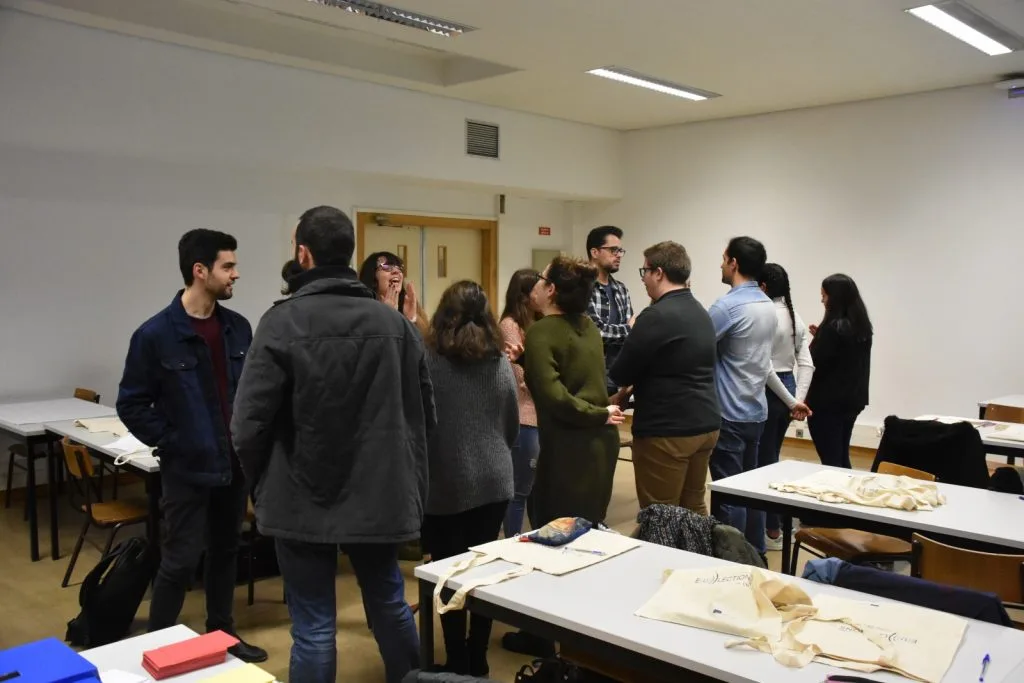
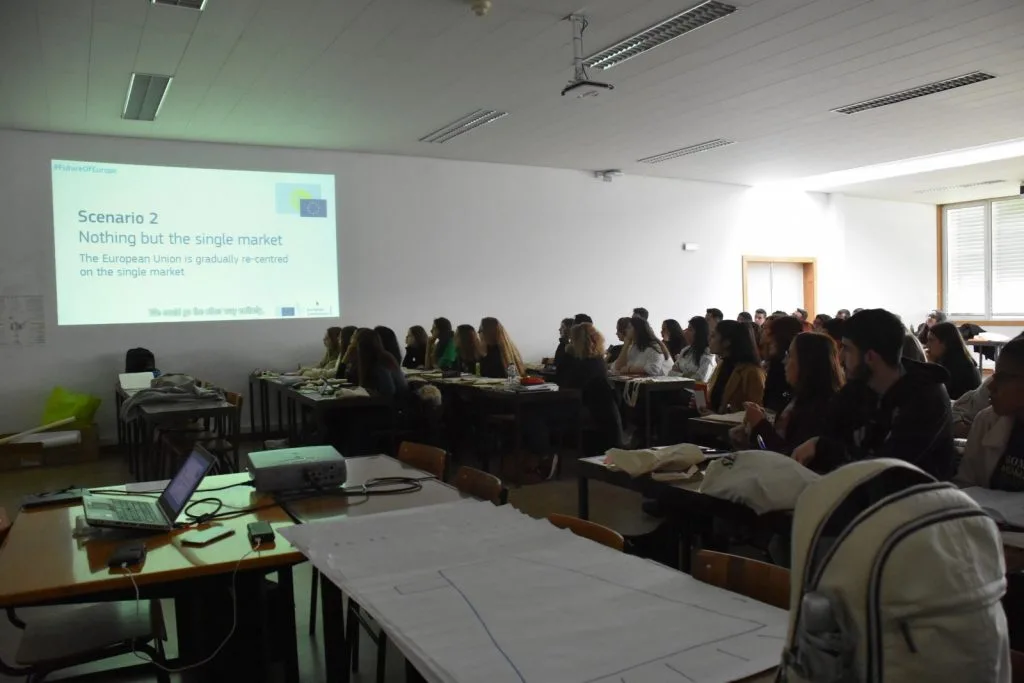
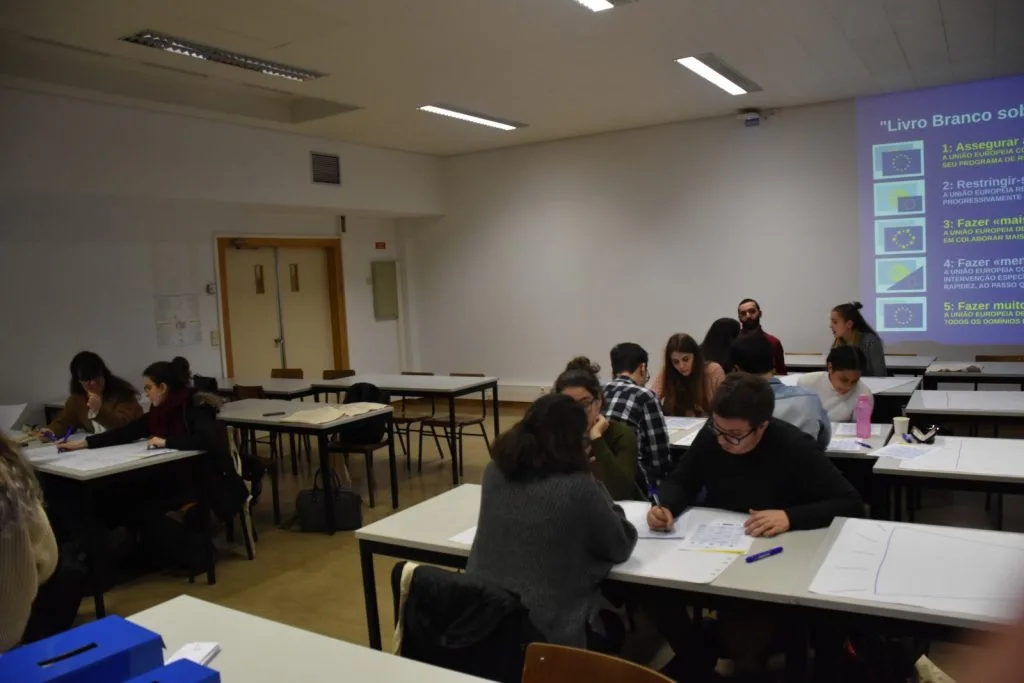
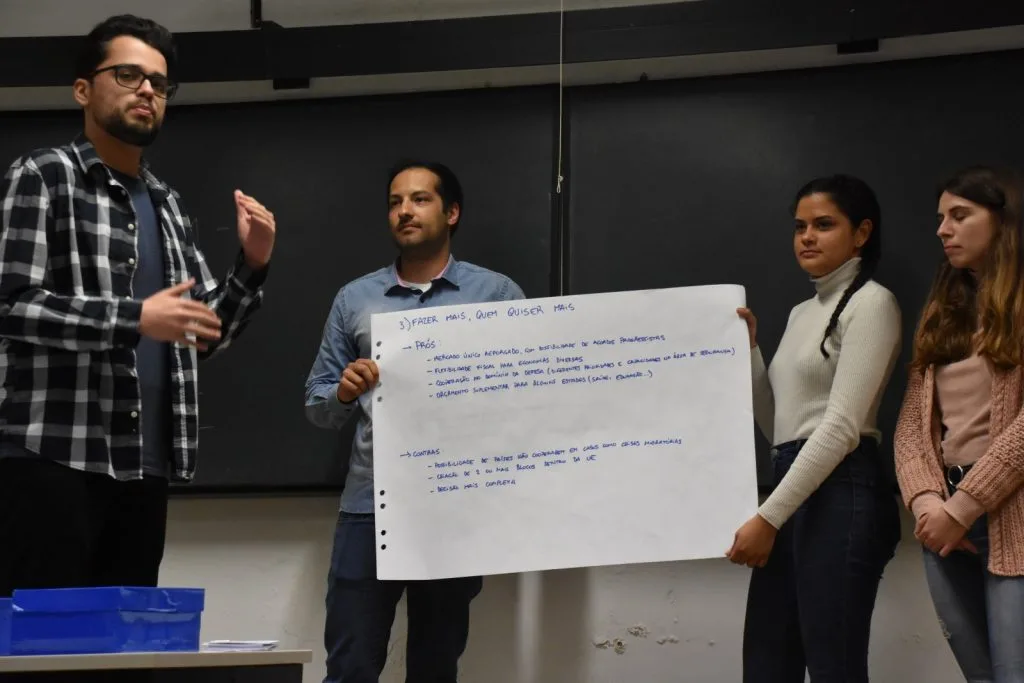
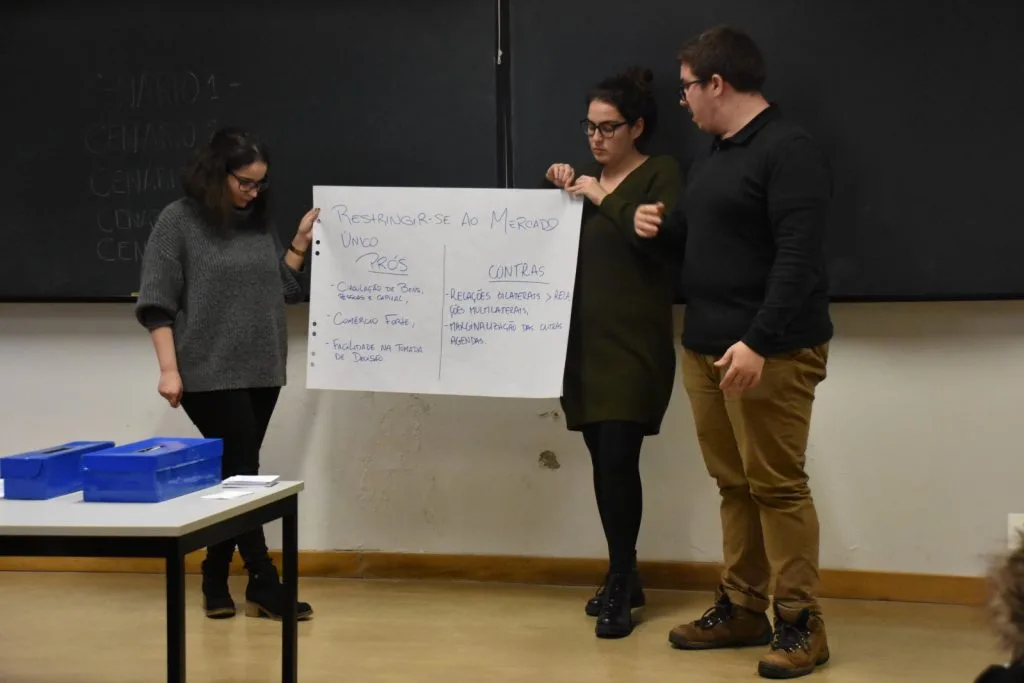
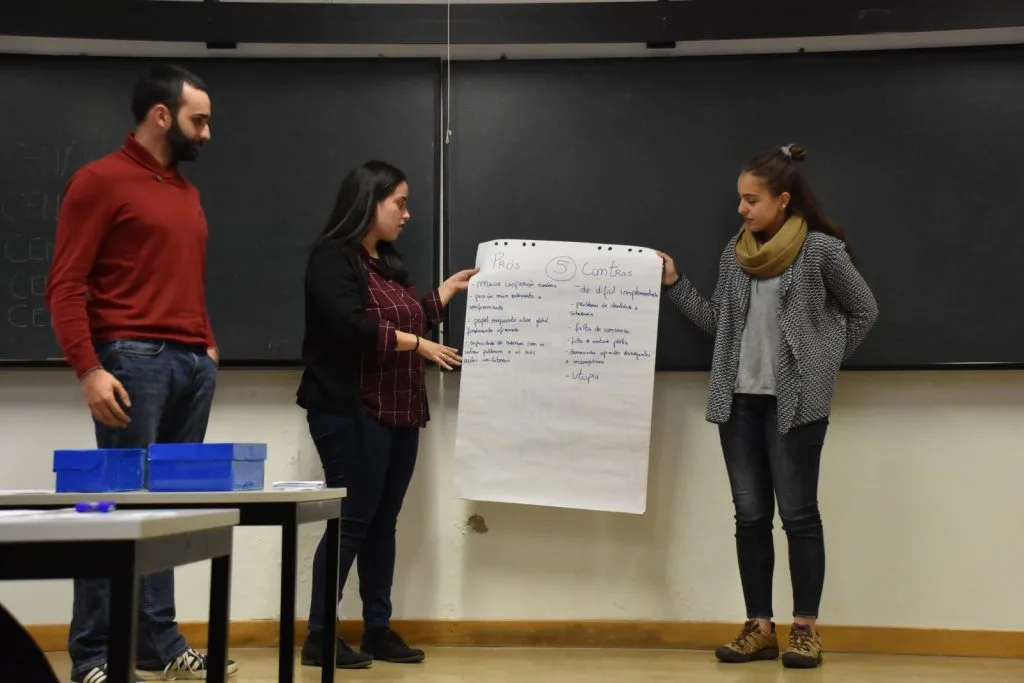
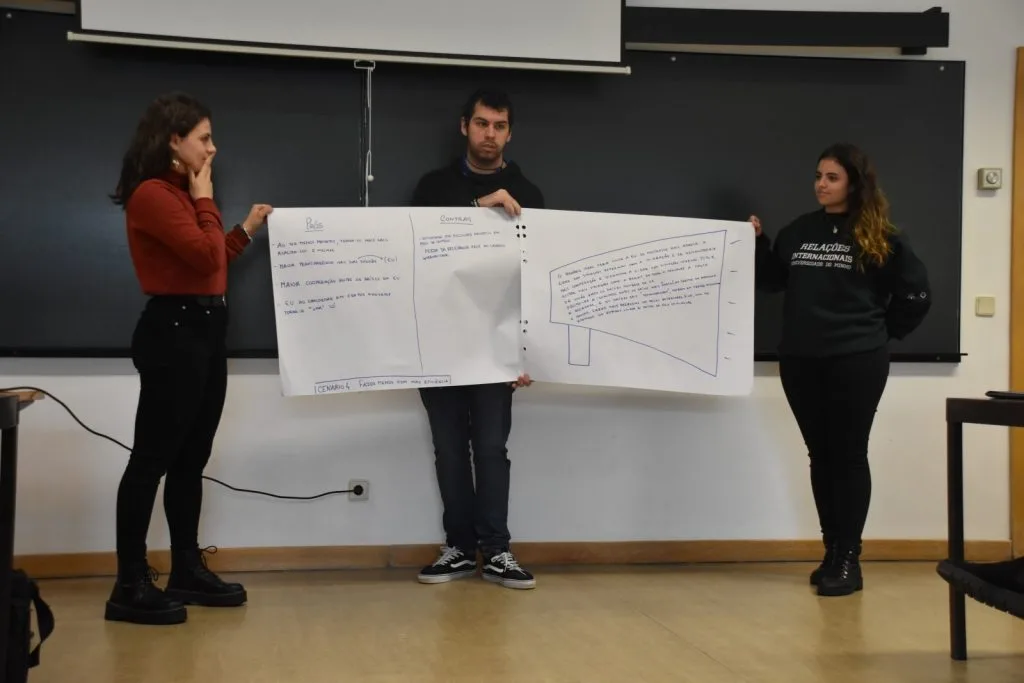
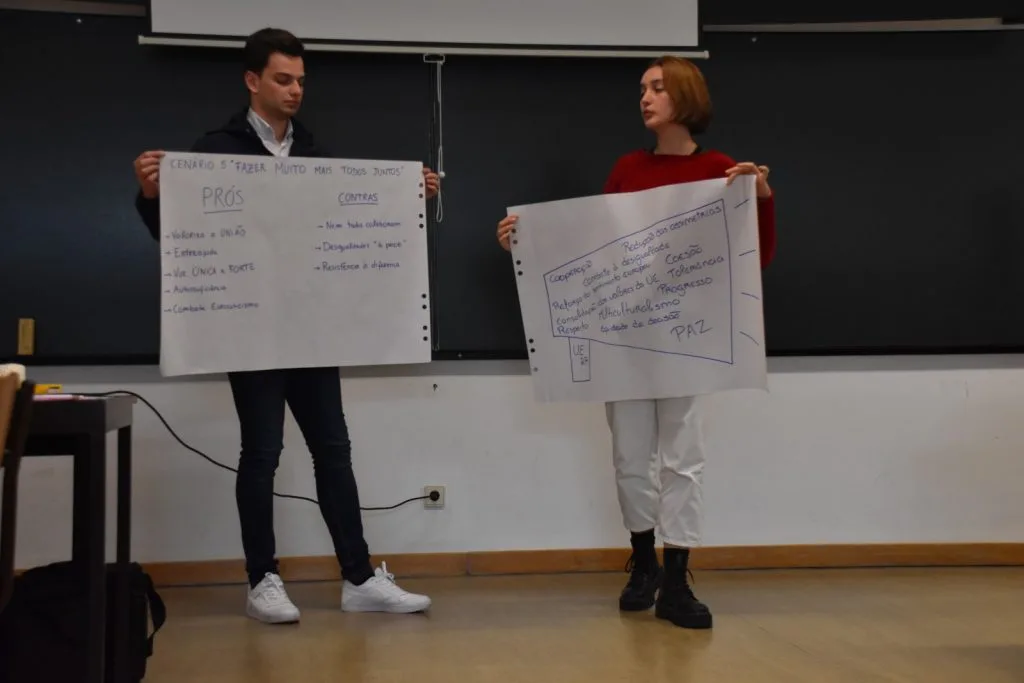
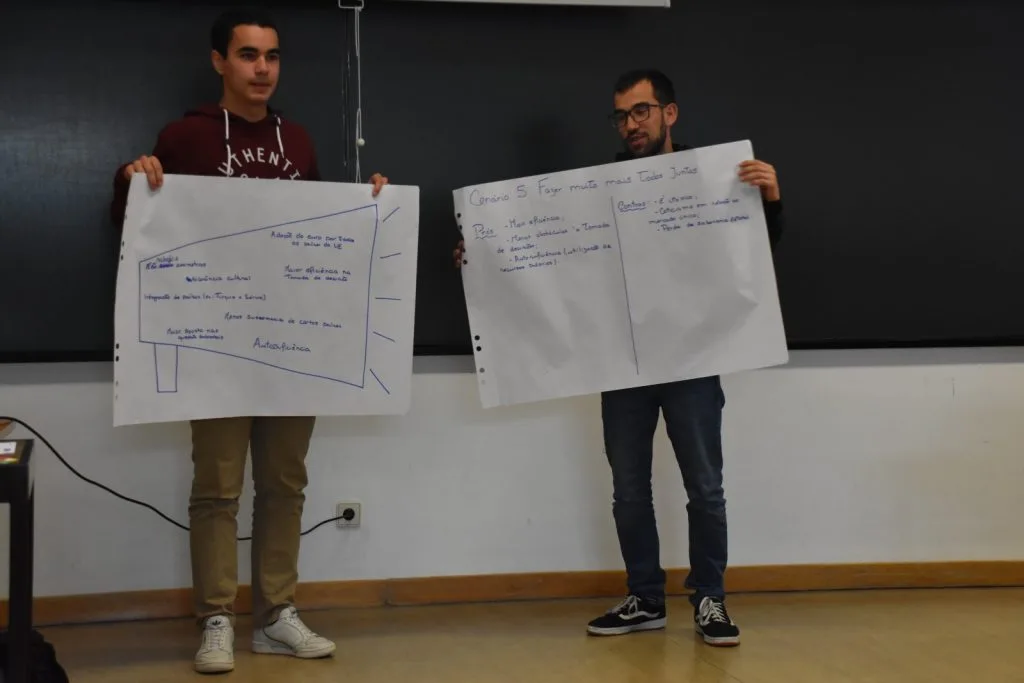
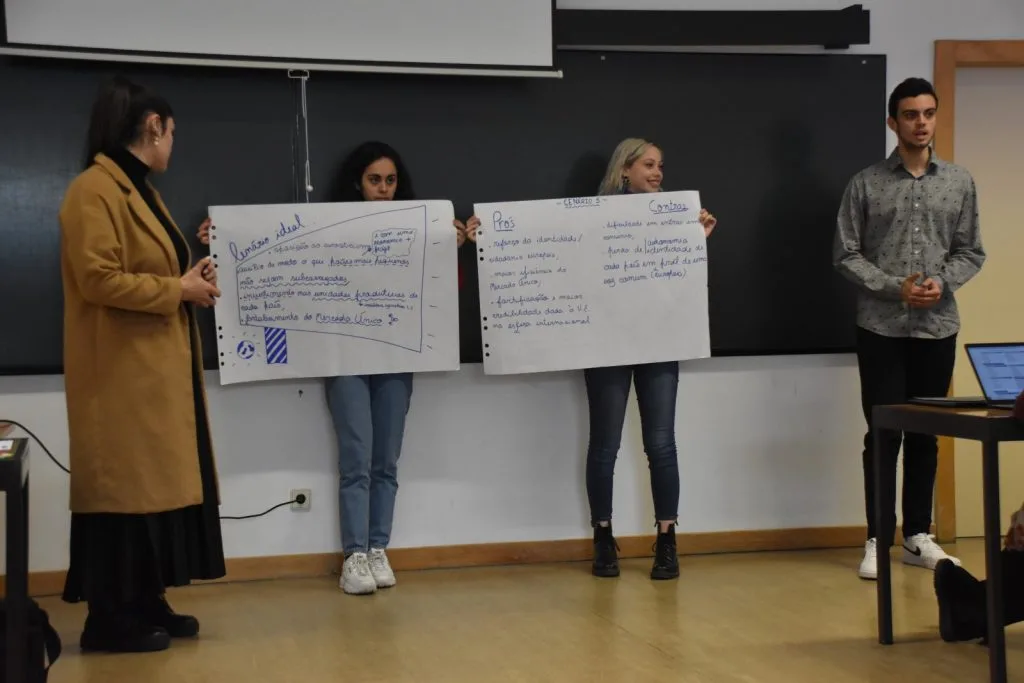
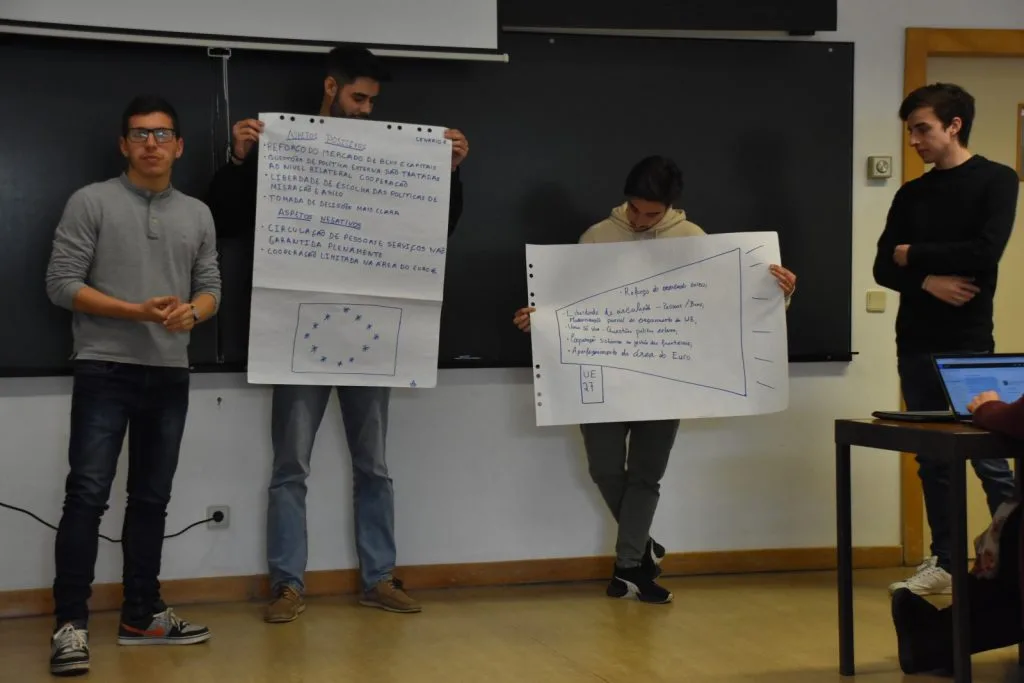
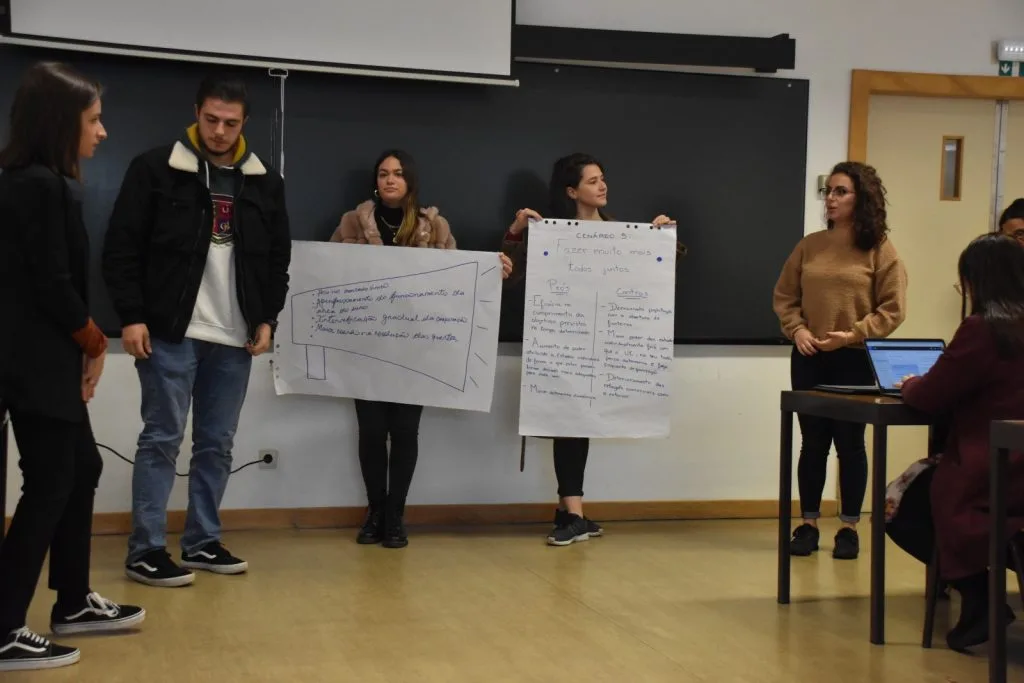
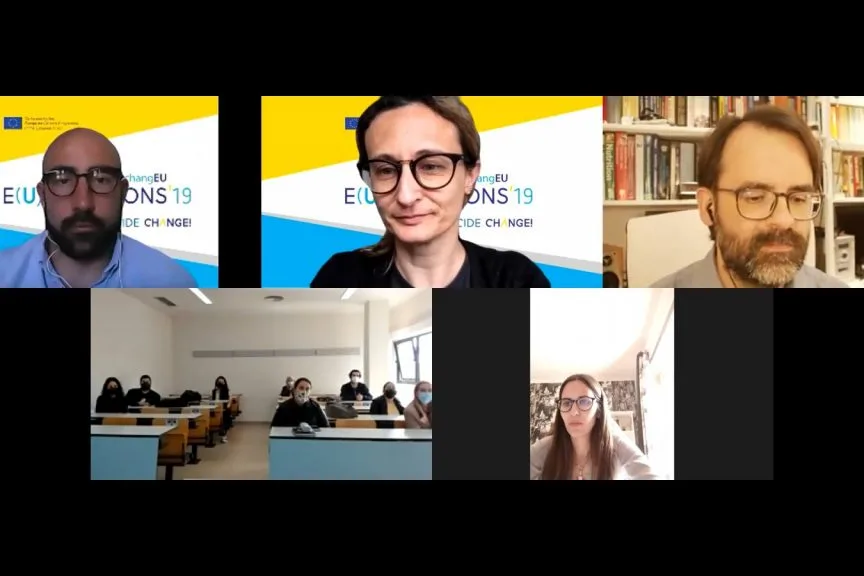
On March, 5 and 6, 2020, the Centre for International Studies (CEI-Iscte) and the European Association of Young Educators (EAYE) took the debate about the Future of the EU to Braga, in collaboration with the University of Minho, on the north of Portugal. The event involved 77 citizens, including 68 participants from the city of Braga, 7 from the city of Lisbon, Portugal, 1 from the city of Paris, France and 1 from the city of Rome, Italy.
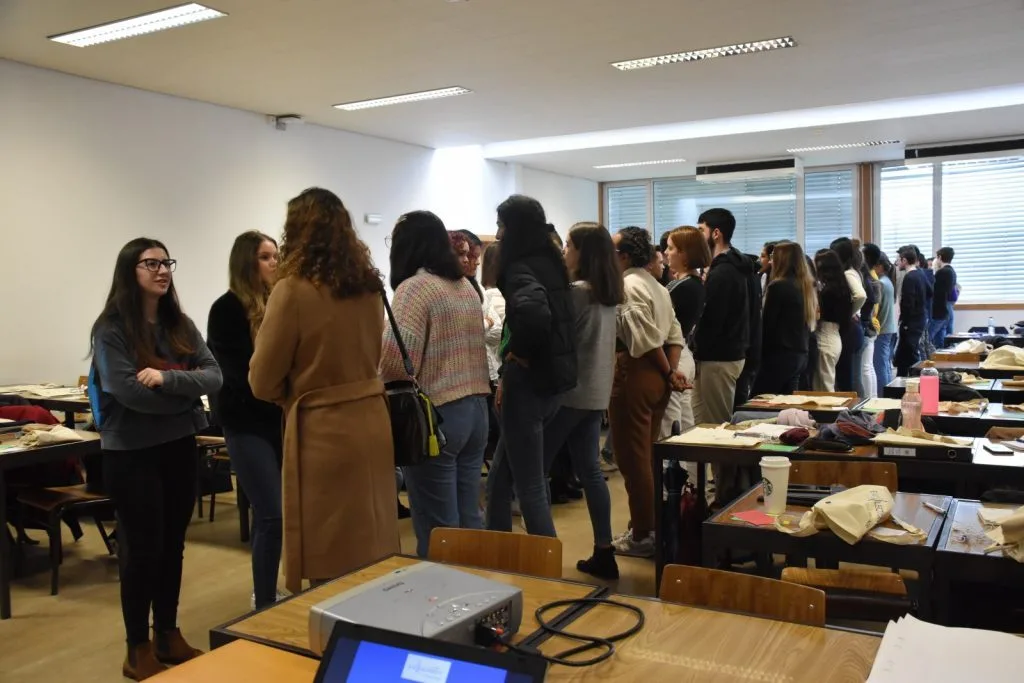
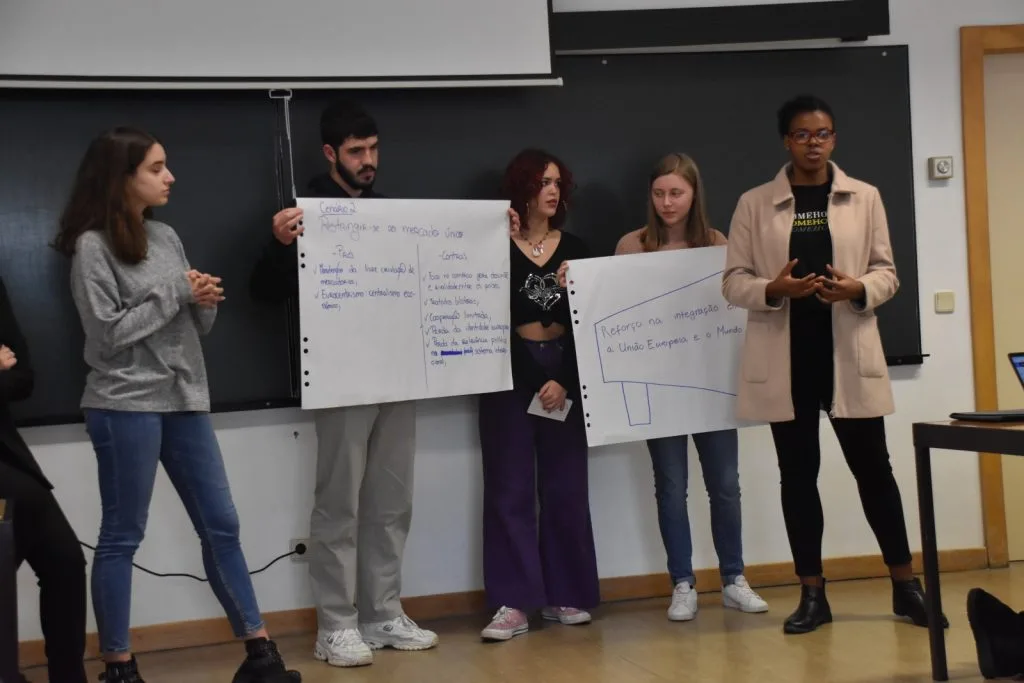
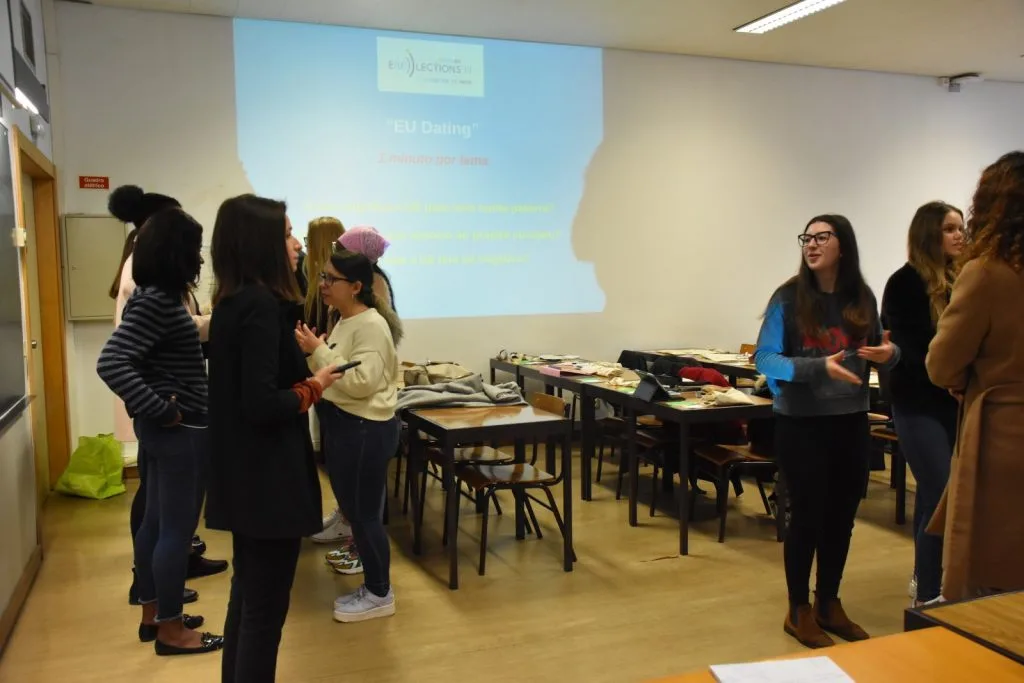
During the workshops, students from the master’s and graduation classes on International Relations shared their perspectives and ideas about the 5 scenarios for the future of Europe. The event included 2 workshop sessions with the two groups. The sessions started with a brief presentation of the project by the partners, followed by the “EU dating” an activity in which participants had to share with each other their answers to the questions “What does it mean to be an European Union citizen”.
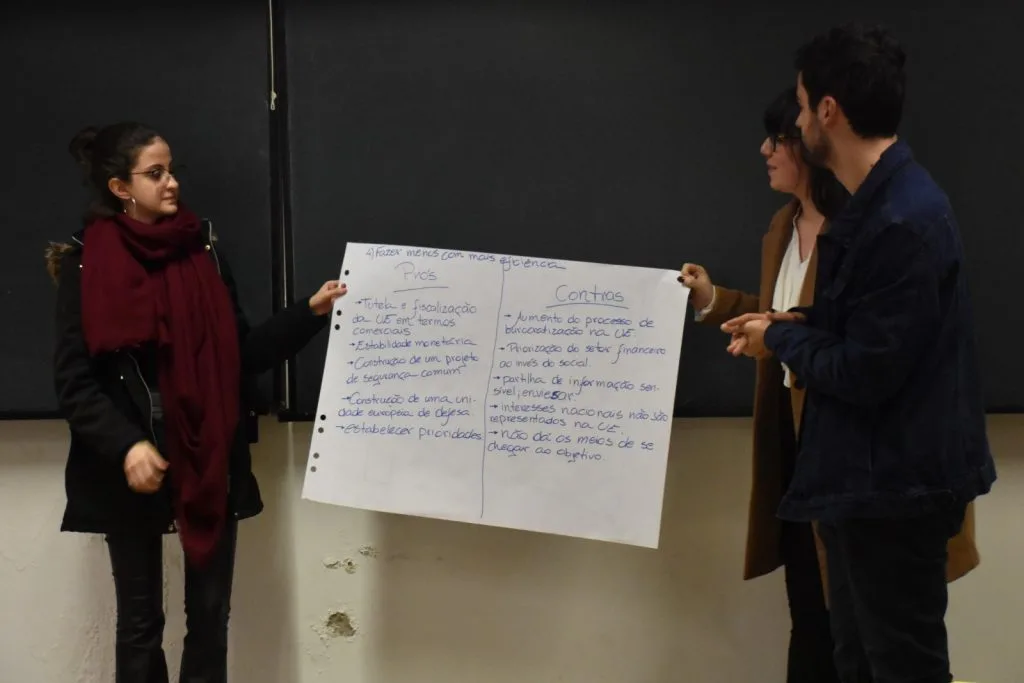
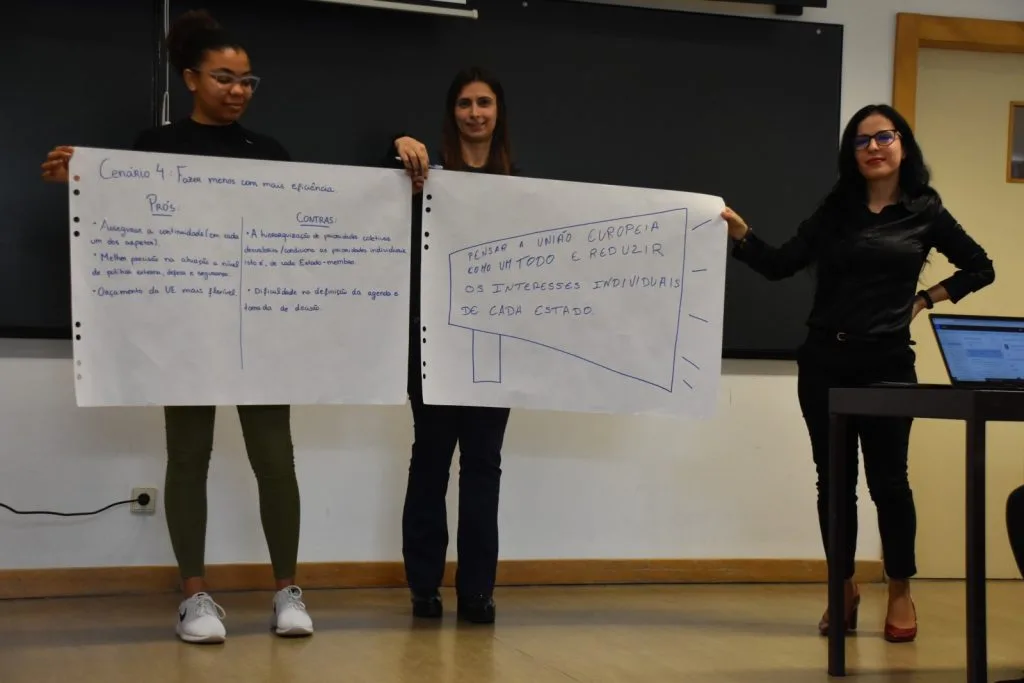
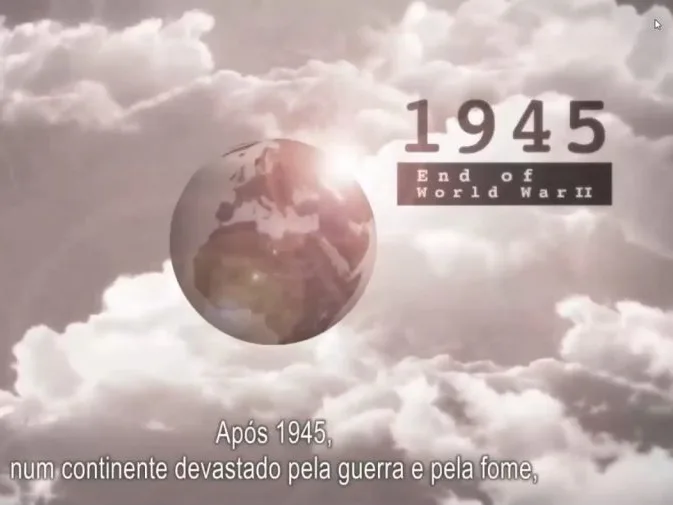
After the initial presentations and ice-breakers, we invited the participants to watch a video and a presentation about the 5 Scenarios for the Future of Europe. This introductory video and the additional information provided were the starting point for the group-work in which students chose one of the scenarios, reflected about its pros and cons and shared with the rest of the group. Each group also created a message for the European institutions.
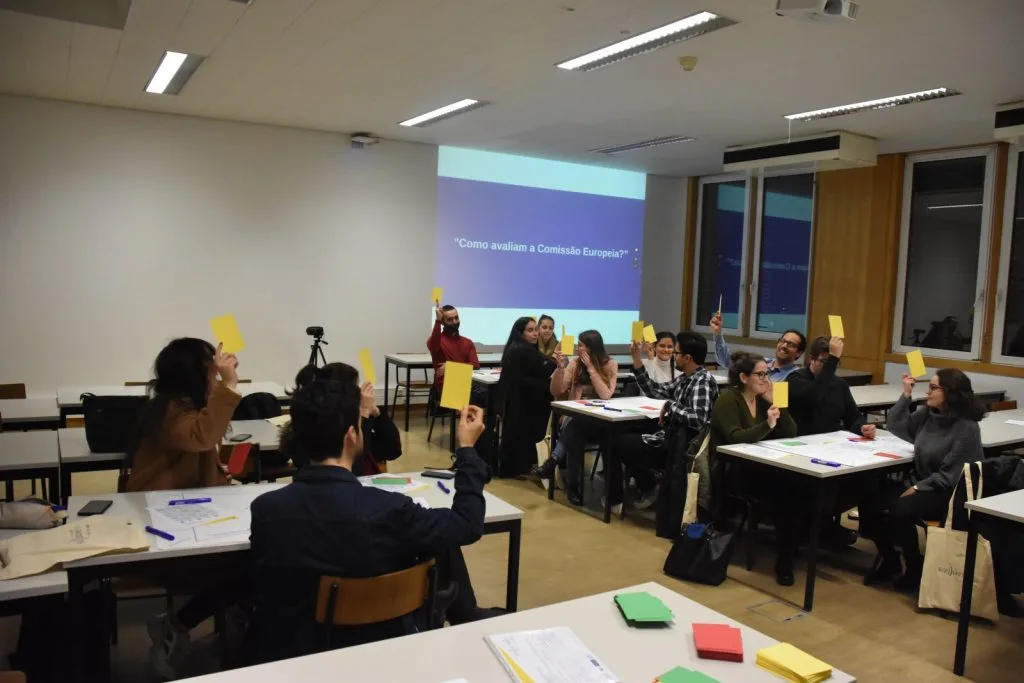
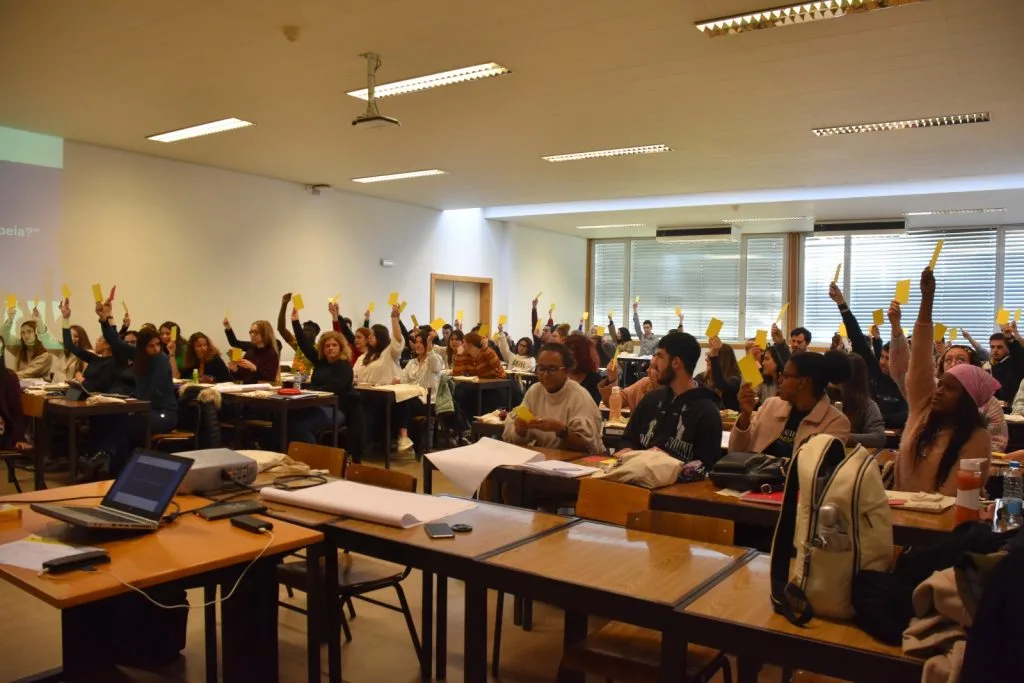
Following the groups’ presentation about the scenarios they worked on, its pros and cons, and their messages for the EU, we asked students to share their perspectives on the current state of the European Union and the European Commission using green, yellow and red cards. The Green meant that they feel European Commission aligns with their interests and opinions, Yellow meaning that they somehow feel connected with the European Commission work, but they feel some lack of representation and Red signalizing that they don´t feel represented at all by the work done by the European Commission.
The project ChangEU has been promoting workshops in Portugal, Italy and The Netherlands to collect citizens’ perspectives about the future of Europe, focusing on the 5 scenarios put forward by the European Commission. Throughout the project, partners have used non-formal education methods to debate and develop creative ideas about the EU we want. During this period of social distancing, we’ve explored online platforms to develop new and creative ways to promote participation in the discussion about Europe.
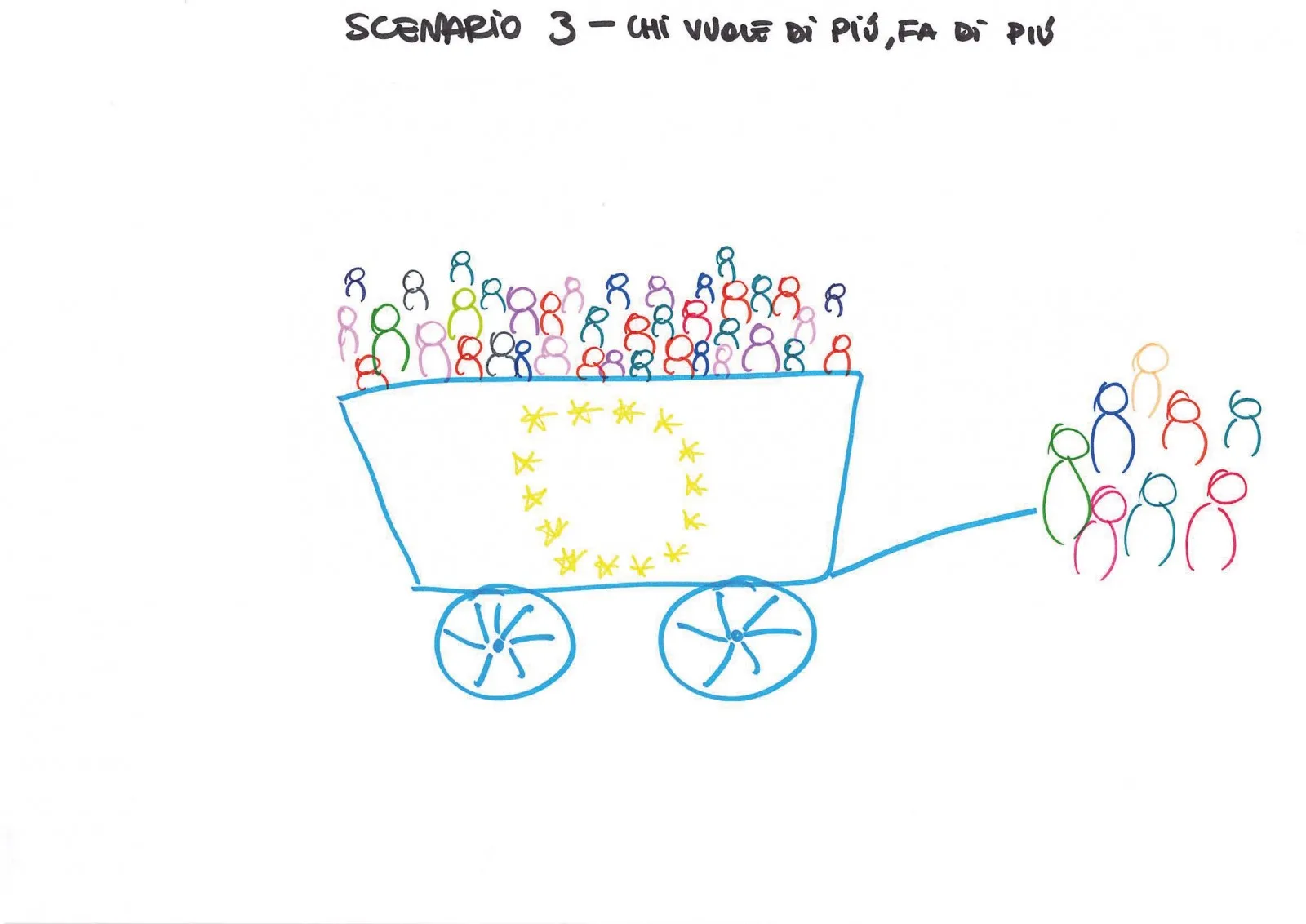
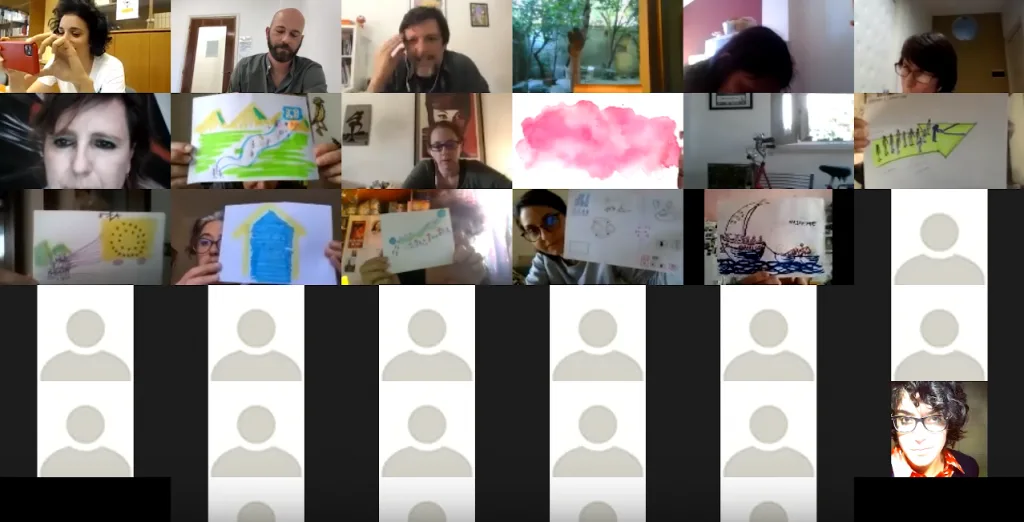
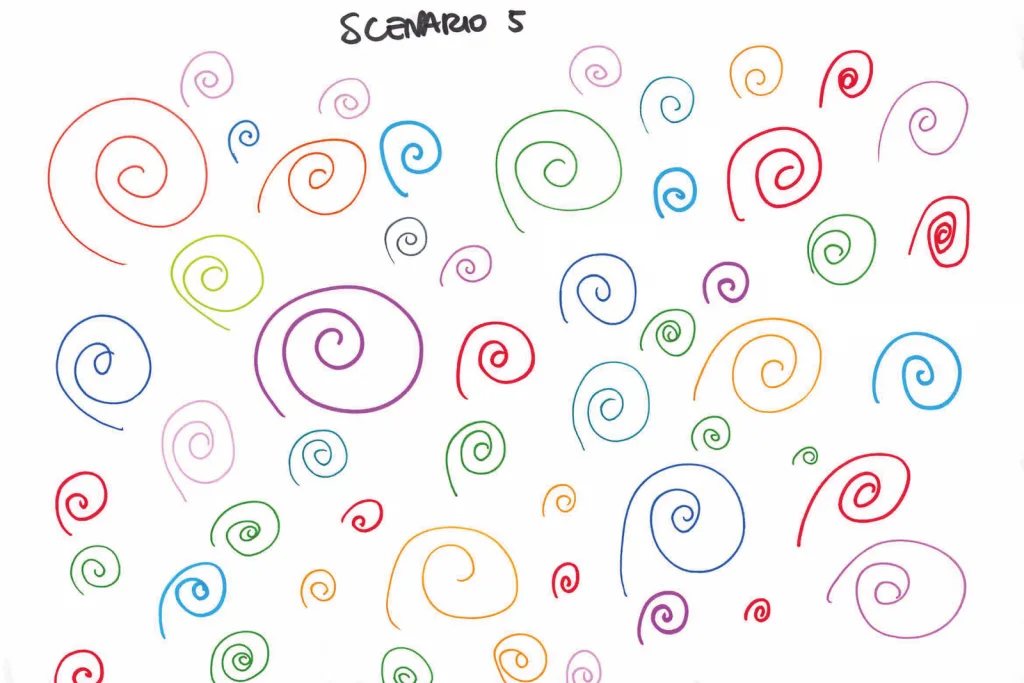
Fondazione Flaminia promoted on May, 25, 2020, an online workshop facilitated by Alessandro Bonaccorsi, using the Ugly Design2 methodology, that aimed to use drawing as a way to express ideas and concepts. The event involved 40 citizens, including 37 participants from the city of Ravenna, Italy, 3 from the city of Lisbon, Portugal.
The workshop was expected to be held in the classroom with a class from the Ravenna art high school, but the lockdown and social isolation did not make it possible to organize a workshop in person.
In a moment of emergency and structural, economic and social crisis that has affected the whole world, we considered fundamental to continue to talk about Europe and the future of the EU. We have therefore remodelled the workshop to make it usable online, through the platforms we learned to use during the lockdown period, and we opened it to all citizens, without age limits.
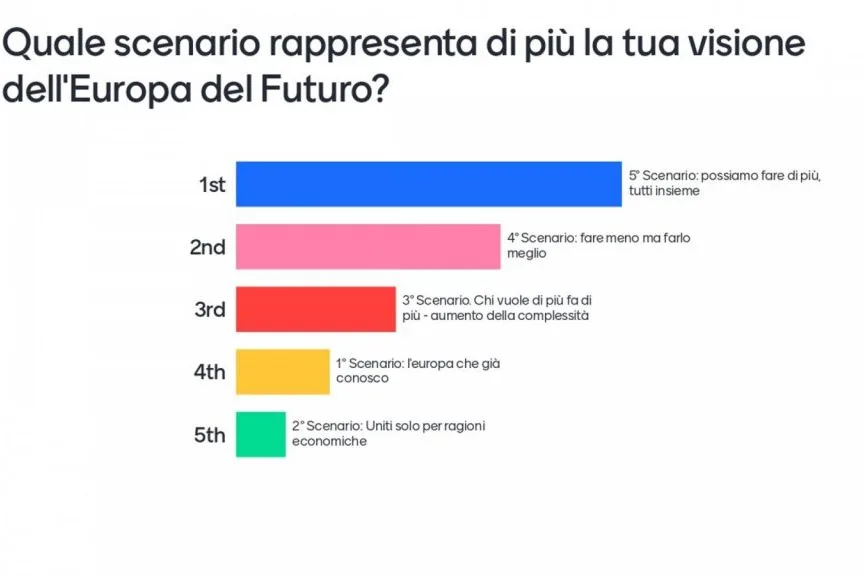
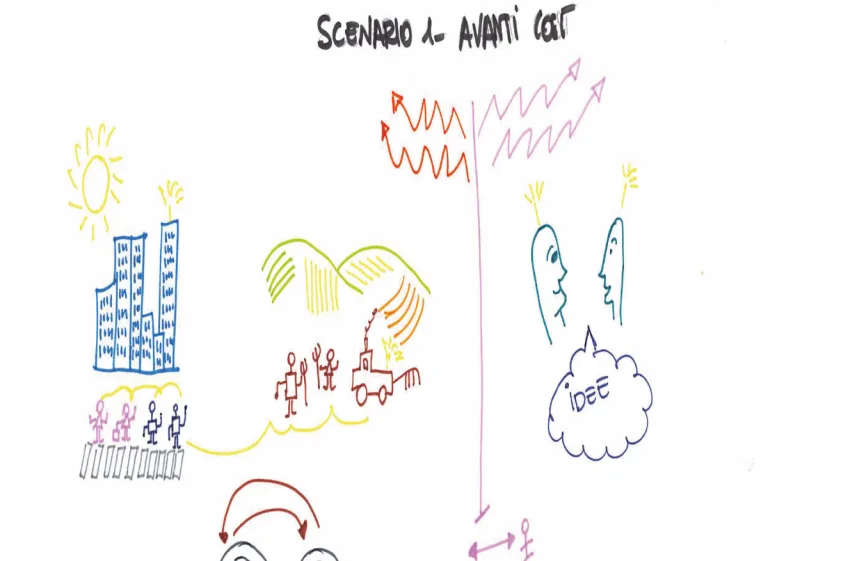
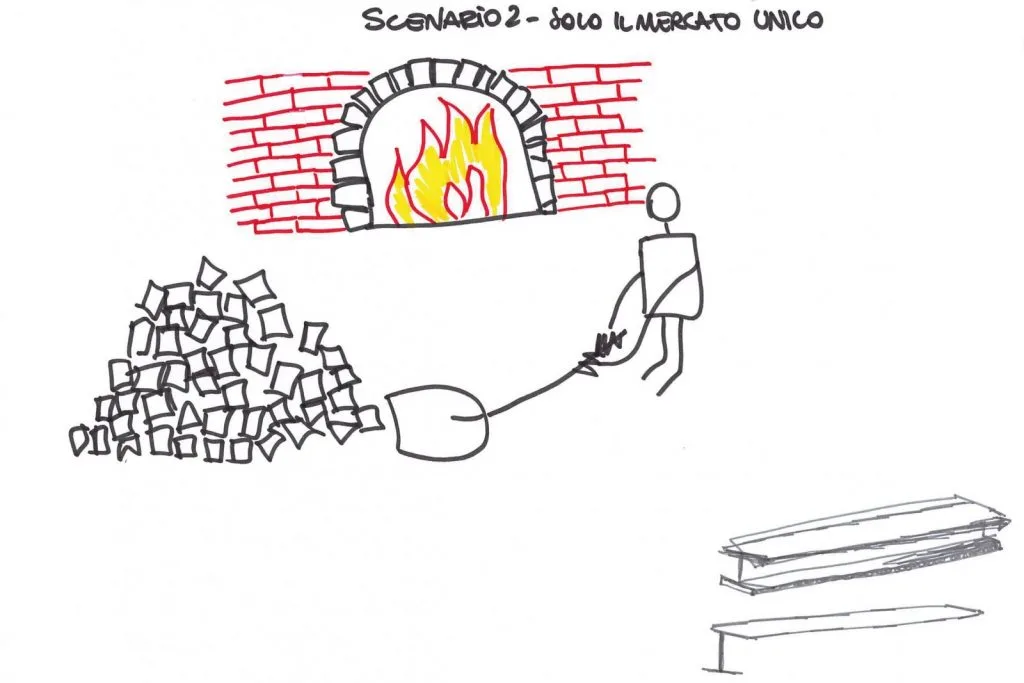
During the workshop, the participants were invited to imagine and convey messages about Europe using drawing, express their opinions about the future, namely which of the 5 scenarios they consider the best option for Europe, and reflect about the fundamental conditions to turn it to reality.
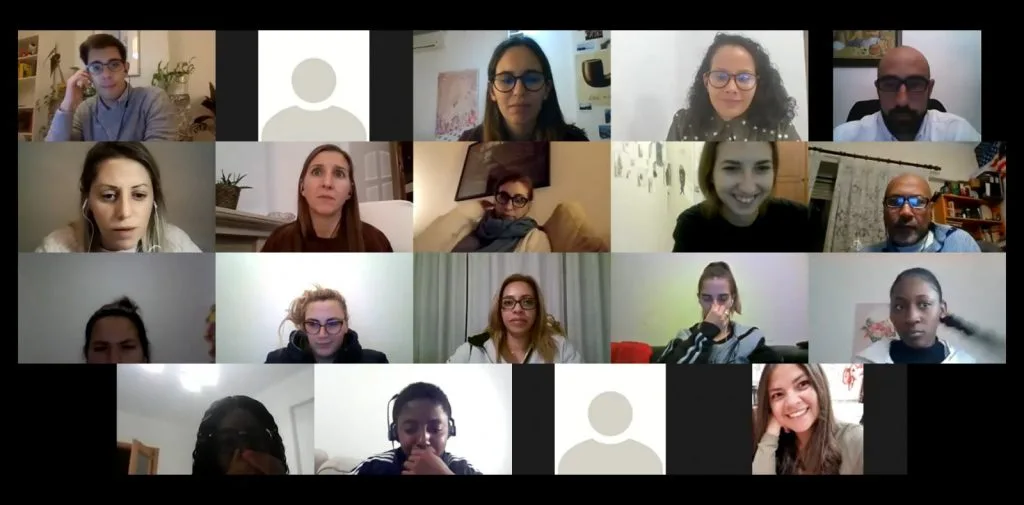
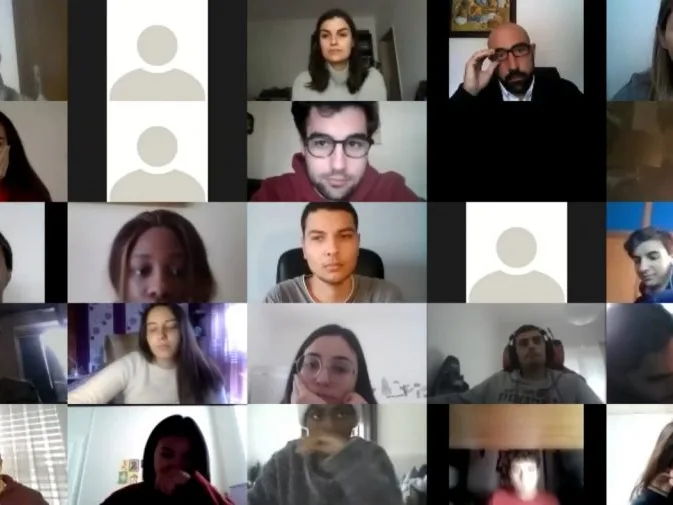
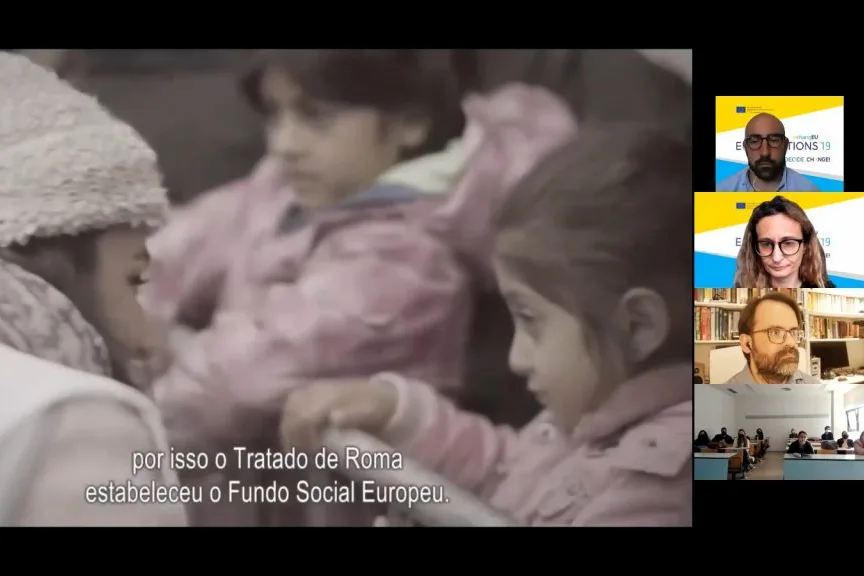
The Eulections’19 – Think, Decide, Change project took its roadshow to the Internet, adapting the debates and workshops to the virtual space. On December 4, 2020, the debate about the future of Europe continued with students from Universidade Autónoma de Lisboa who shared their perspectives about EU’s current and future challenges.
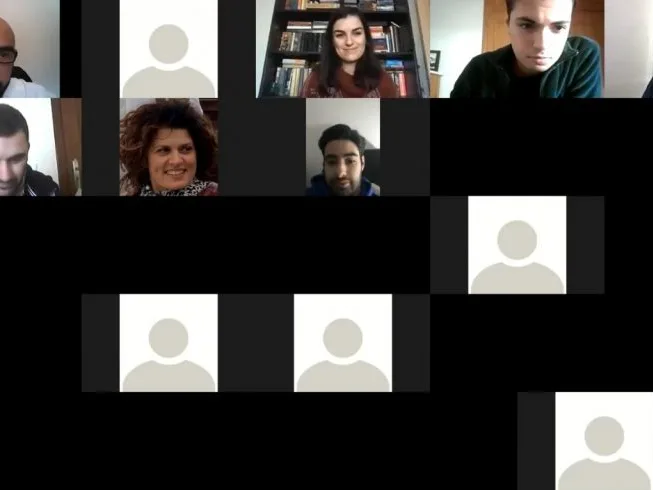
The event took place via Zoom and included two sessions with two groups of students and involved 64 citizens, including 63 participants from the city of Lisbon, Portugal, 1 from the city of Brussels, Belgium.
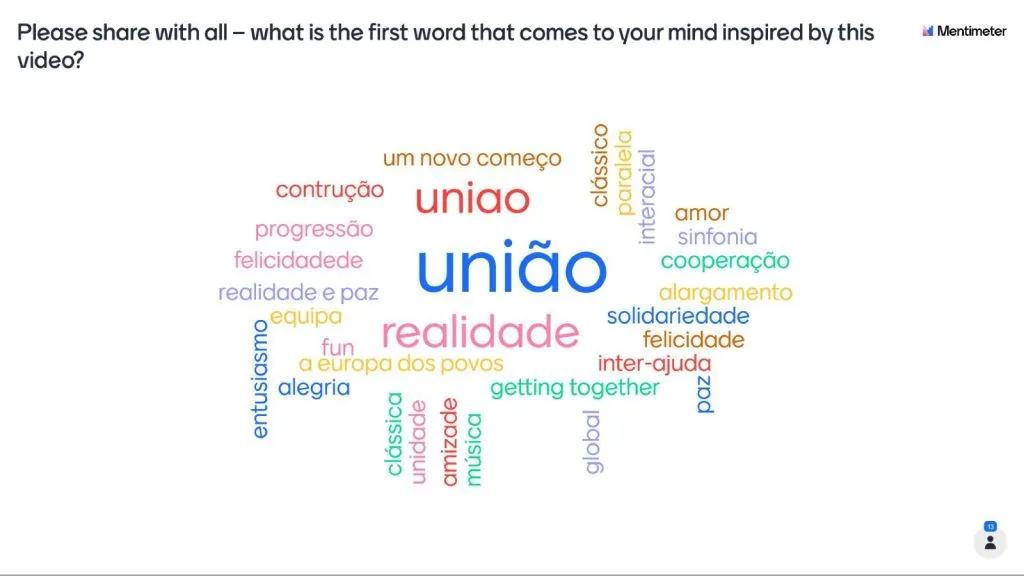
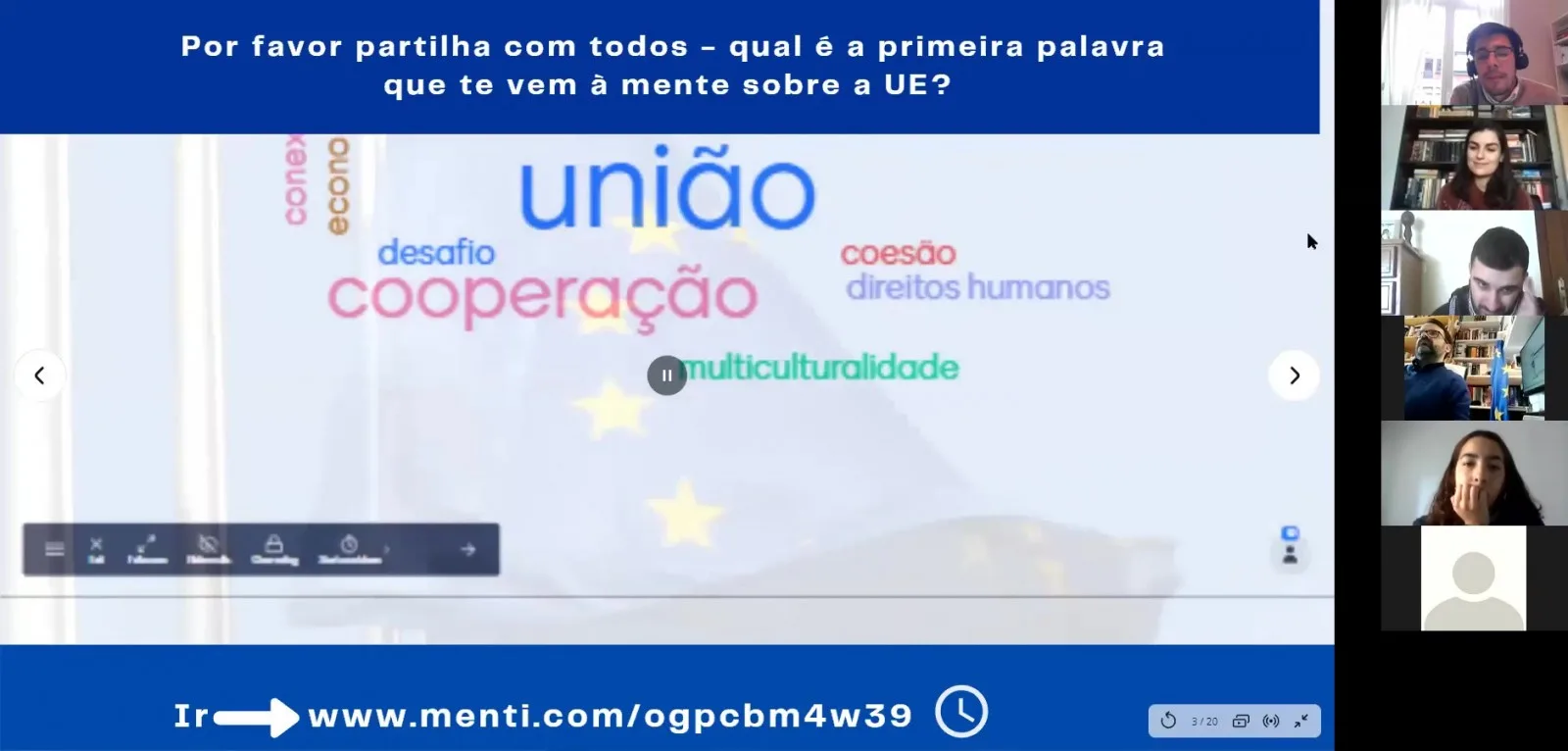
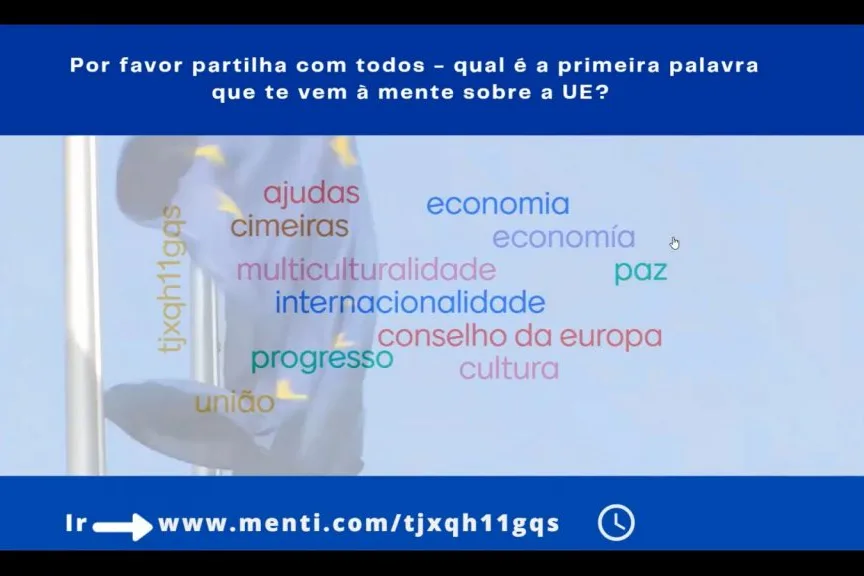
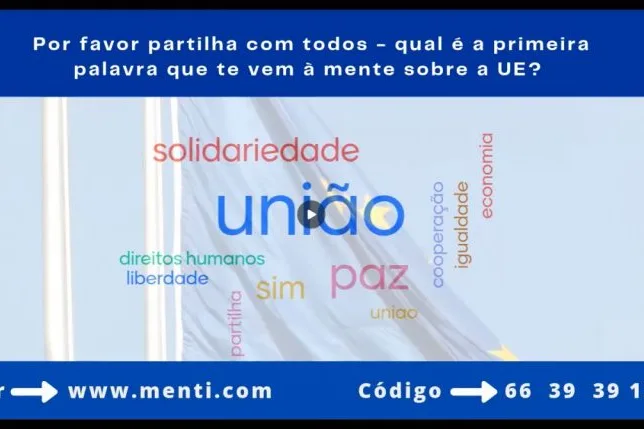
We’ve started the sessions by presenting the project to students and after that, a small video about Europe’s day. Using Menti, students shared the first word that came to their mind inspired by Europe and the introductory video.
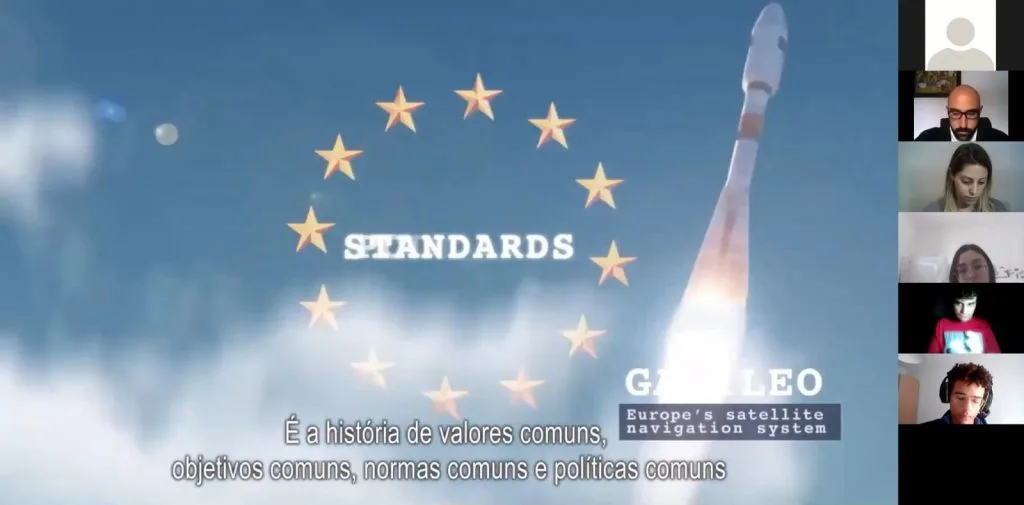
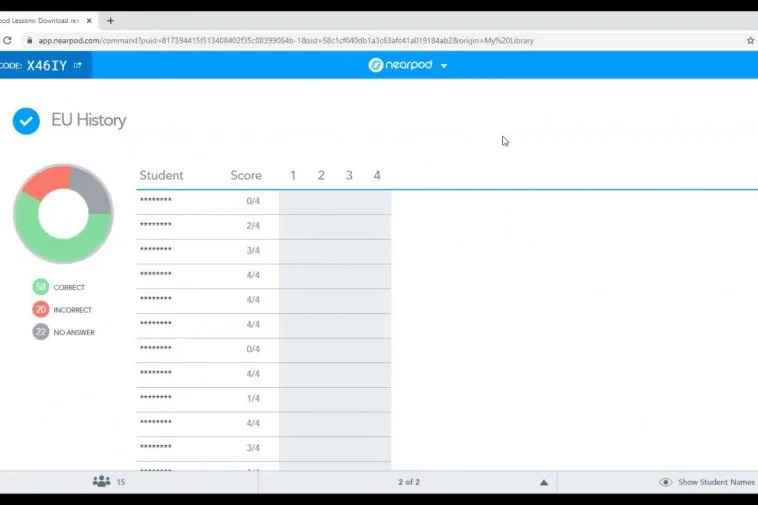
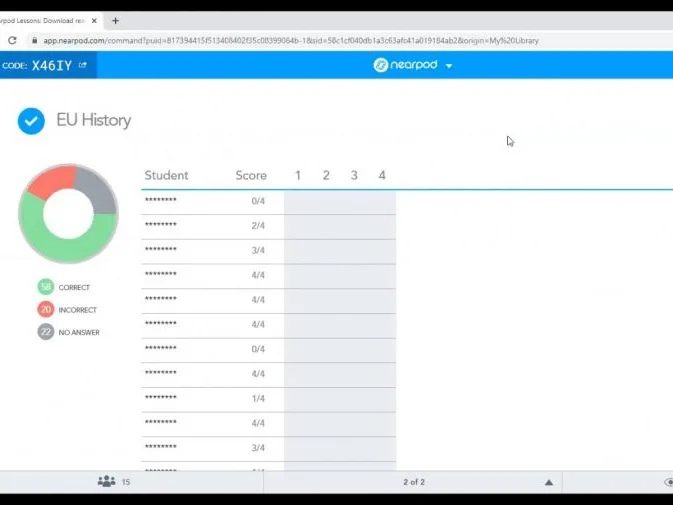
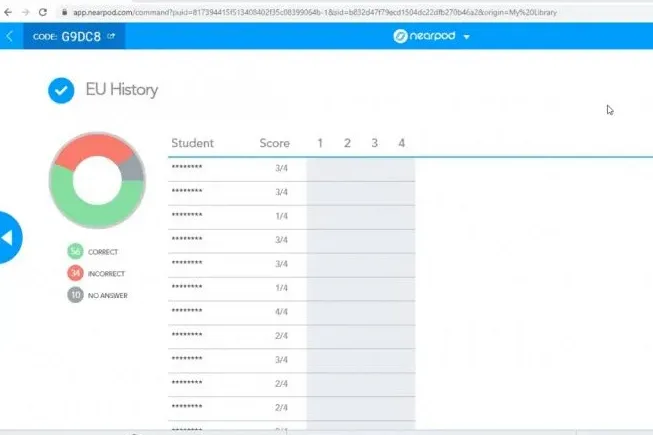
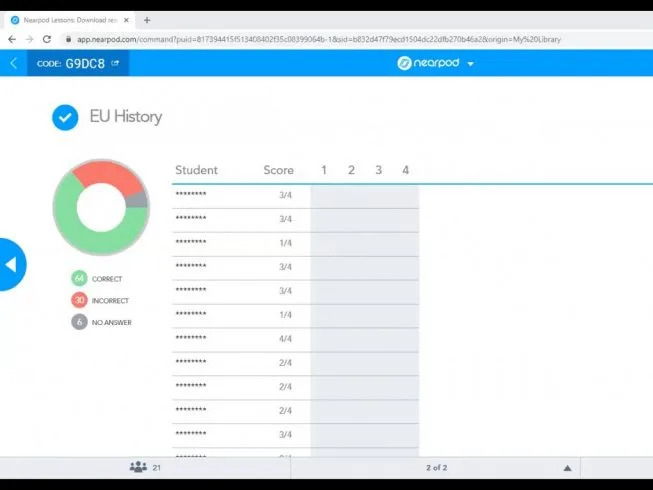
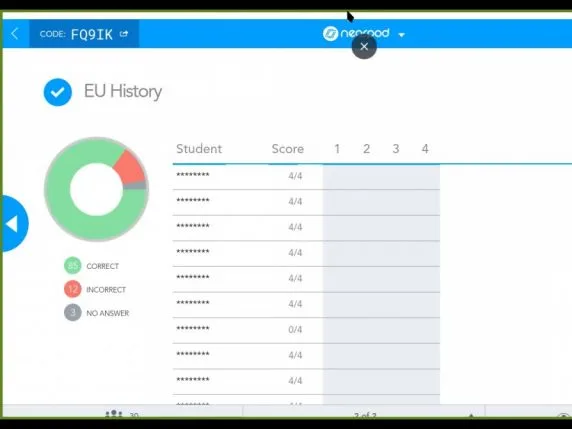
After a debate about the students’ word cloud the groups watched a video about the EU’s political project and answered a quiz about the history of Europe and the European Union. Those two introductory activities aimed to set the floor for the discussion about the main topic of the event, the Five Scenarios for Future of Europe.
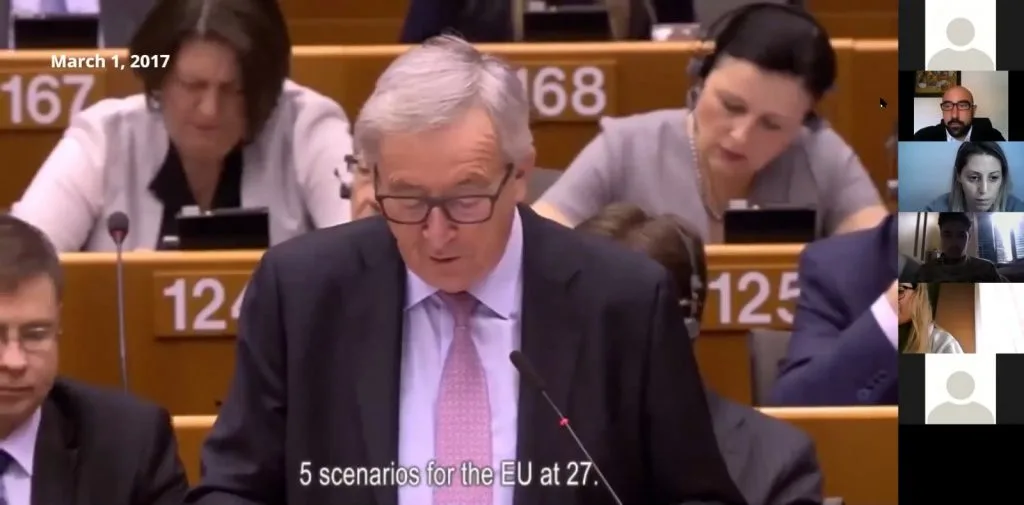
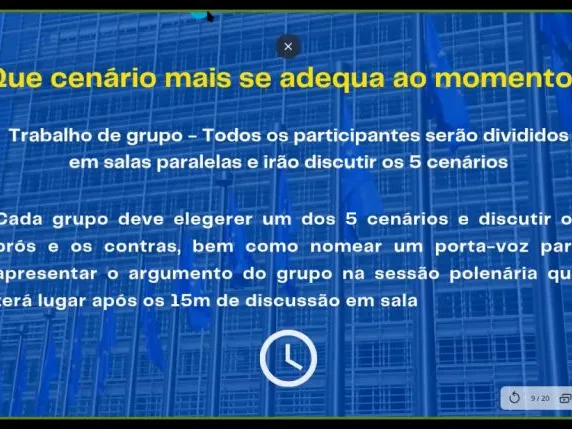
We started by looking at the Five Scenarios for Future of Europe with a video and a presentation. After that, the two groups were organized in smaller groups in separate Zoom rooms to choose and reflect about one of the scenarios, its pros and cons. Each group chose a representative who presented the groups’ main conclusions.
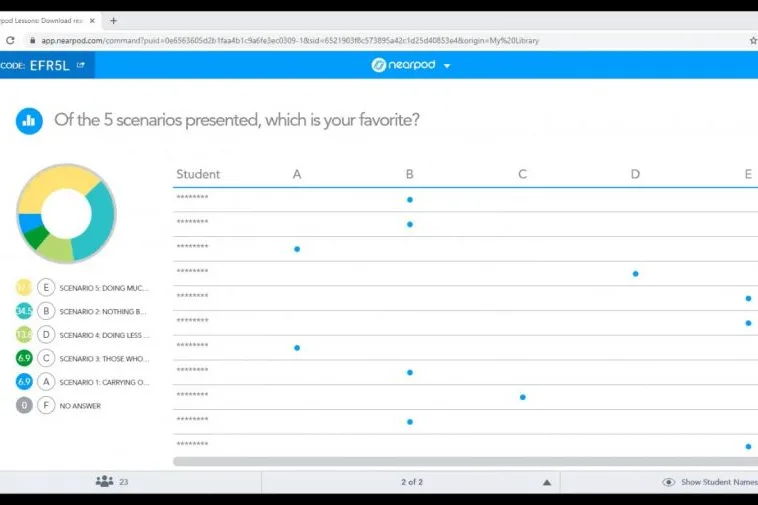
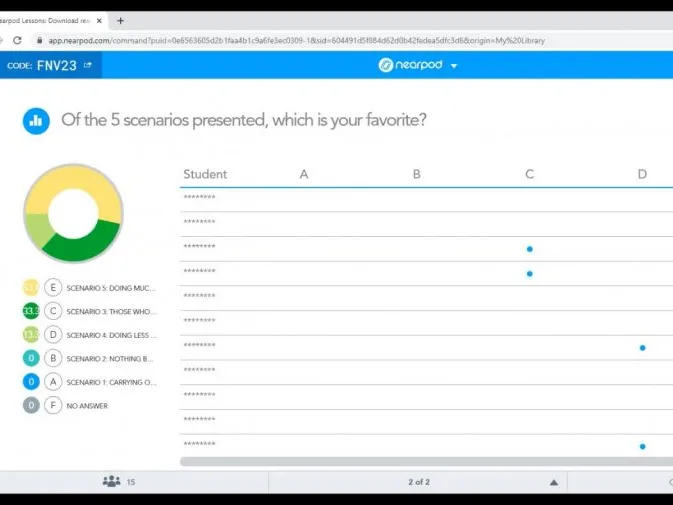
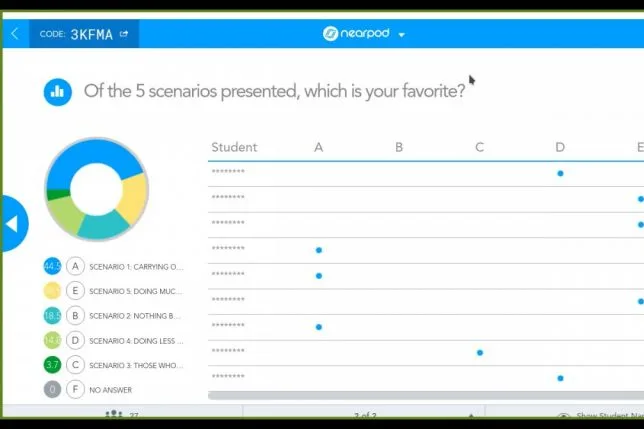
Following the groups’ debate about the five scenarios, we’ve invited students from the workshop groups to individually choose the scenario they believed to be the best for the future of the European Union.
During this collective reflection, the students emphasized the importance of European solidarity, namely in response to the pandemic, and its role in reducing socioeconomic asymmetries between member states, but also recognized the need to improve coordination and solidify the European project.
Students stated the importance of bringing the EU closer to European citizens by improving its communication and information initiatives, an effort that must be also undertaken by national governments and civil society, as citizens participation in European affairs is fundamental to improve the EU.
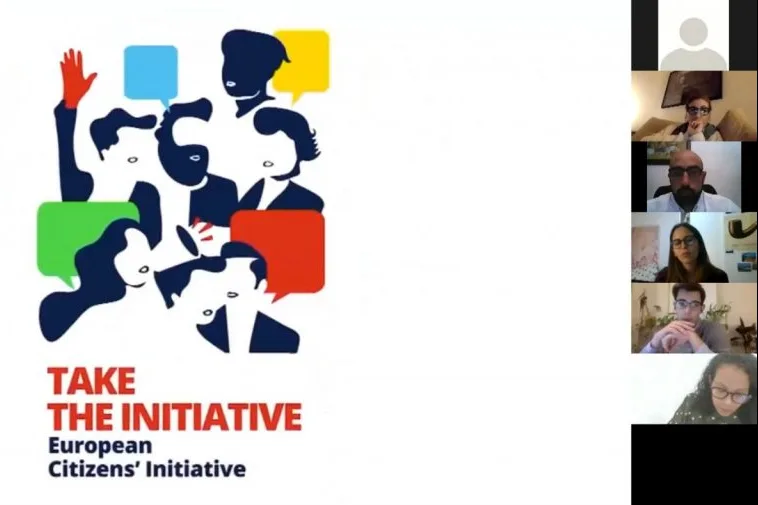
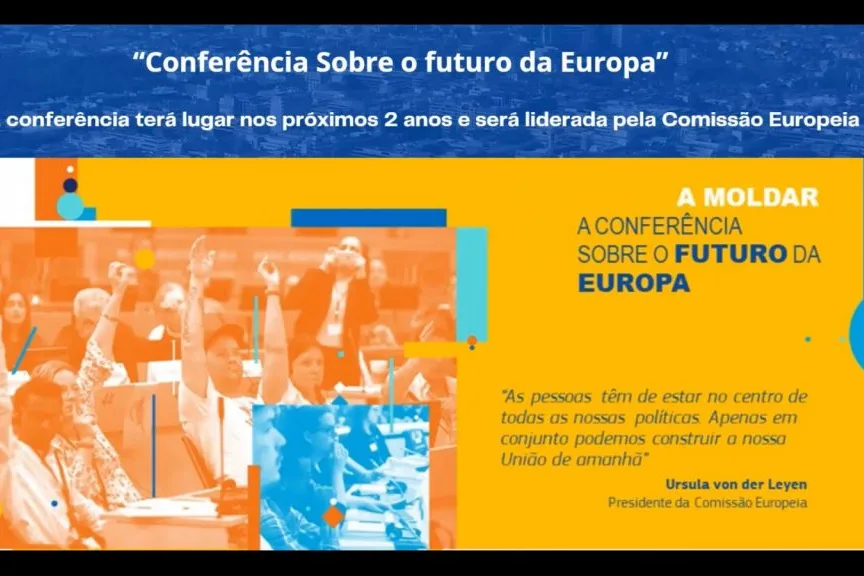
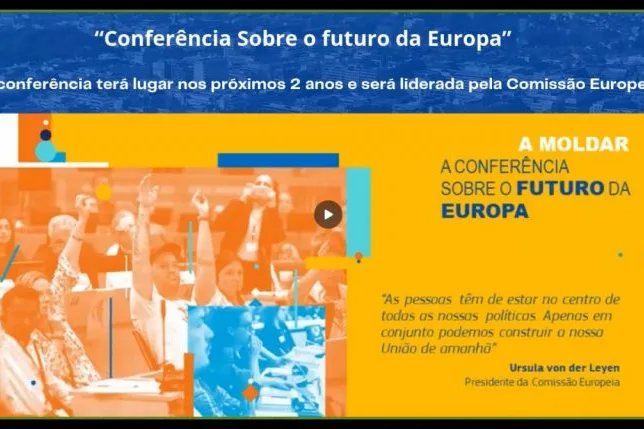
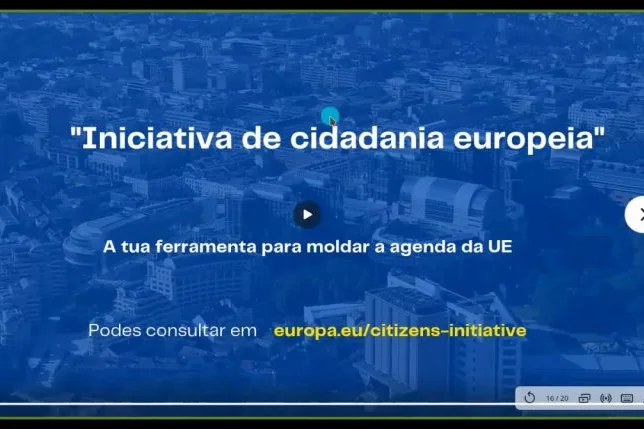
To promote the students’ engagement with the debate about the future of the European project, we’ve shared information about initiatives and instruments that aim to create spaces for European citizens participation, the Conference on the Future of Europe and the European Citizens’ Initiative.
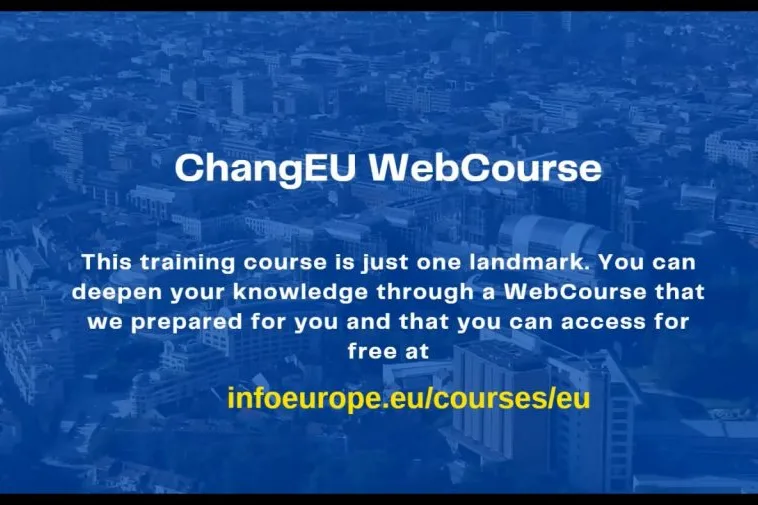
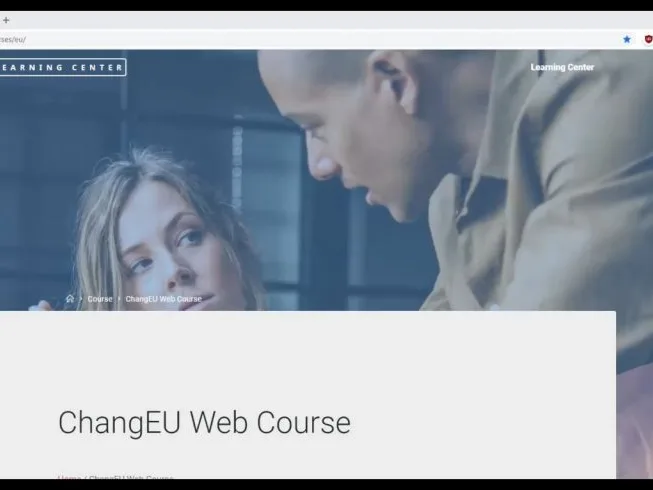
Considering the importance of information in the promotion of active citizenship, The ChangEU WebCourse was presented to participants as an easily accessible resource to understand key facts about Europe’s history, its role and institutions and some initiatives where citizens can participate and contribute to shape its future.
Students from Universidade de Coimbra joined the EULECTIONS’19 online roadshow to debate the future of Europe on December 15, 2020. This event included two workshops with two groups of participants from the European Affairs course with a total of 28 citizens, including 23 participants from the city of Coimbra, 5 participants from the city of Lisbon.
The workshop started with a brief presentation of the EULECTIONS’19 project by the partners and an overview of the goals and objectives of the session. Following the introduction, we’ve asked the participants to share the first word they associate with the European Union.
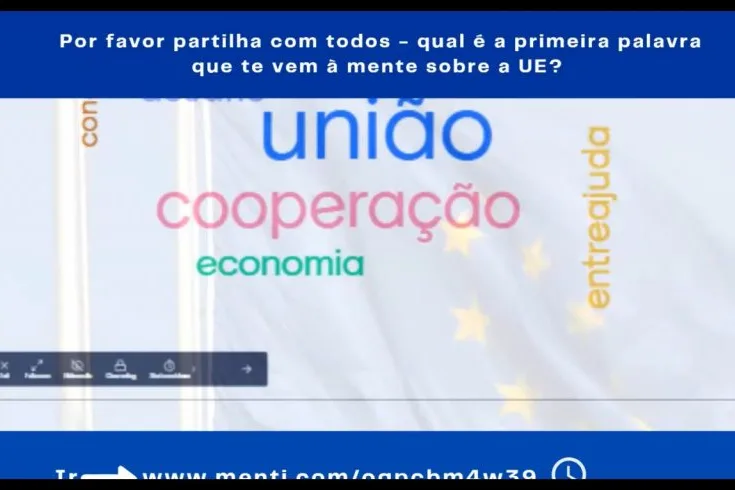
The word cloud was formed by words like “union”, “cooperation”, “economy”, “mutual aid”, “multicultural”, “human rights”, “development”, “challenge”, “connection”, reflecting mainly favorable perspectives about the EU. Following this initial brainstorm, we’ve challenged the students to test their knowledge about the history of the European project through a quiz. These first activities aimed to set the floor for the debate about the current state of the EU and its future.
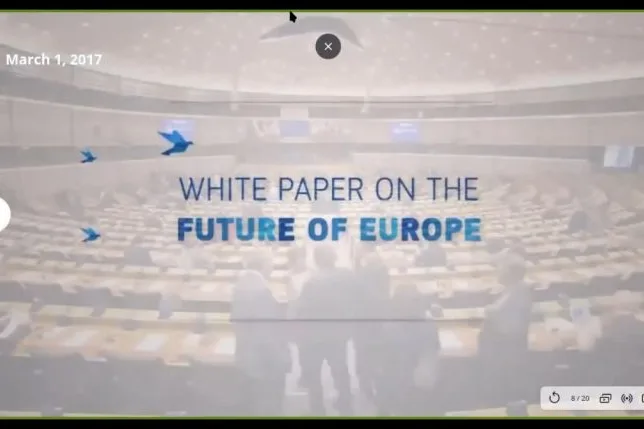
After the quiz results were shared with the participants and commented by students and facilitators, we’ve started the collective reflection about the future of Europe with a short video and a presentation about the “White Paper on the Future of Europe”. In the two workshop sessions, the participants were divided in smaller groups with the task of choosing and debating one of the scenarios and sharing their perspectives. Each group had a facilitator to mediate the discussion.
The conclusions of the group work were presented by the group’s representatives and a debated followed with some comments from the facilitators. The students debated the 5 scenarios, with different perspectives emerging about how to overcome the challenges facing the European project.
For some students it’s important to focus on key areas to improve EU’s performance and therefore “do less more efficiently”, as for others the Union must strengthen its policies and institutions to deliver its current agenda. A third group of opinions was focused on a more ambitious EU that is able to do “much more together” namely, face climate change and health. This discussion was wrapped up with participants choosing, individually, the scenario they would prefer for the future of the European Union, a “citizens’ scenario“.
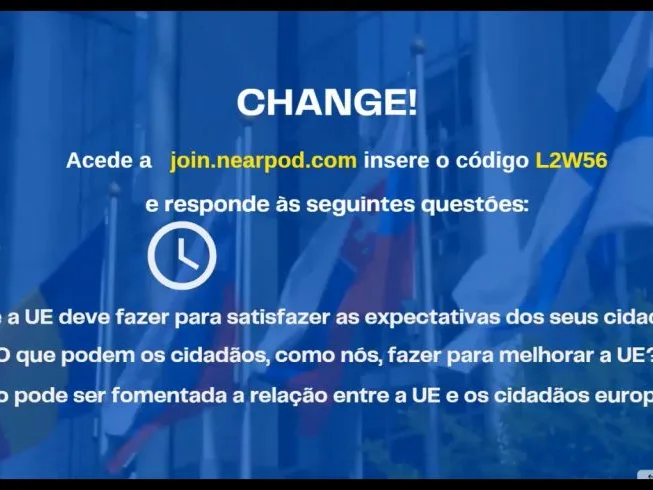
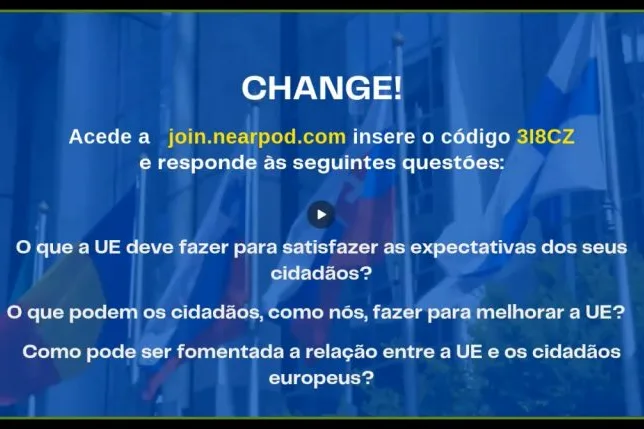
The group reflection was then oriented towards the relations between European institutions and European citizens namely, what should the EU do to respond to citizens’ needs? what can citizens do to improve the EU? how can the relationship between the EU and its citizens improve?
The students recommended the creation of better communication and participation instruments as well as more debate opportunities about European issues, underscoring the role of citizens in engaging with the institutions through the channels already available. They emphasized the need to continue to involve schools and universities in the discussions and promote a real understanding of what the EU really means.
In order to promote an informed and active citizenship, we’ve challenged participants to take part in the ChangEU Webcourse and share this easily accessible resource with others. We’ve also shared the current initiatives that allow citizens to shape the EU’s policies and the debate about its future namely the European Citizens’ Initiate and the Conference on the Future of Europe.
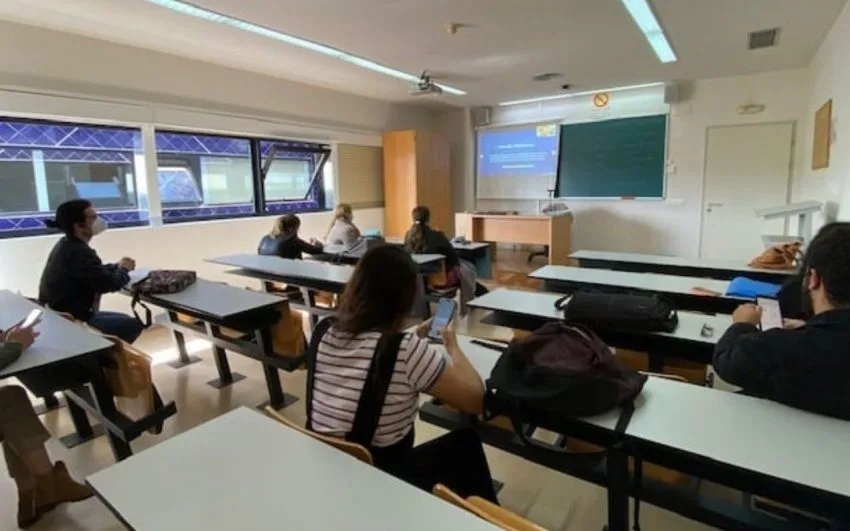
On 12 April, the workshop “Five Scenarios for the Future of Europe” was promoted in collaboration with Camões I.P. and the University of Extremadura. This workshop was organized after an invitation from a Professor and a class of students of Portuguese language at the University of Extremadura. The event involved 14 citizens, including 9 participants from the city of Badajoz, Extremadura, Spain, and 5 participants from the city of Lisbon, Portugal, having been an extra dissemination event. This hybrid workshop was conducted in a mixed format as part of the group was gathered in person at the university classroom at Extremadura and another part was online from Portugal.
The session started with a brief project presentation by the project partners and an overview of the workshop goals. The first activity was the word cloud formed by the words students’ associate with the European Union. The word cloud included words like union, culture, peace, economy, summits, aid, progress, Council of Europe, multicultural. Following the word cloud we challenged students to test their knowledge about EU’s history through a quiz, introduced by a short video.
After the first two introductory activities, we moved to the key theme of the session, the present and the future of the European project. We’ve introduced the debate with a video and a short presentation with key information about the “White Paper on the Future of Europe – Five Scenarios”. Students were then invited to organize in small groups, choose one of the scenarios and debate its pros and cons, with support from the workshop facilitators.
After the discussion, the groups’ representatives shared their reflection about the scenarios for future of the EU. For one of the groups, scenario 5, represents the utopia they associate with the European Union but they also consider it to be very difficult to achieve as European countries have diverse historical and cultural backgrounds and socioeconomic conditions. This is, according to the group, a great challenge to a more ambitious political union able to do more in more areas. In this case, the group considered that its important to keep the support to the social movements fighting against all forms of discrimination.
Other group of participants considered that Europe could move forward at different speeds, allowing countries that want to do more, to do it. The group also identified some risks in this option, namely the power differential between richer and poorer countries that could block those who wish to do more.
For a third group, the scenario 4, to do more in specific policy fields, would be the most interesting as it would allow the EU institutions to be more efficient in key sectors like the environment and the digital transition, promoting initiatives to reduce emissions and protect citizens’ data privacy
After the group work we’ve proposed students to individually vote on their favourite scenario for the future of the European project.
The next group of workshop activities were focused on the relationship between the EU and European citizens. Students were invited to present suggestions of ways to improve EU’s response to citizens’ needs, bring EU institutions closer to the people and also reflect on how citizens can contribute to the European project.
Participants highlighted the importance of greater economic equality in all European countries, improve citizens’ knowledge about EU’s activities, bring the EU institutions closer to citizens, promoting cultural development and mutual respect.
The third part of the session was focused on motivating participants to continue their involvement with European issues. With this purpose in mind we’ve presented two important EU initiatives, the European Citizens’ Initiative and the Conference on the Future of Europe, that aim to create spaces for European citizens to influence policies and reflect about the future of the European project. Considering the importance of an informed and active citizenship, students were also introduced to the e-learning training course on the European Union, ‘ChangeEU WebCourse’ that covers EU history, institutions and opportunities for citizens participation at the European level.
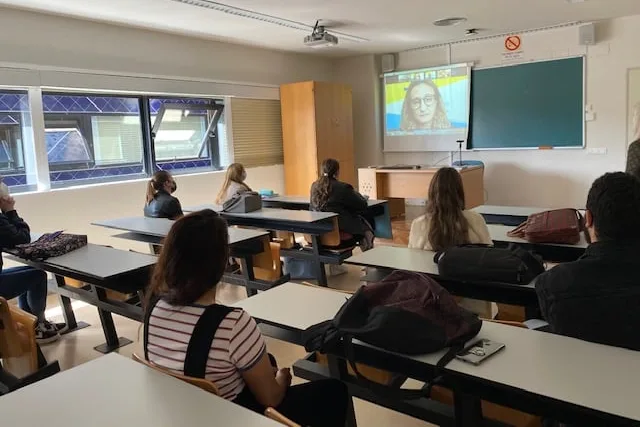
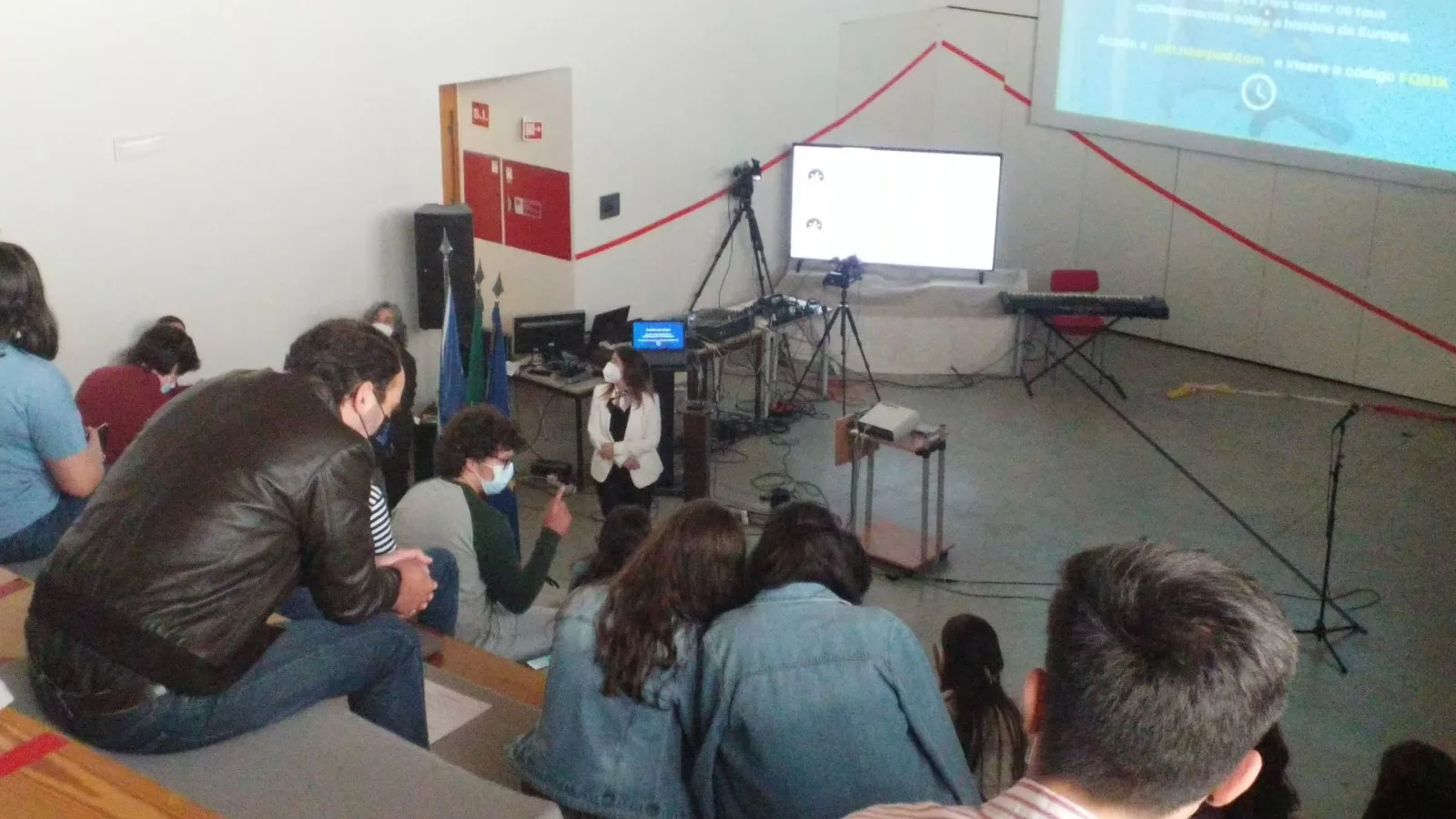
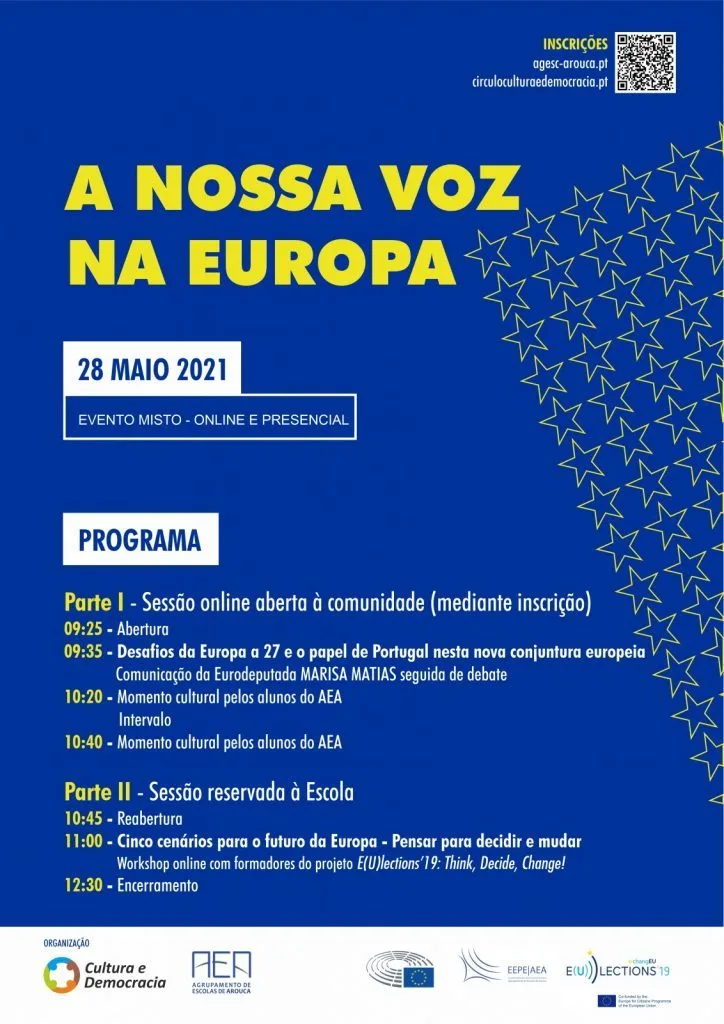
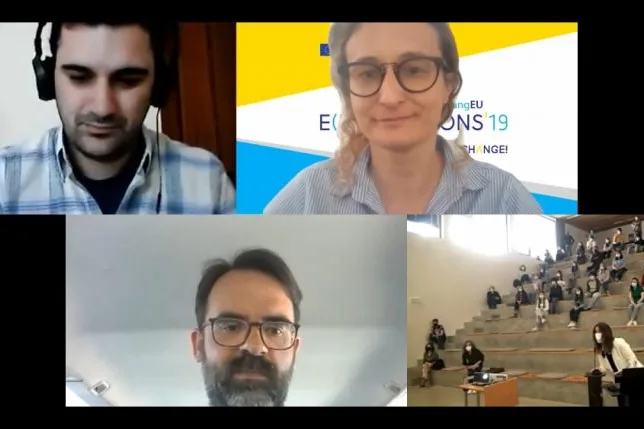
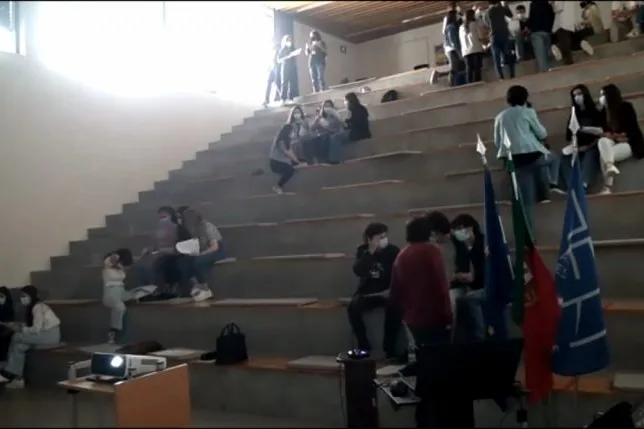
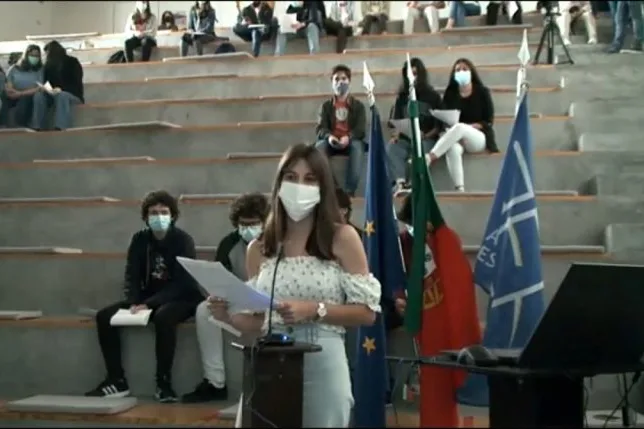
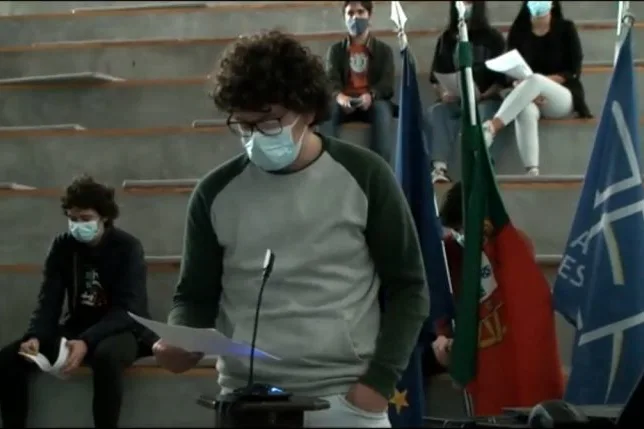
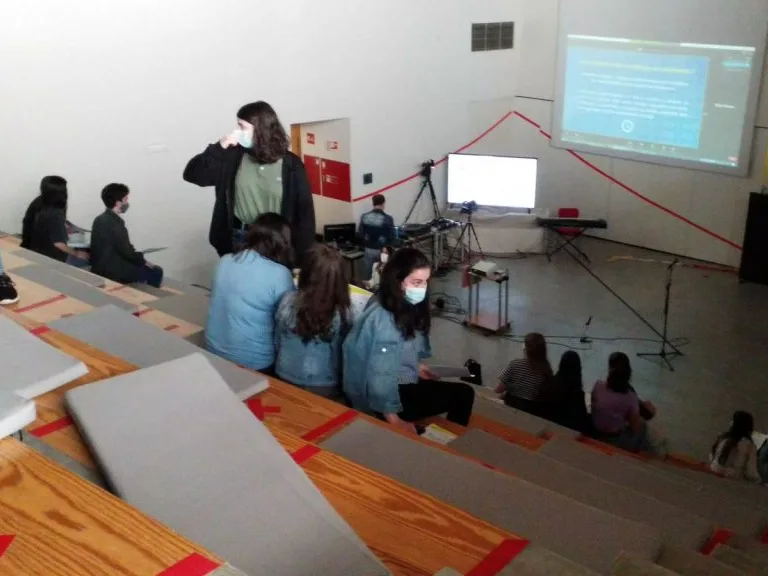
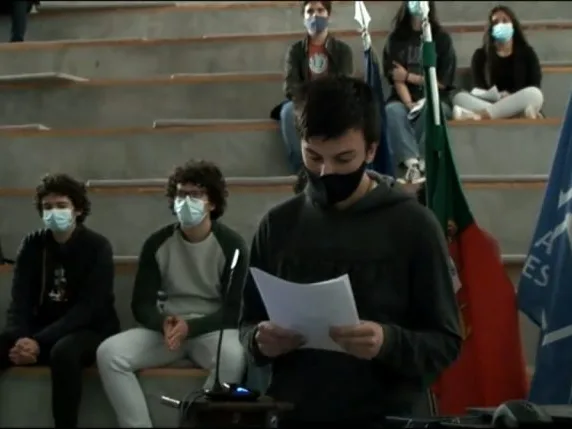
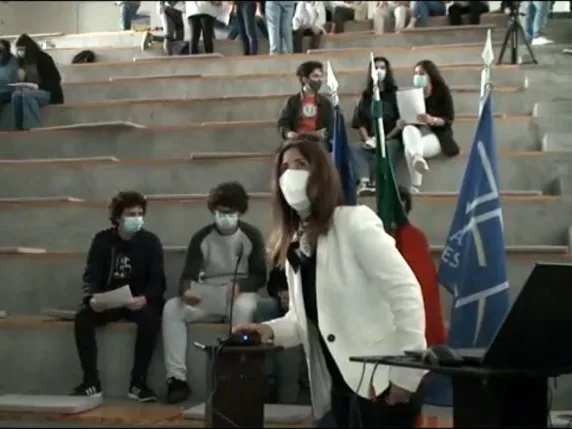
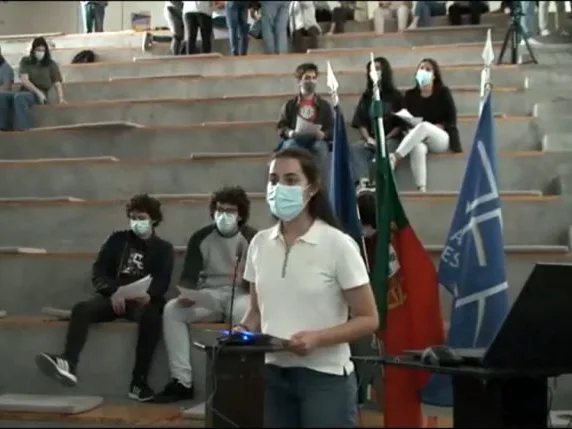
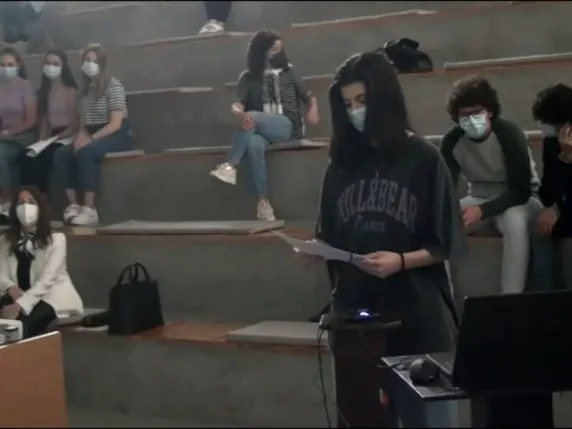
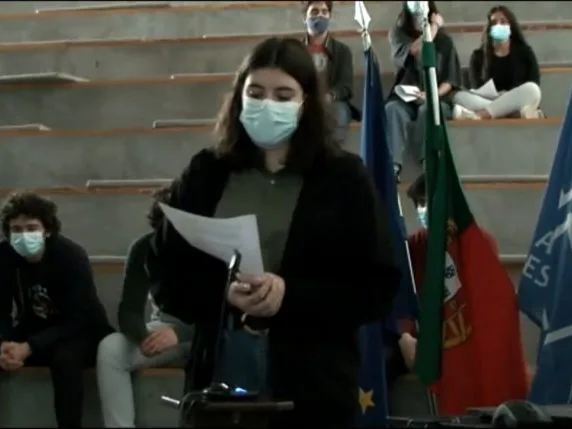
On May, 28, 2021, EULECTIONS’19 partners joined the Agrupamento de Escolas de Arouca (Arouca school group) and the Associação Círculo Cultura e Democracia ( Association Culture and Democracy Circle ) to debate Europe. The EULECTIONS’19 event was integrated in the programme of the initiative “A nossa voz na Europa” (Our voice in Europe) that involved various activities with students, teachers and members of the community. This was a hybrid event with a part of the participants online and the majority at the school’s auditorium, following the health and security protocols. The event involved 43 citizens from the city of Arouca, Portugal.
During the workshop preparatory activities, in collaboration with the coordinator teacher, students from secondary education classes were introduced to the project theme and to some key documents. This process allowed the group to have a greater familiarity with the questions to be debated during the session and hopefully motivated them to engage with European themes before the next European elections in which most of them will be first time voters.
The workshop started with brief presentations by all the entities involved and an overview of the EULECTIONS’19 project and the workshop. We then invited participants to use their mobile phones and share the first word they associate with the EU and test their knowledge of the history of the European project through an online quiz.
After the word cloud, where “union” took central stage, and a brief overview of EU’s history, we’ve moved to the discussion about its present and future.
The debate was introduced by a video and a short presentation about the “White Paper on the Future of Europe: Five Scenarios” followed by a group work. Participants were invited to organize in small groups, choose one of the five scenarios and reflect about its pros and cons. After the discussion, a representative from each group shared their main conclusions with the audience.
A group of participants considered that scenario 1, carrying on, would be the most suitable as it would ensure financial stability, improve the single market and respond to key strategic challenges in defence, security and the environment. In this scenario some EU challenges would remain unsolved, namely the difficulty to respond to urgent matters and to complex transnational problems due to member states’ diverse perspectives on those matters and some policy areas could be neglected.
Regarding the scenario 2, nothing but the single market, it could contribute to a more efficient market, improving competition and consumer choice but, at the same time, it would put at risk other policy areas that are important to EU citizens and also to the market.
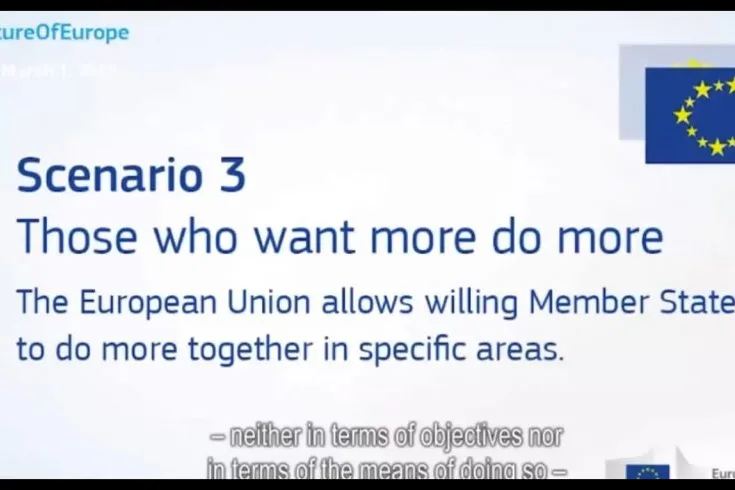
For the participants that reflected on scenario 3, those who want more do more, considered that it could have advantages on policy areas where some states agree that the Union should do more, like employment, research, industrial development, security and defence. In this scenario, the main risk would be the increase of disparities and differences within the Union.
The group of participants that debated scenario 4, doing less more efficiently, concluded that it would be beneficial to achieve more in key policy areas like industry, commerce, security and climate change.
Following the participants’ reflection about the most ambitious scenario, doing much more together, it would transform decision making processes, transferring national decisions to the European level. The Union would also be responsible for citizens rights in various areas. This scenario would have as a key risk, the alienation of national groups that don’t recognize EU’s legitimacy or that don’t agree with increasing EU institutions’ powers.
After the collective reflection, we’ve invited the participants to vote on their individual preferred scenario for the future of Europe.
Following the debate about the scenarios for the future of the EU, the session was focused on ways to improve the relationship between European institutions and European Citizens. We’ve presented 3 questions to participants and invited them to brainstorm on 1) What can the Eu do to respond to its citizens’ needs? 2) What can citizens do to improve the EU? 3) How can we improve the relationship between the EU and European citizens? The suggestions presented were mainly to find ways to improve the union and cooperation between member states, listen to citizens’ perspectives and understand their real needs, provide more information about the Parliament’s discussions, increase opportunities for cooperation with citizens in an active and productive way.
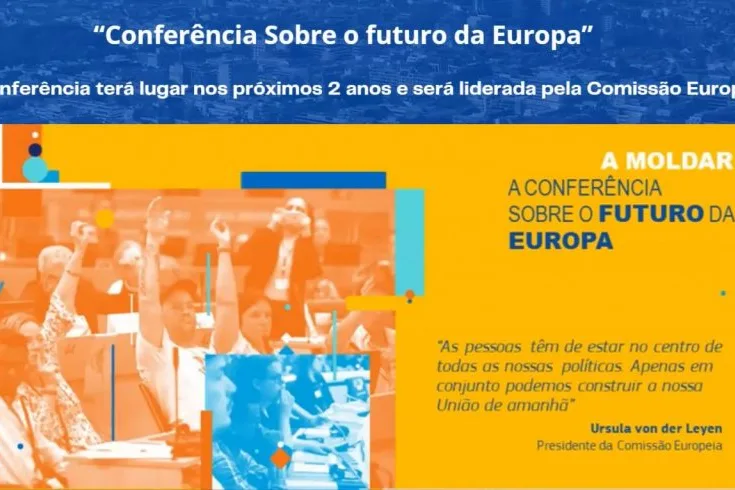
Following the main discussions, we’ve shared with the participants two key EU initiatives through which they can take part in the shaping of the European project, its present and future, the Conference on the Future of Europe and the Citizens’ Initiative. Participants were also invited to keep learning about the EU and citizens’ participation through the ChangEU Webcourse.