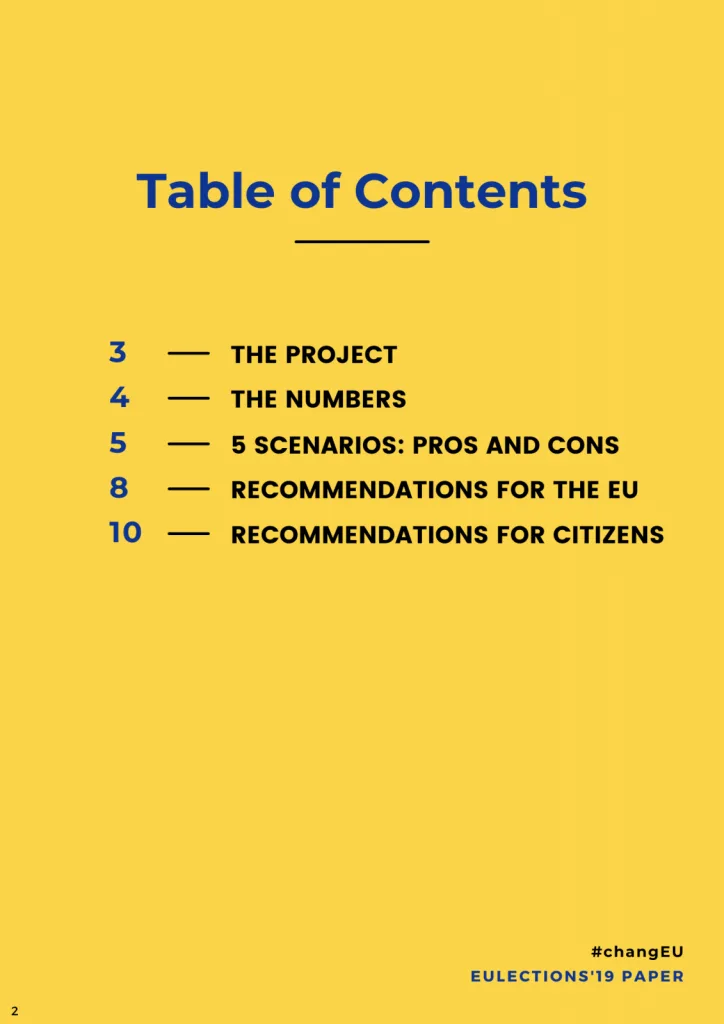
EULECTIONS’19 has developed an online course about EU’s history, its institutions and the instruments available for citizens’participation. Check the programme.
EULECTIONS’19 has developed an online course about EU’s history, its institutions and the instruments available for citizens’participation. Check the programme.
The initiative on the Conference on the Future of Europe was approved by the Council of the European Union (EU), now under the Portuguese Presidency.
First announced in the end of 2019, this joint declaration of the Council, the European Parliament and the Commission aims to involve citizens in the debate on Europe’s future in the coming decade and beyond, including in the light of the COVID-19 pandemic. In order to give citizens a stronger voice, a series of events will be organised by the three institutions, where citizens will have the opportunity to express their views on different issues and areas.
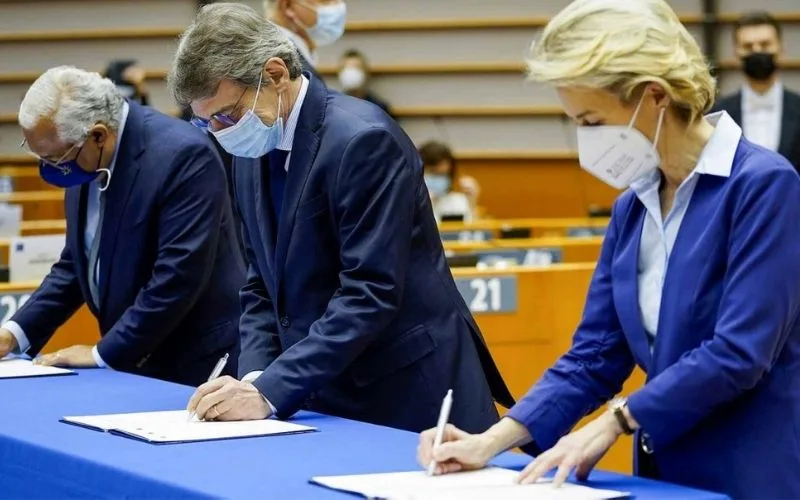
On 10 March, took place the signature of the joint declaration by the Presidents of the European Parliament (David Sassoli), the Council (António Costa) and the European Commission (Ursula Von der Leyen).
You can watch the signing ceremony here.
Photo source: Eudebates.tv
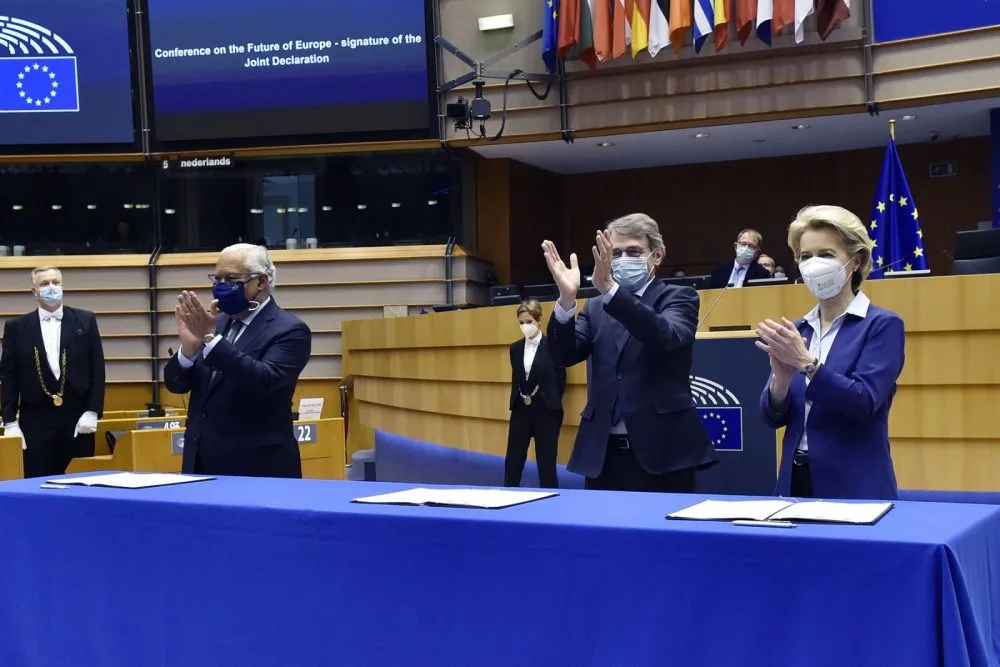
After the signature of the joint declaration on 10 March, the work on the Conference on the Future of Europe has officially started. The Executive Board of the Conference on the Future of Europe, composed of representatives from the three institutions (European Parliament, Council and Commission), held its constitutive meeting on 24 March in Brussels.
As the Commission’s statement reads: “In this first meeting, the Executive Board agreed on a series of essential items needed to get the Conference started. They took the first steps to ensure that citizens can soon start to contribute to the Conference without delay, in particular on the multilingual Digital Platform, including the Charter for citizen’s participation and the visual identity.”.
As for next steps, the Executive Board will convene again on 7 April in the European Parliament and the Digital Platform will be launched on 19 April.
Read more about it here.
Photo via Europarl
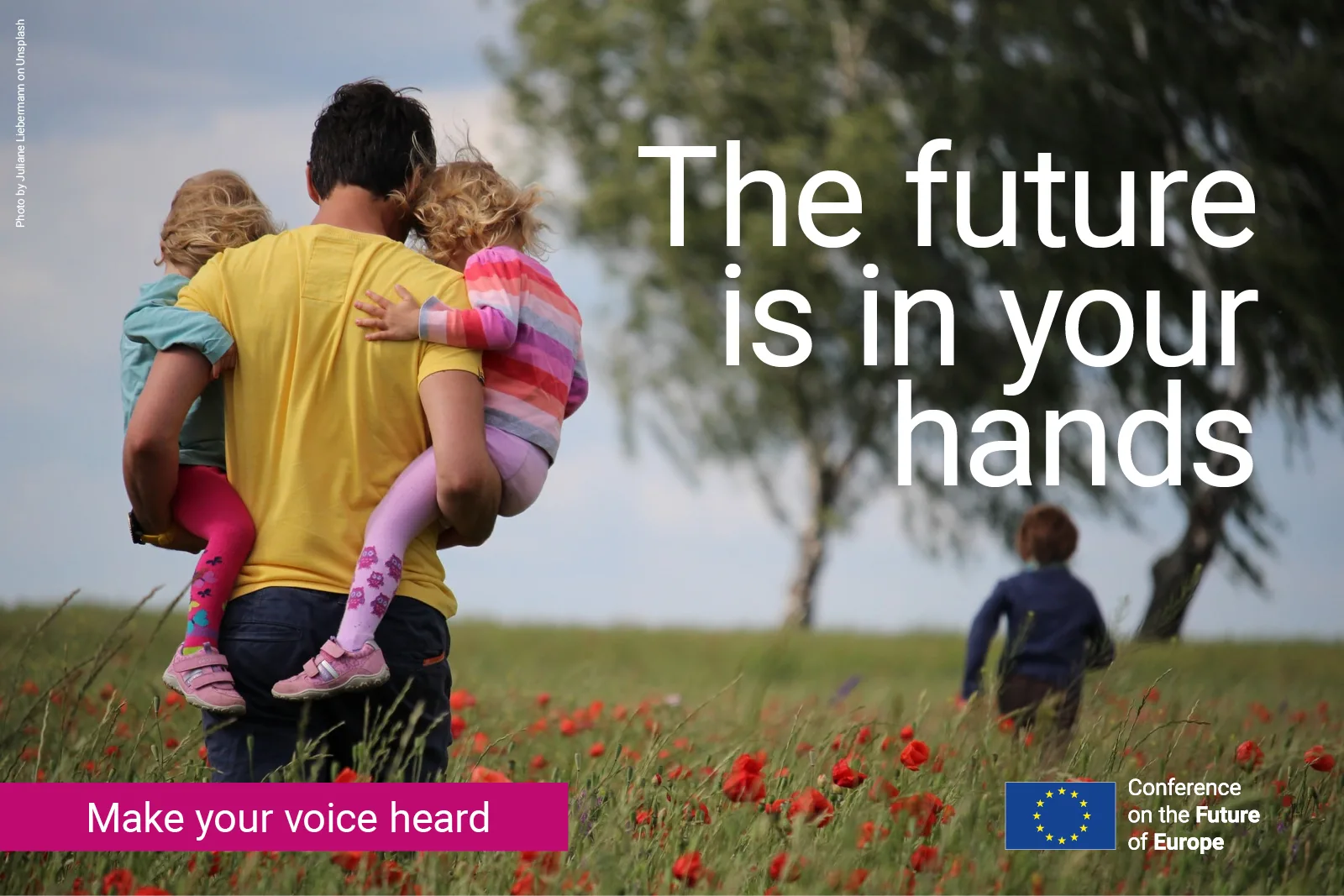
The Digital Platform, in the framework of the Conference on the Future of Europe, was officially launched on 19 April.
After the last month was highlighted by the signing of the joint declaration (10/March) and the constitutive meeting (24/March) by the Executive Board of the initiative, it was time for the launch Digital Platform for the Conference on the Future of Europe . Available in 24 languages, the platform is presented as “the hub of the Conference on the Future of Europe”, where EU’s citizens have the “opportunity to speak up, to say what kind of Europe you want to live in, to help shape our future”.
As mentioned in the Commission’s press release, this tool is organized around “key topics: climate change and the environment; health; a stronger and fairer economy; social justice and jobs; EU in the world; values and rights, rule of law, security; digital transformation; European democracy; migration; and education, culture, youth and sport”; also complemented by “an ‘open box’ for cross-cutting and other topics”.
Know more about the Digital Platform here.
Photo via Europal
Watch the video of the online roadshow in Portugal. It includes a summary of the different activities that have been carried out over the past year in an online or hybrid format in Lisbon, Azores, Coimbra, Arouca. It also shows the dissemination event promoted with the University of Extremadura, Spain.
You can watch other EULECTIONS’19 videos on Youtube to know more about the project’s activities in Portugal, Italy and the Netherlands.
EULECTIONS’19 partners have produced a policy paper with key information collected during the project’s events. It summarizes citizens’ perspectives about the future of Europe, the pros and cons of the 5 scenarios and how the EU can improve its relations with Europeans.
About the policy paper
This report presents the main reflections produced by the many participants of different nationalities who, over the last two years, have taken part in the various activities promoted within the framework of this project. In such events, which varied in format over time, they had the opportunity to think about the current state of the European Union, their European citizenship, and to reflect on the future of Europe. Apart from this introductory part, which briefly presents the project, the document is divided into two main parts. In the first, there is a summary of the main pros and cons associated with each scenario of the ‘5 Scenarios for the Future of Europe’ – considerations taken from all the presentations and conversations held in the different countries. In the second part, which is in turn divided into two parts, it is possible to give an account of the main recommendations for the EU on the one hand, and on the other hand, recommendations for the citizens themselves. Both produced throughout the different activities, completed with direct quotes from the participants and the place where those events took place.
Consult the policy paper here.