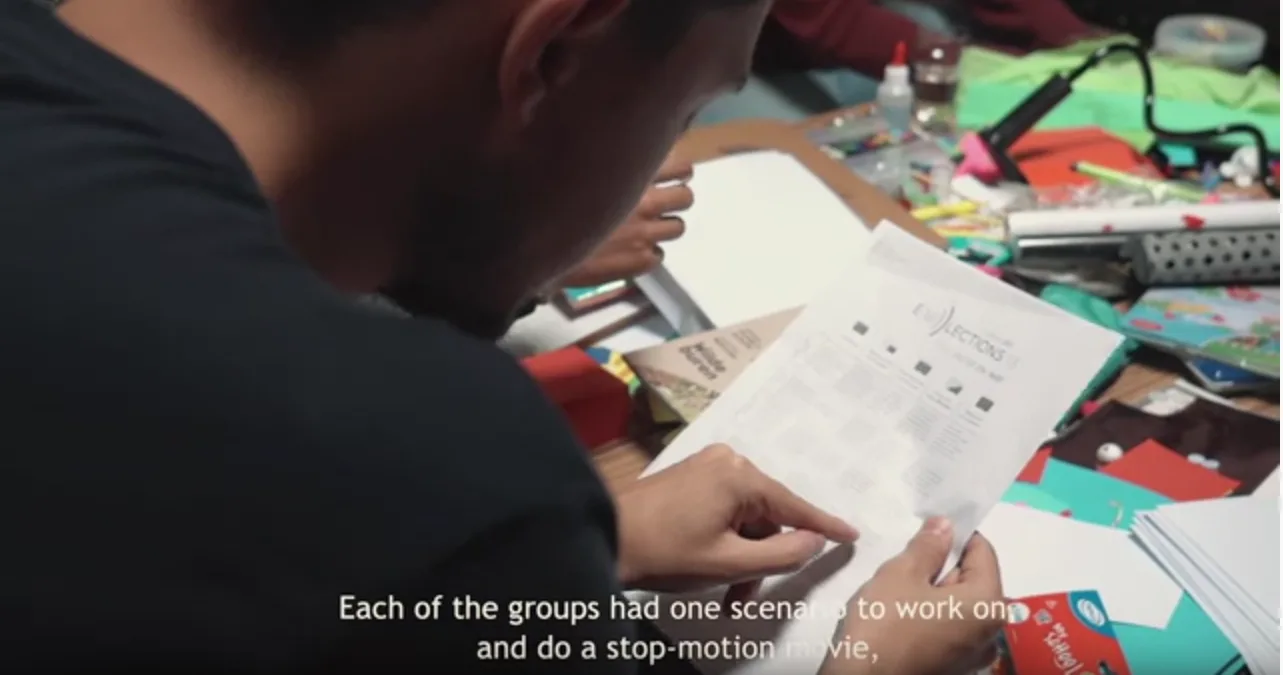
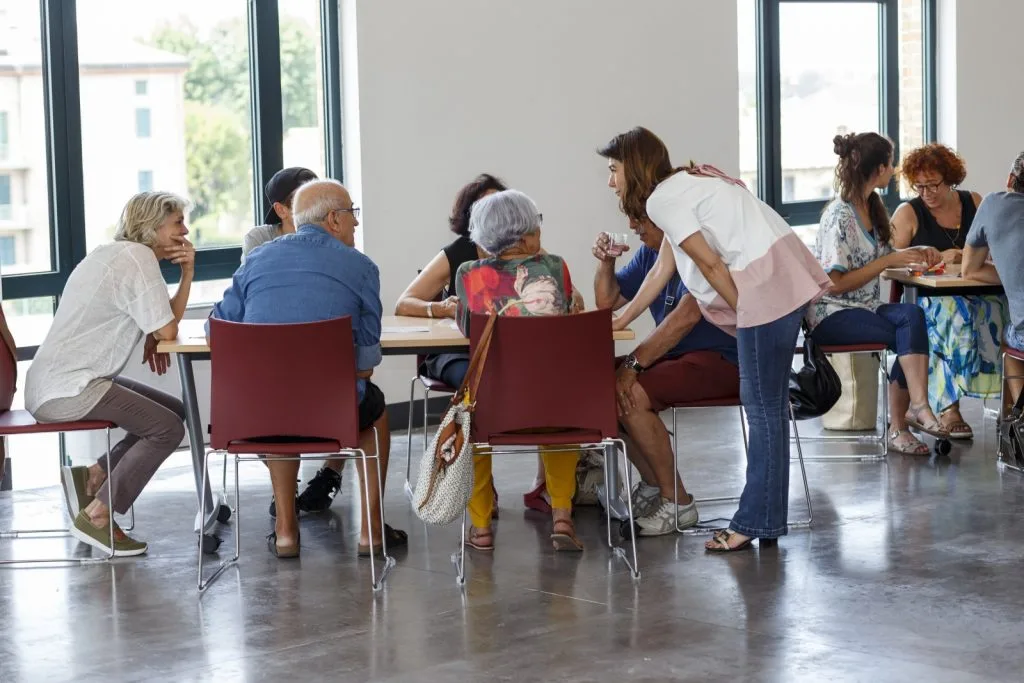
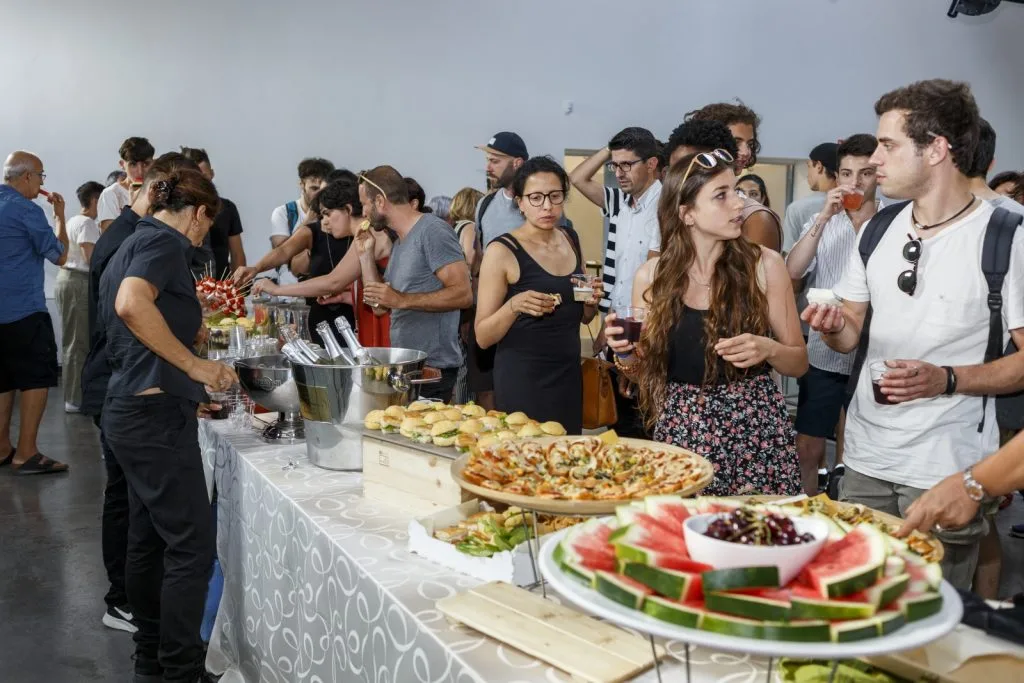
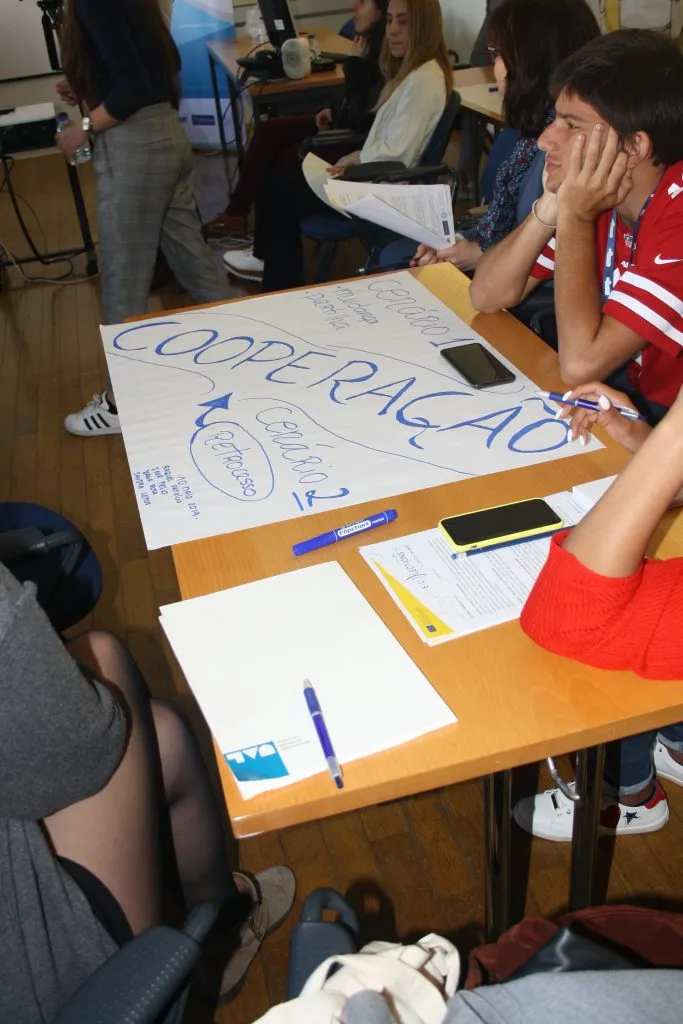
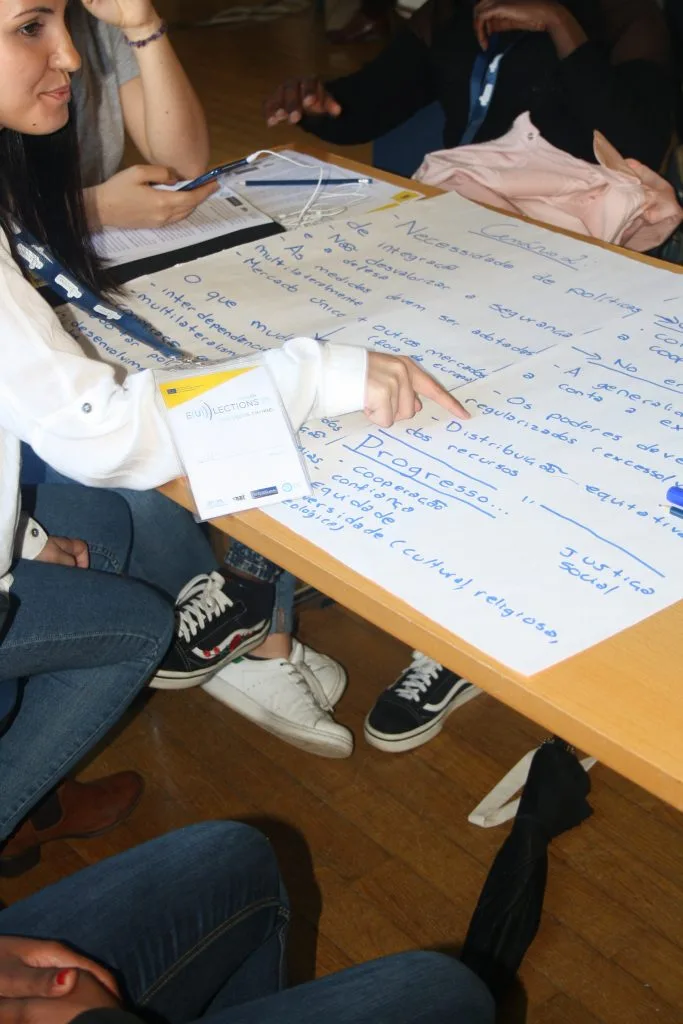
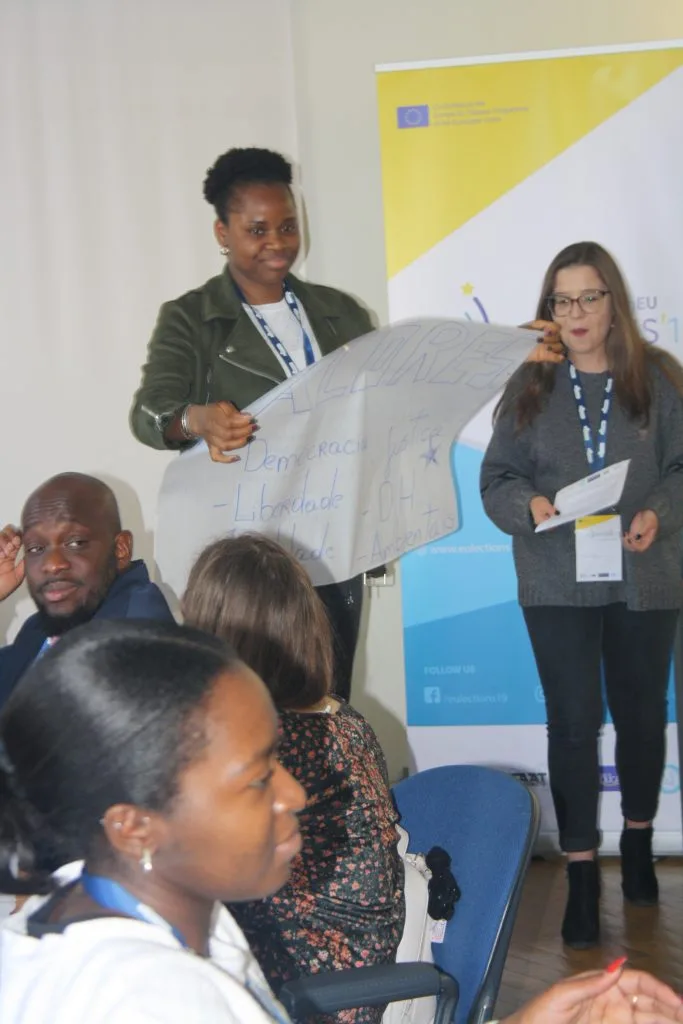
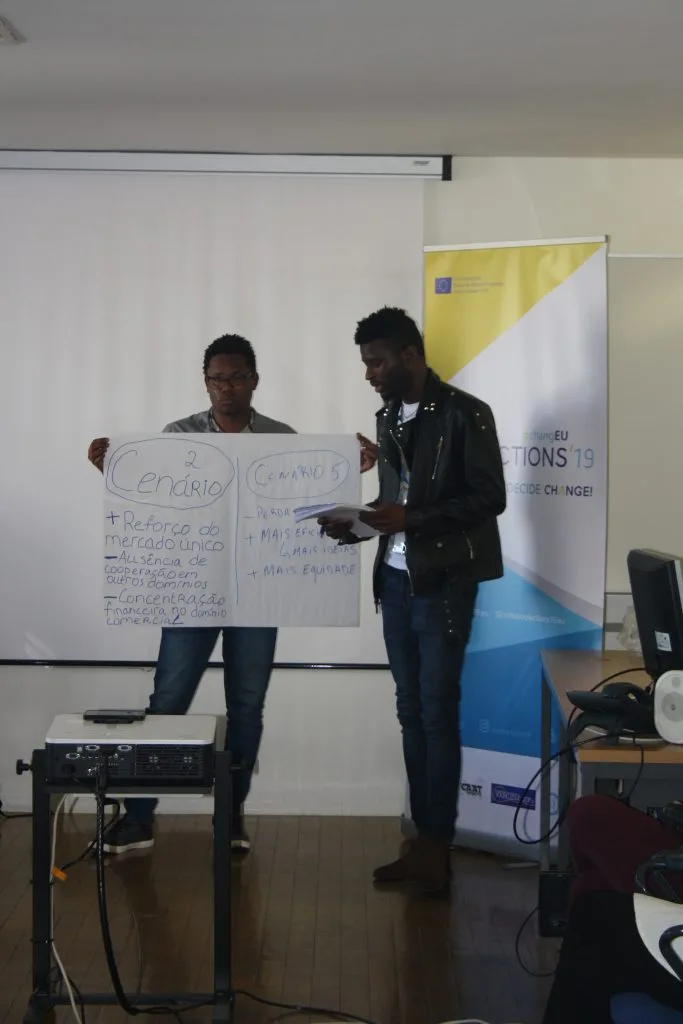
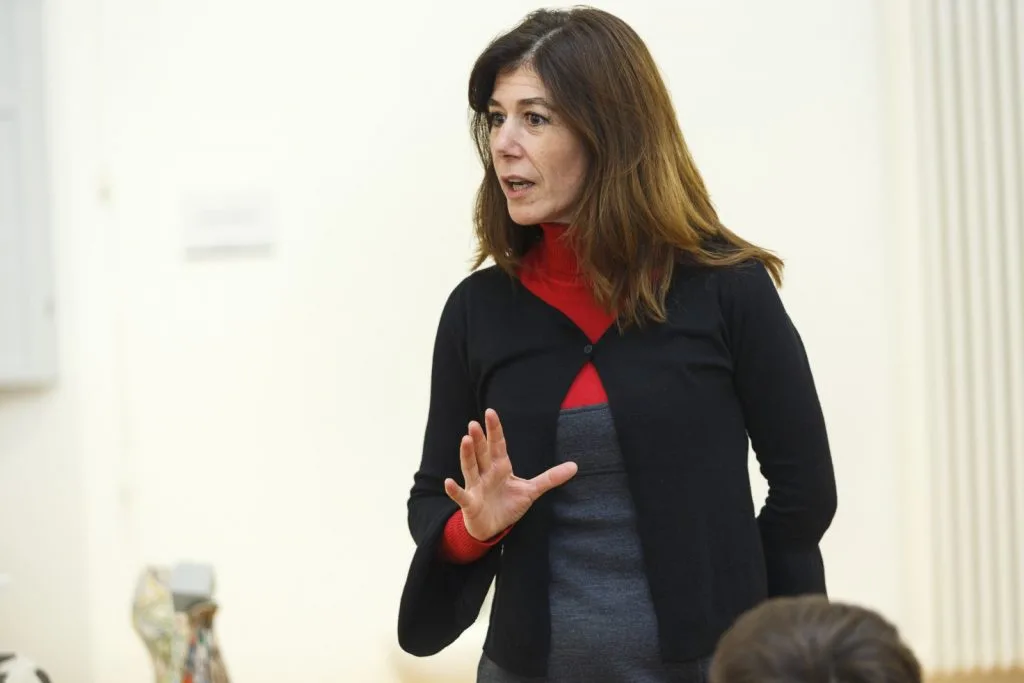
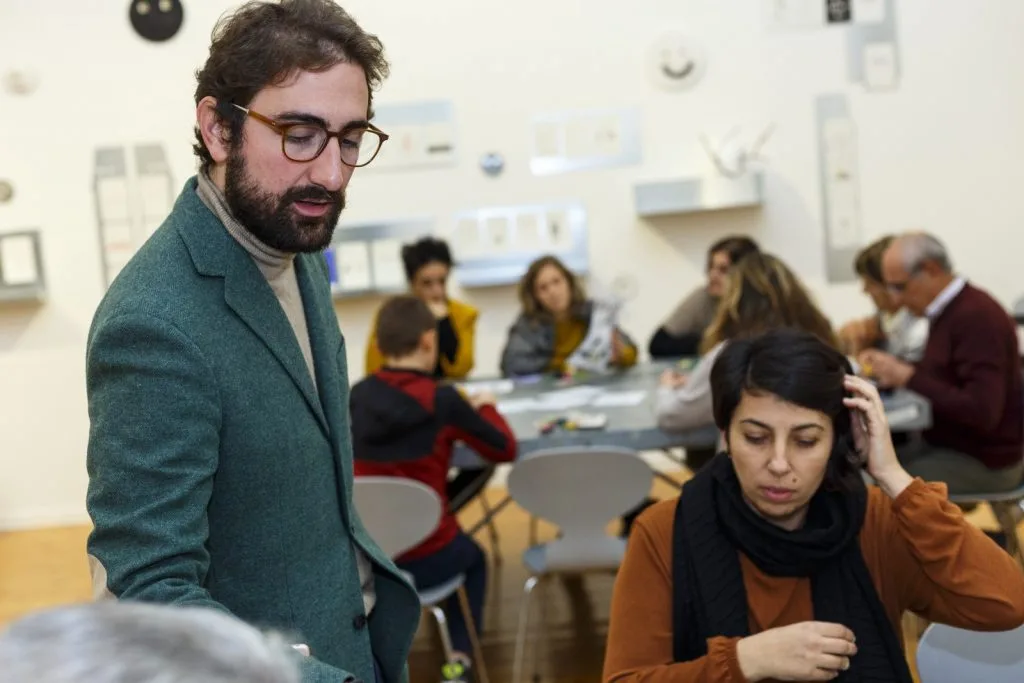
On the August, 11, 2019, in Orvelte, the Netherlands, a group of 37 people came together to discuss the future of the EU, youth challenges, and express themselves using stop-motion animation tools. The event involved 37 citizens, including 7 participants from the city of Orvelte, The Netherlands, 6 participants from the city of Rome, Italy, 6 participants from the city of Brussels, Belgium, 7 participants from the city of Warsaw, Poland, 6 participants from the city of Bucharest, Romania, 5 participants from the city of Riga, Latvia.
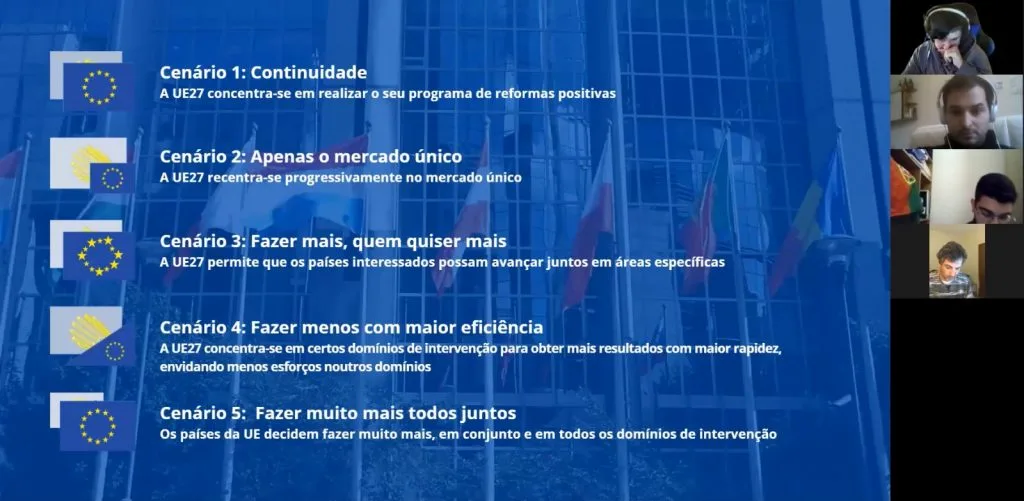
Having as reference points the 5 future scenarios put forward by the European Commission, the discussion was centered on the difference between East and Western Europe in terms of purchase power, economic systems, mindsets and opportunities. The group agreed that something has to be done to reduce the gaps that separate EU member states and after that, countries could work together from a more balanced power status to find the better alternatives to their challenges. Even if for some the last scenario – Doing much more together – was appealing, it seems that some preparatory work on develop the poorer countries from the East side of Europe should be done first.
“we believe that we cannot always solve our issues just by being alone, we need to share…”
This event took place on the June, 3, 2019 in one of the high schools of Lugo and we counted on 72 participants (71 participants from the city of Lugo, Italy, 1 participant from the city of Lisbon, Portugal), mainly students, teachers, and staff of the school interested in the method and to the project. The participants were from two different high school courses: humanistic and technical, and students of the last two years of high school.
This was the first event of the Emilia-Romagna tour and all of us were excited: Flaminia staff, students, teachers, and trainers. The introduction of the workshop was dedicated to the White Paper of the Future of Europe 2025, the methods, and the goals of the project.
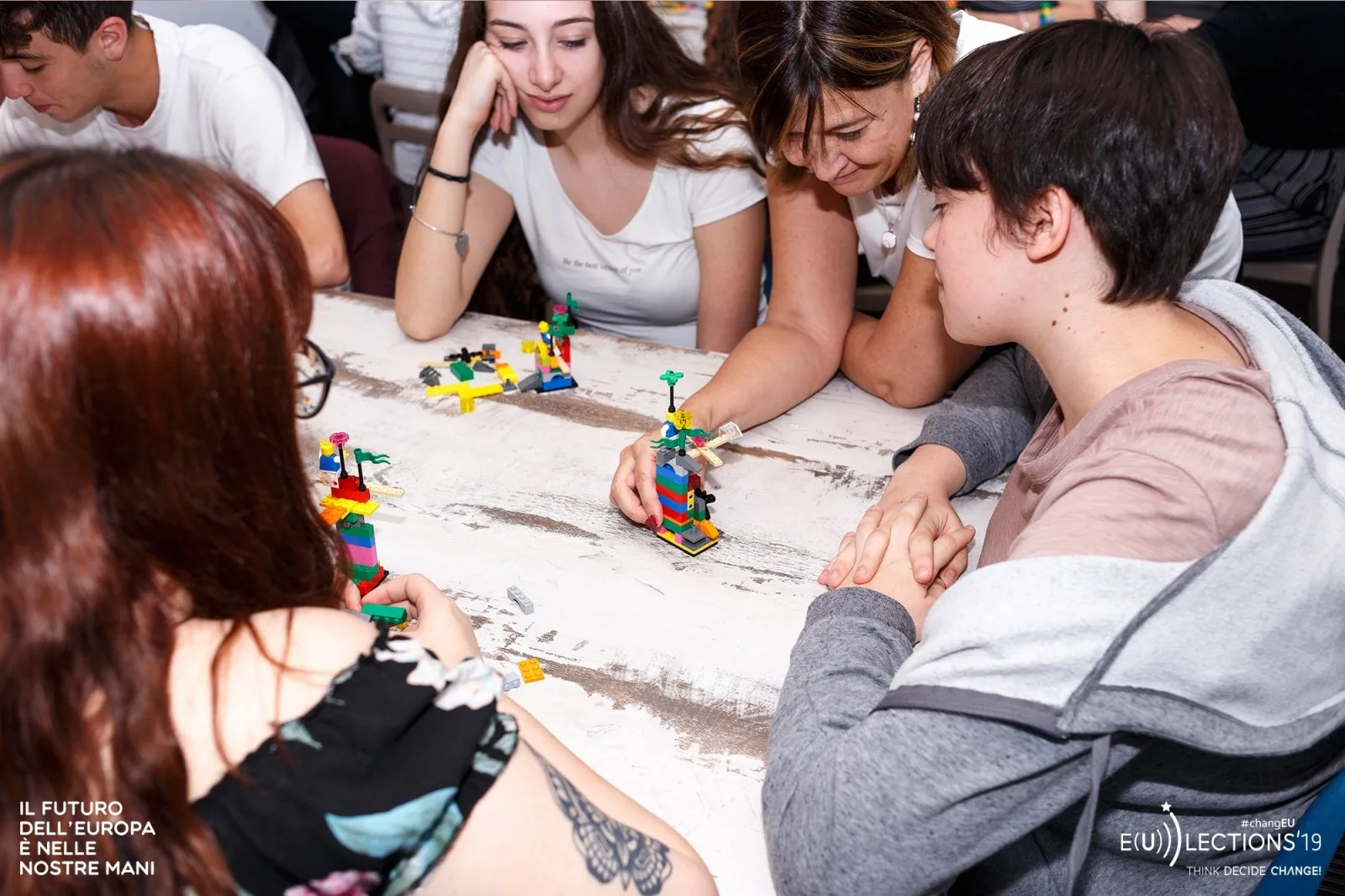
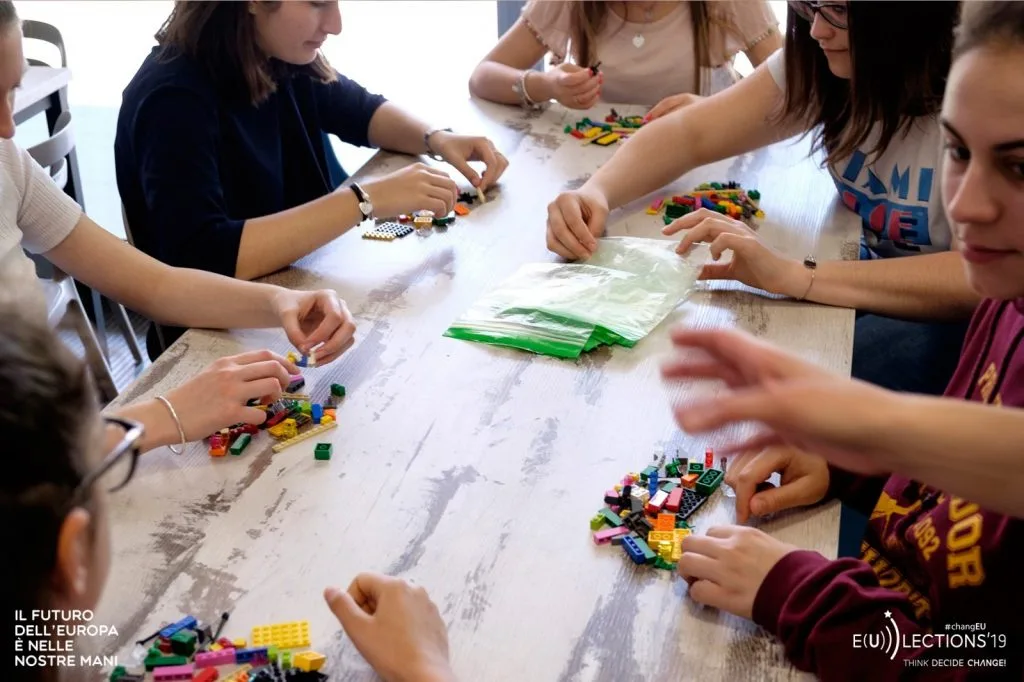
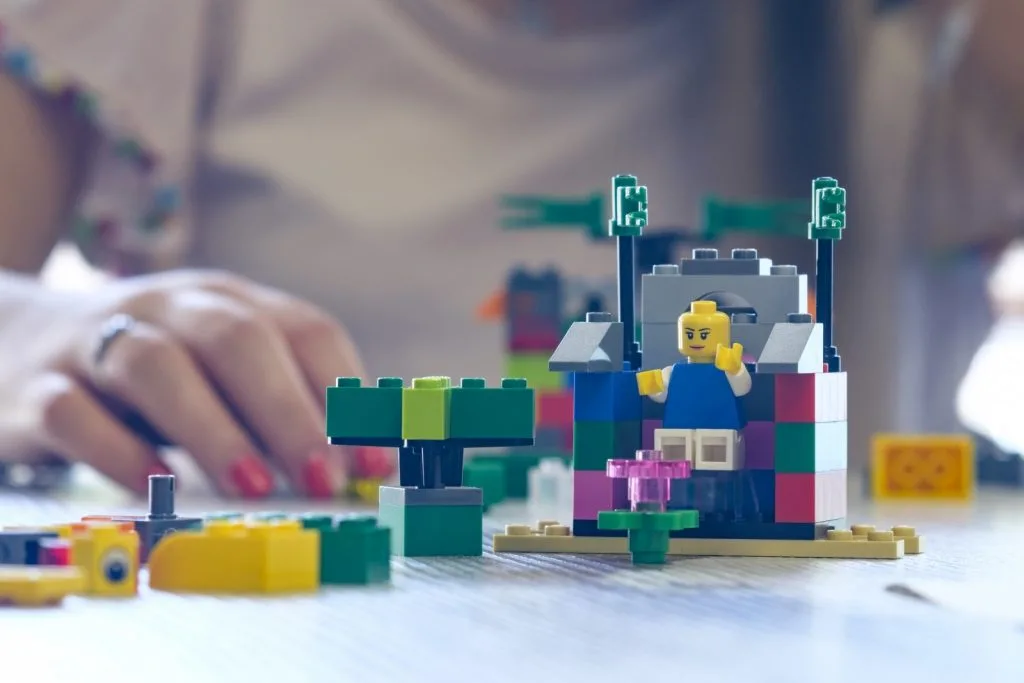
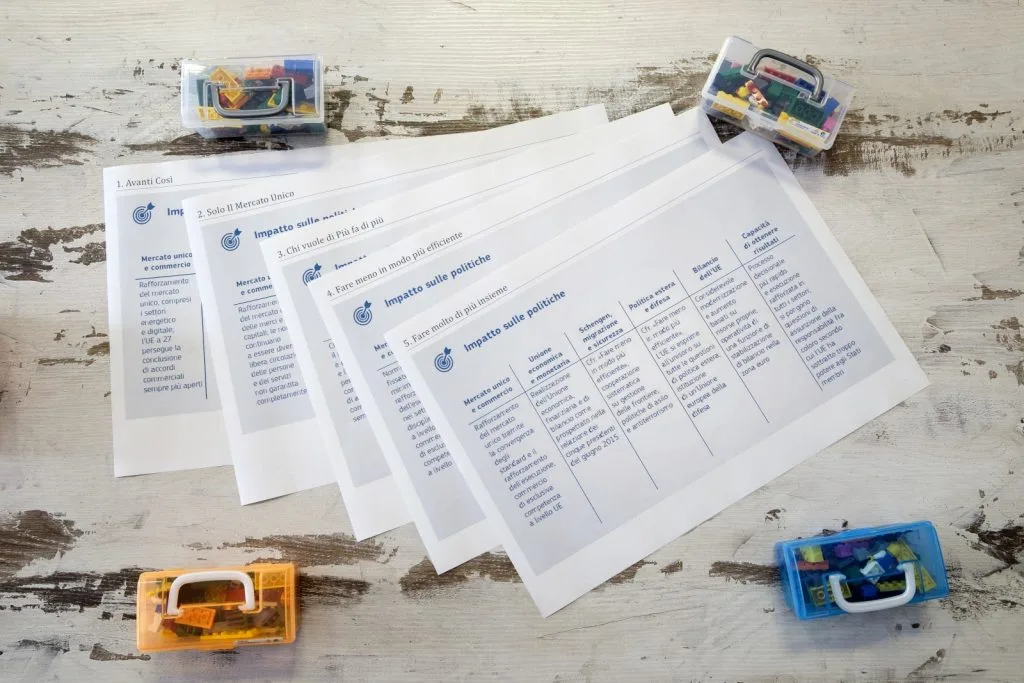
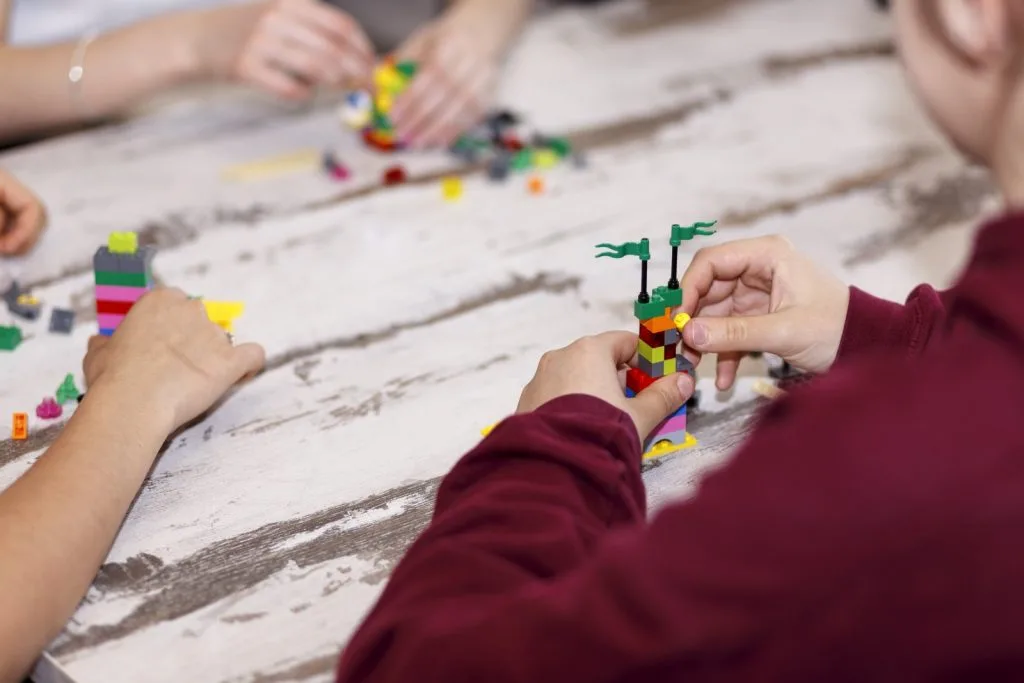
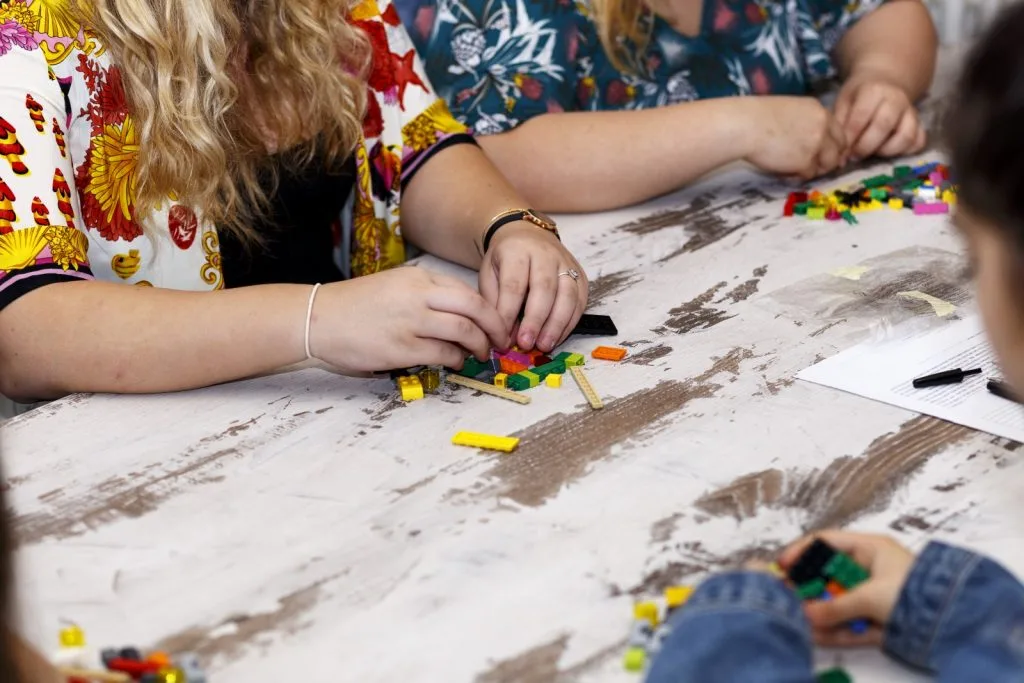
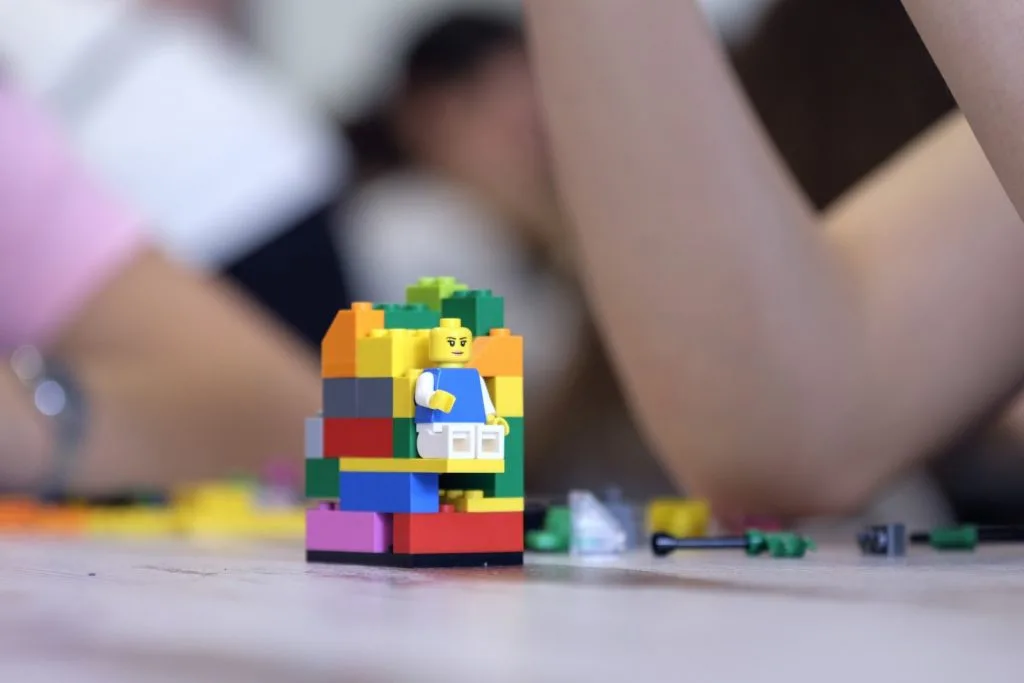
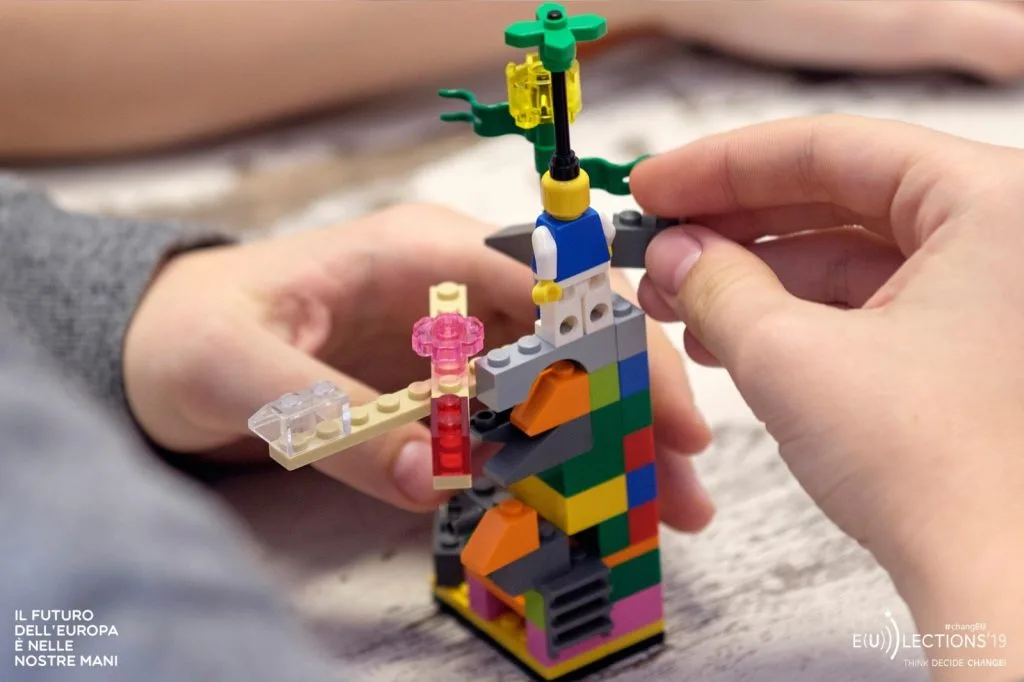
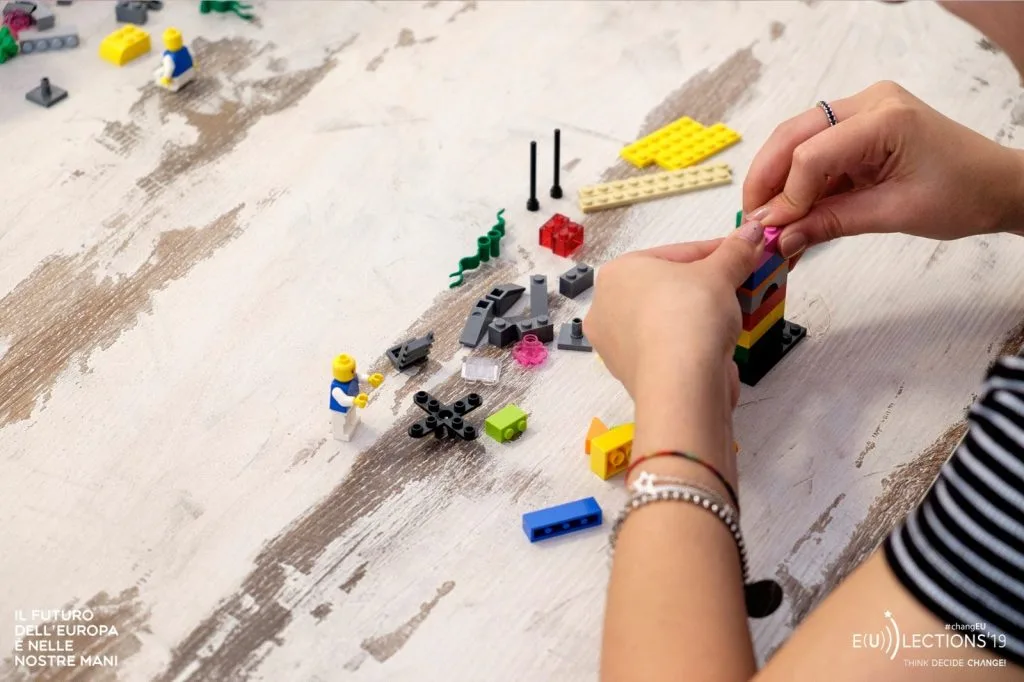
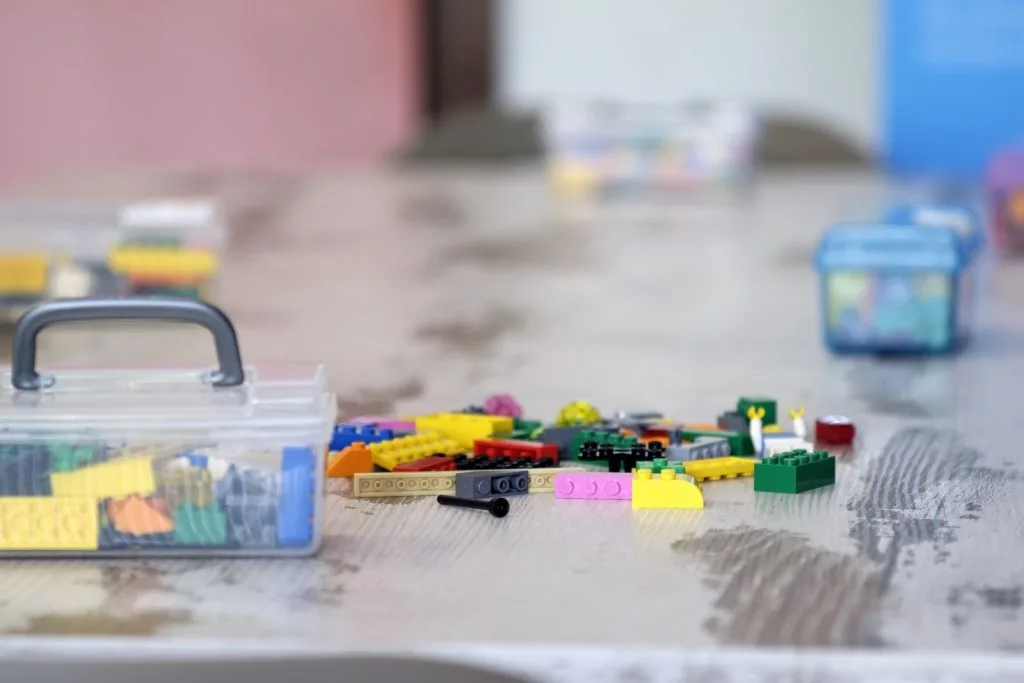
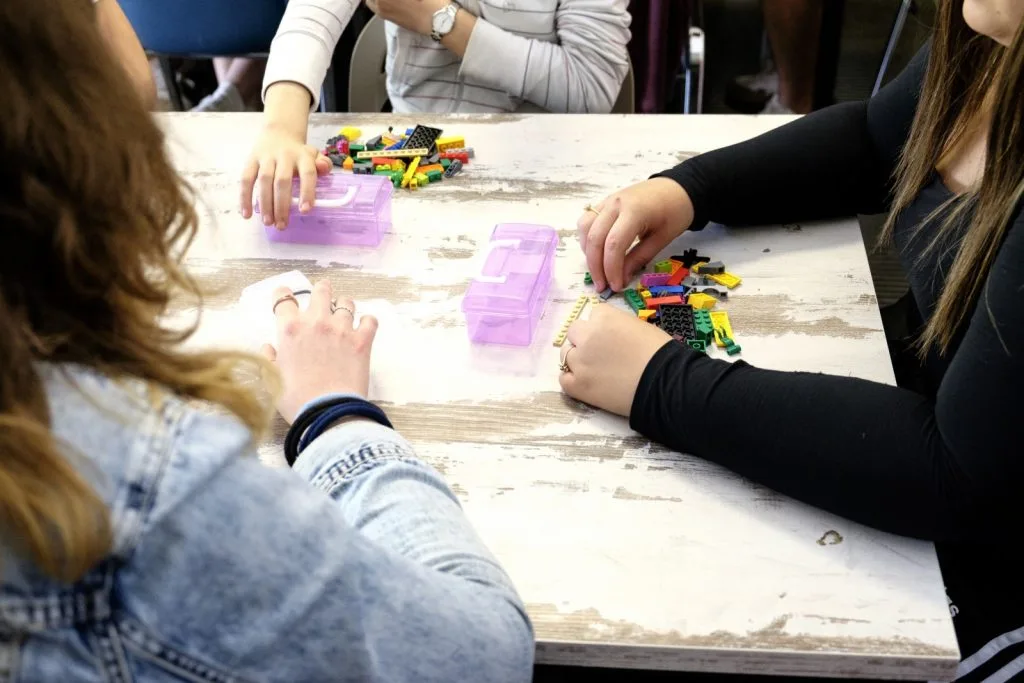
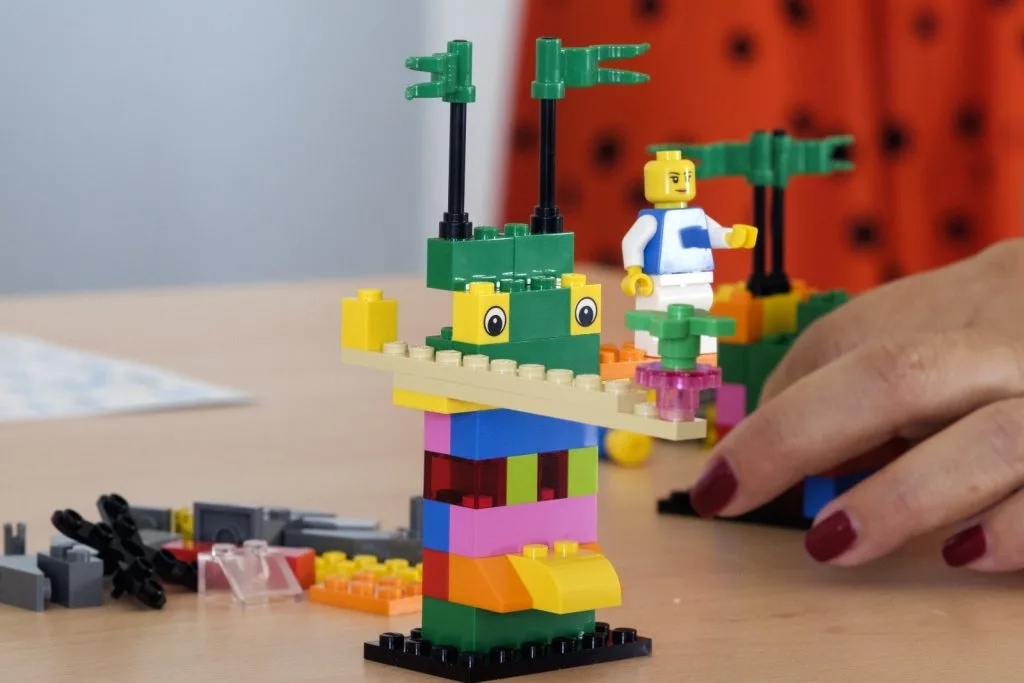
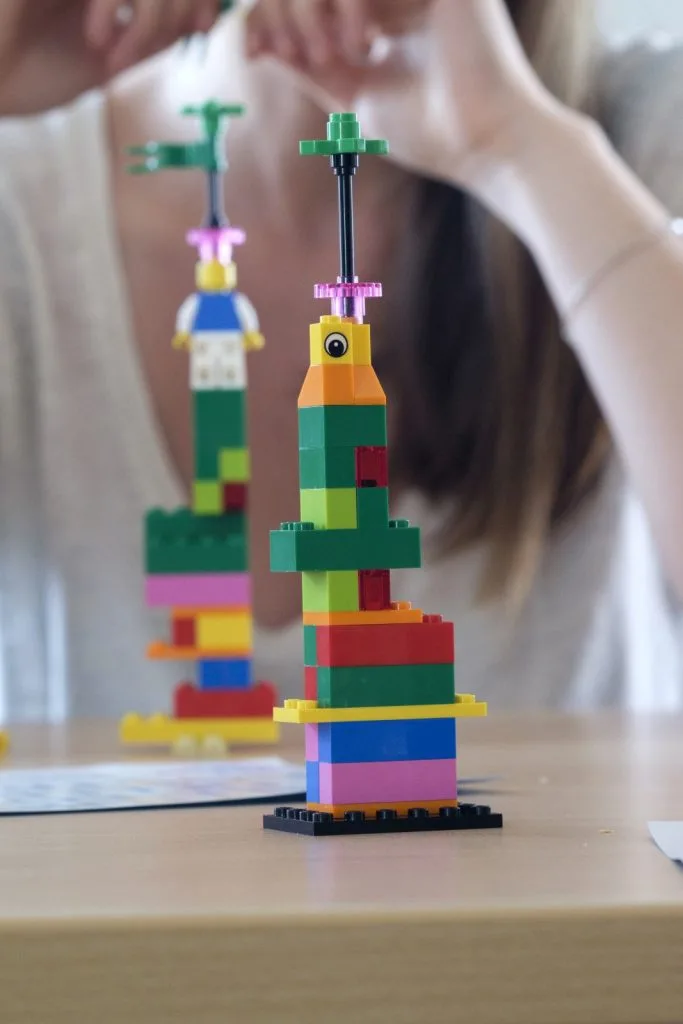
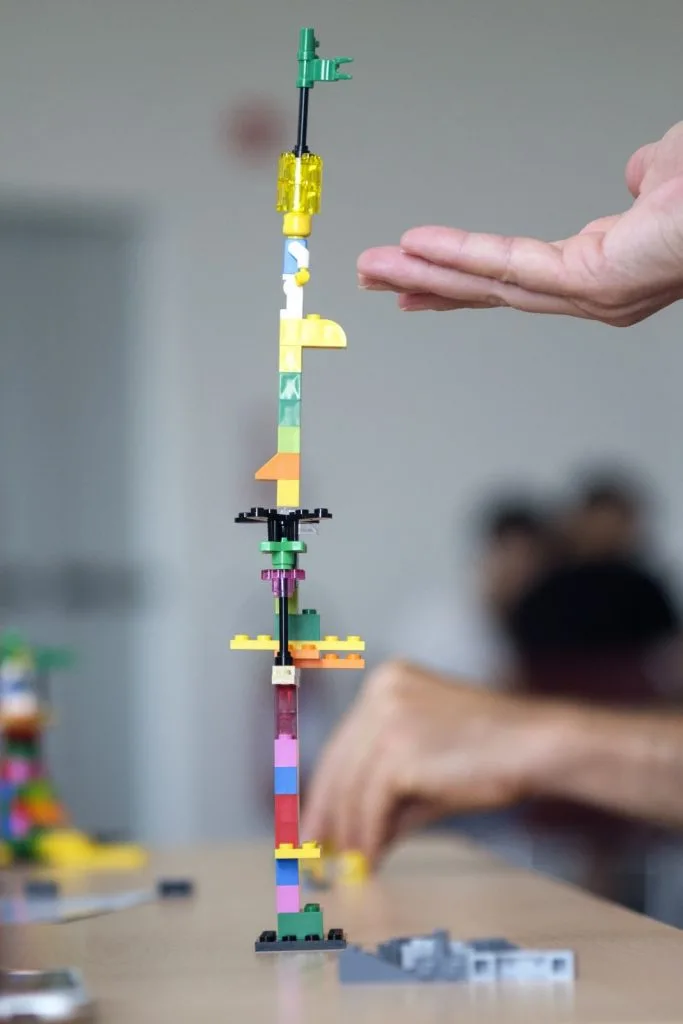
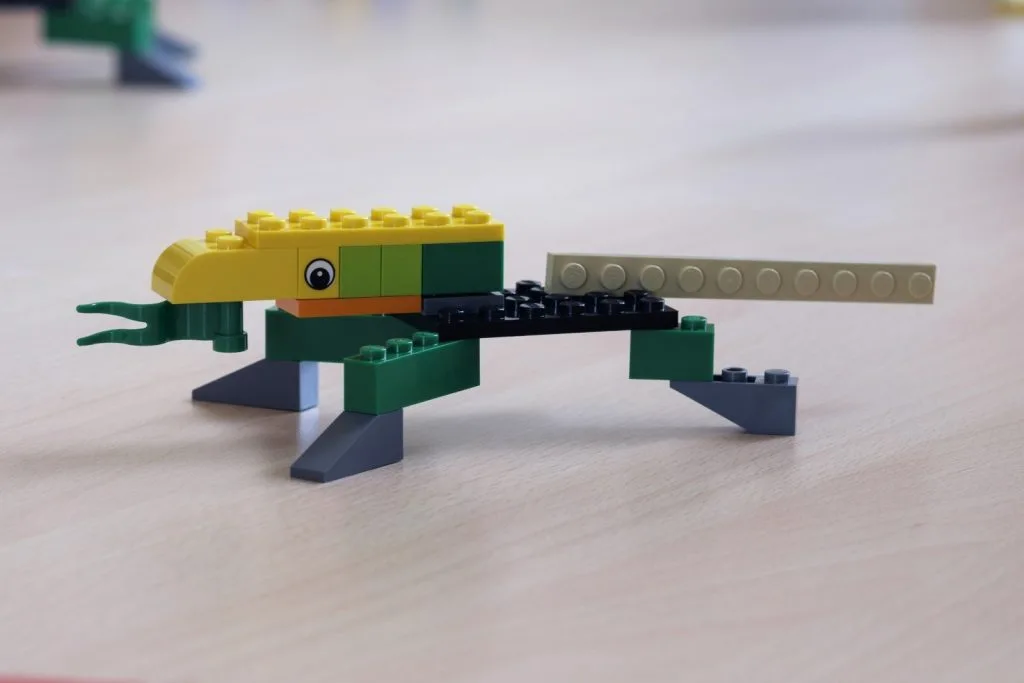
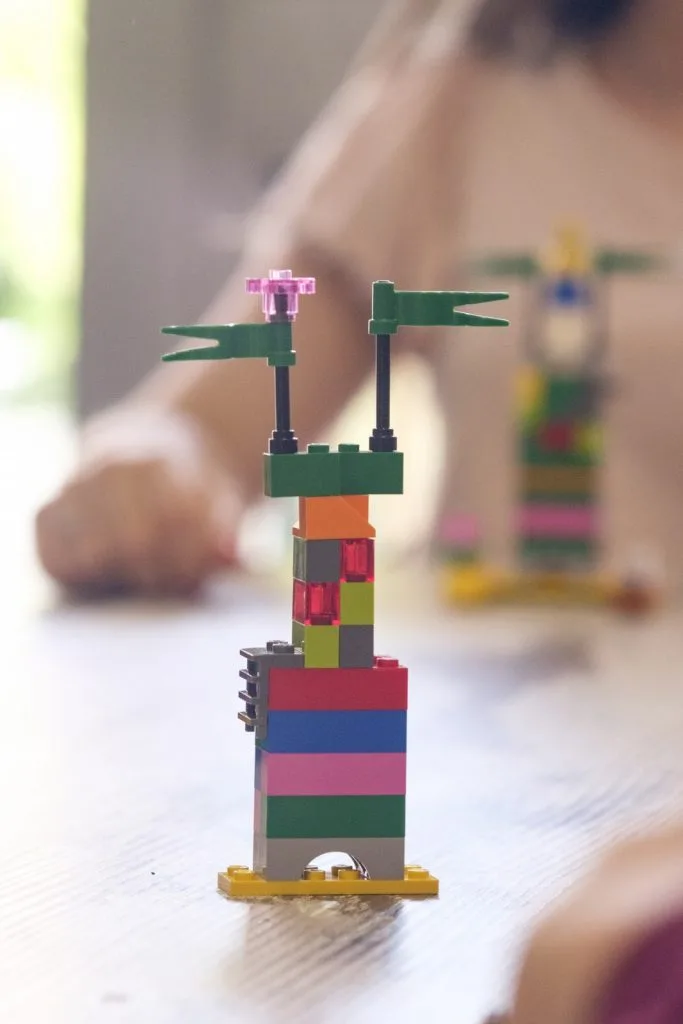
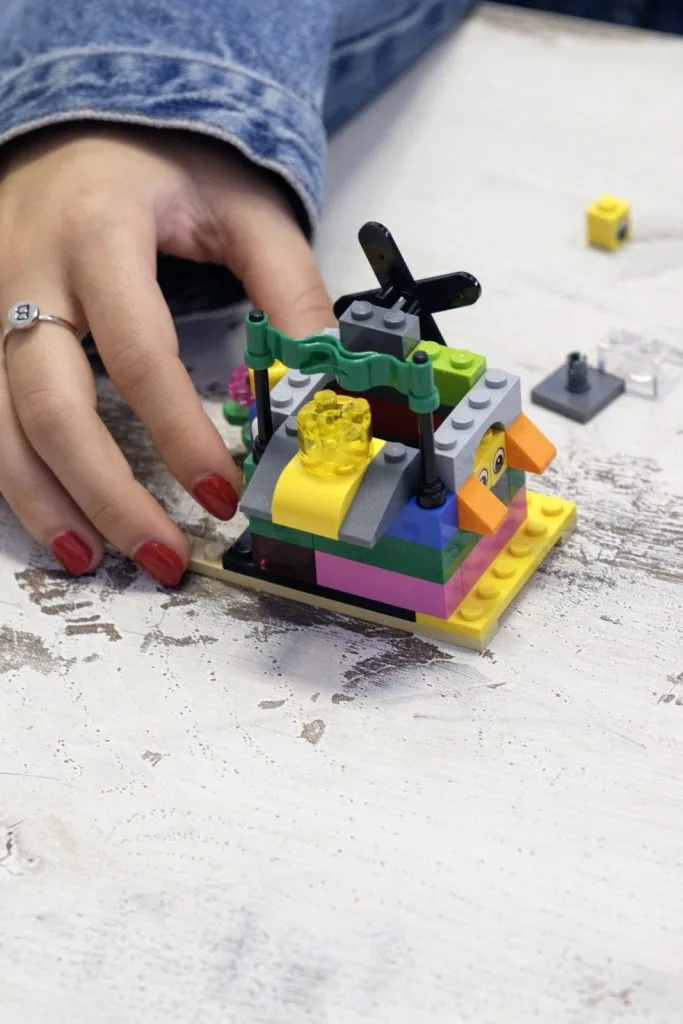
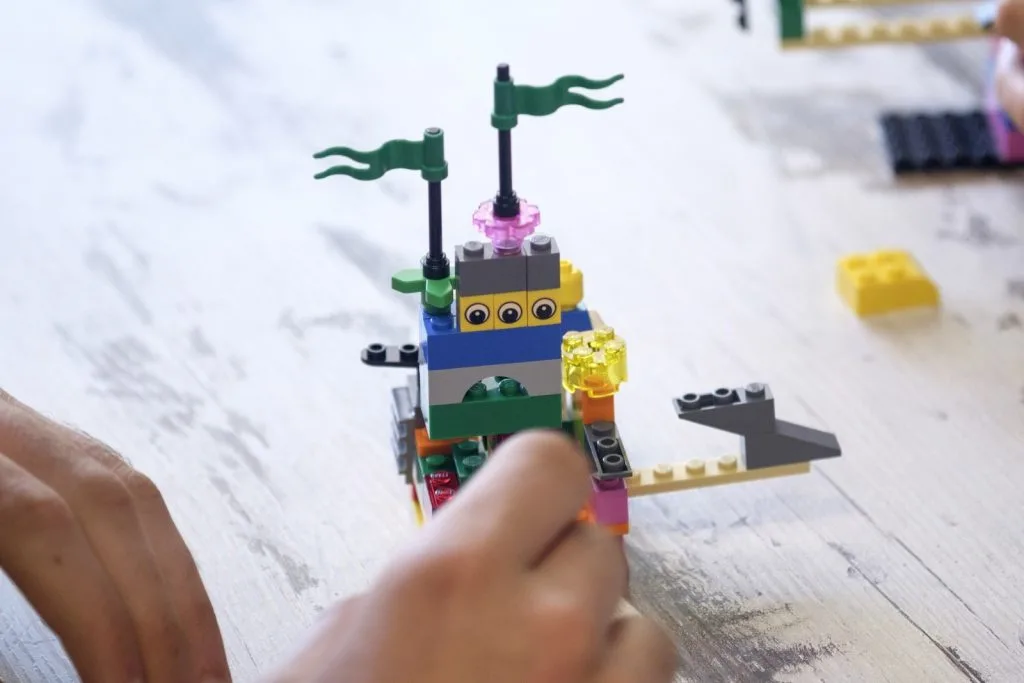
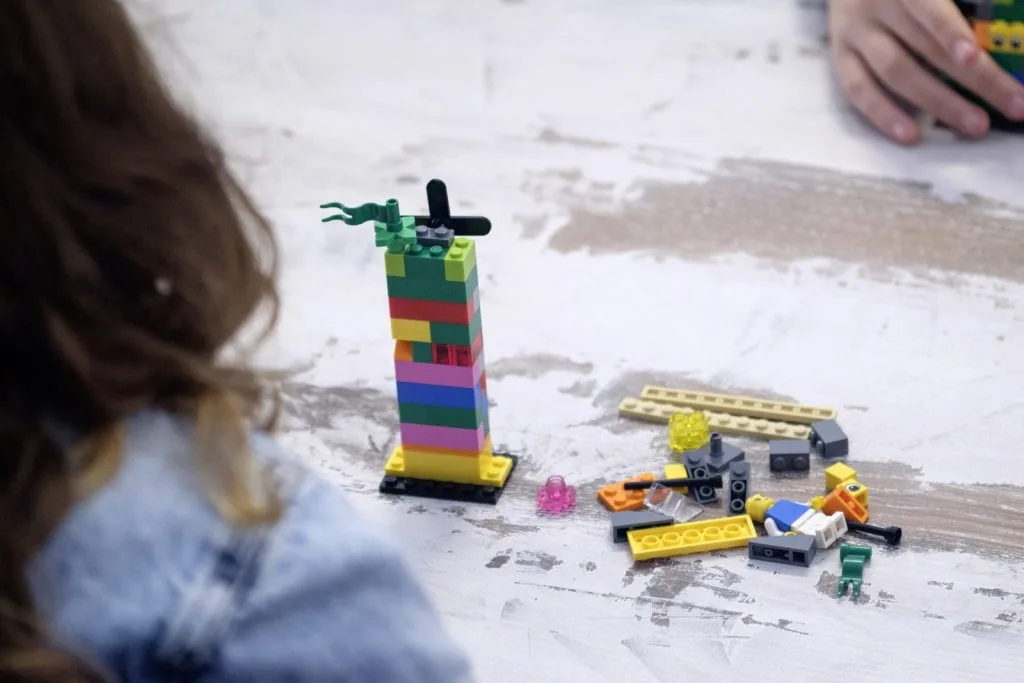
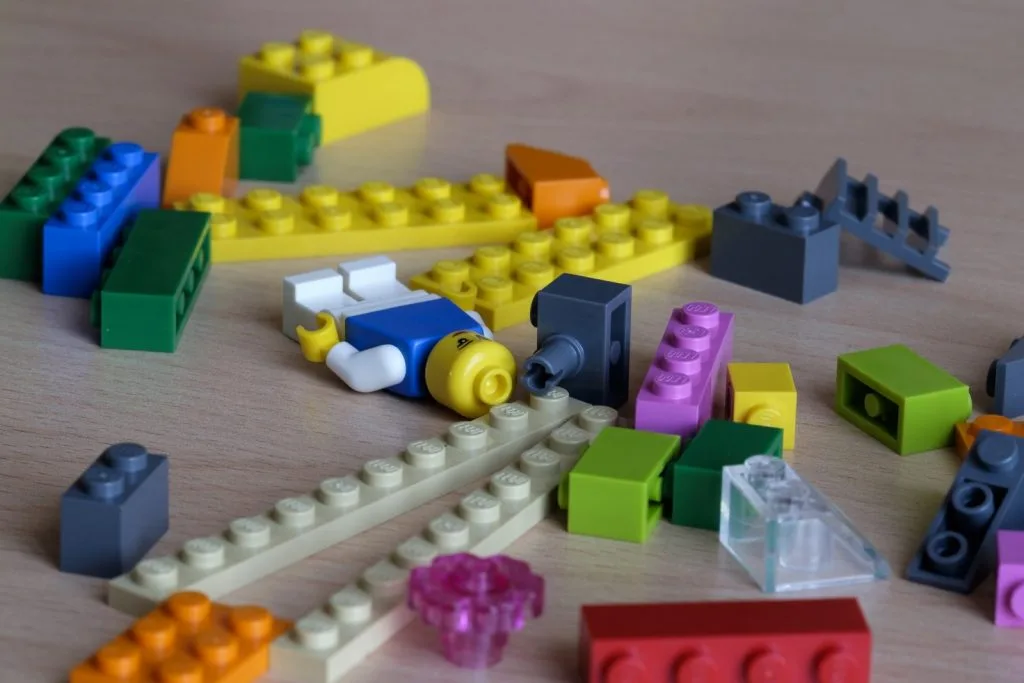
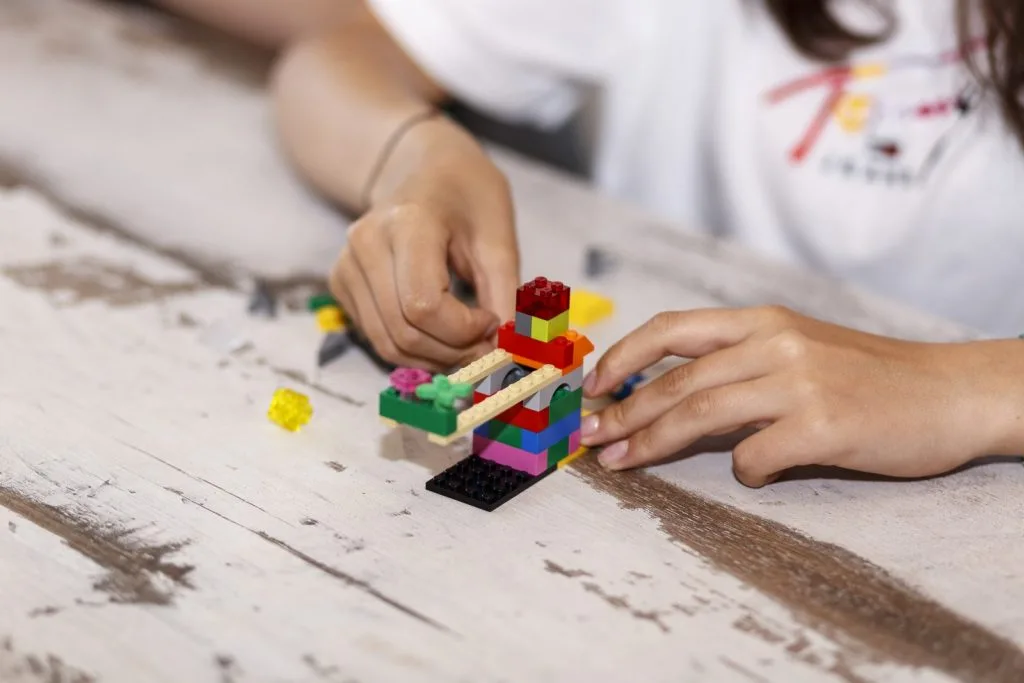
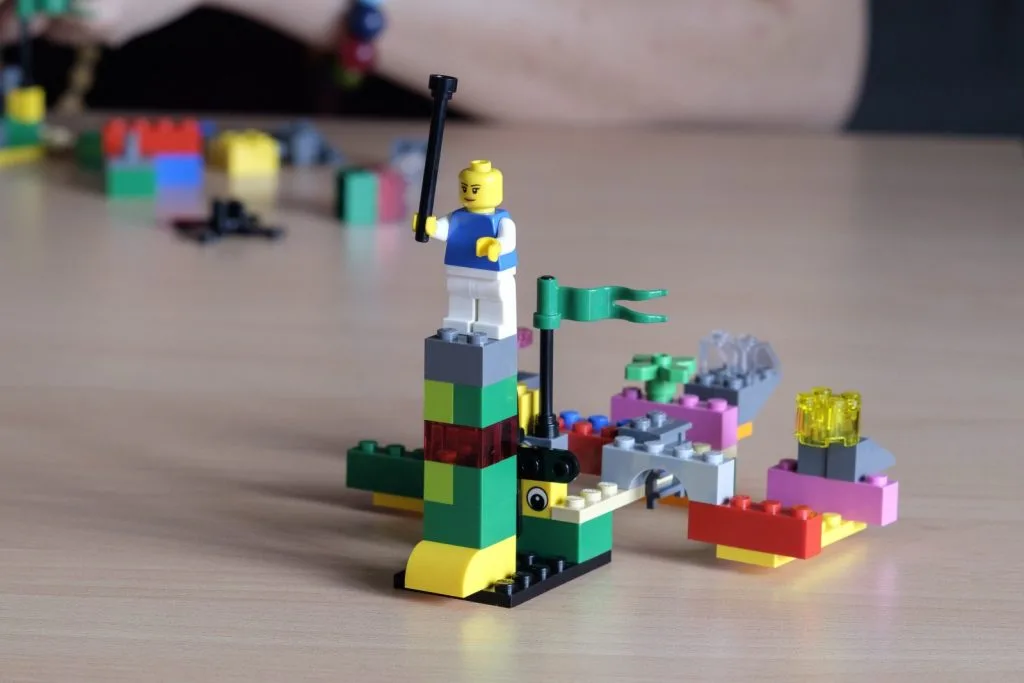
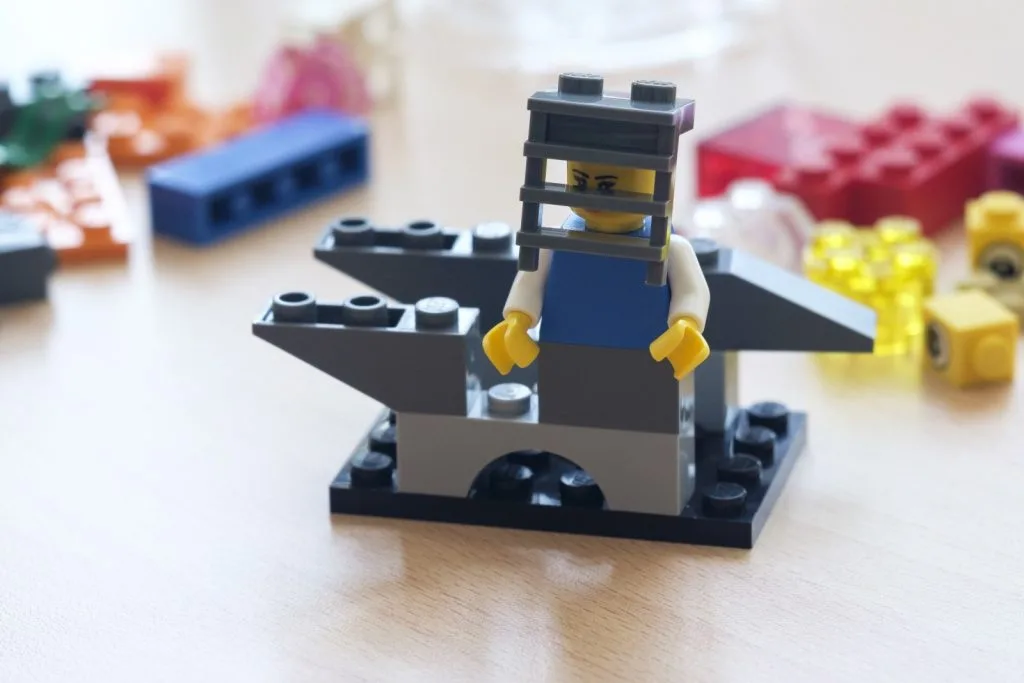
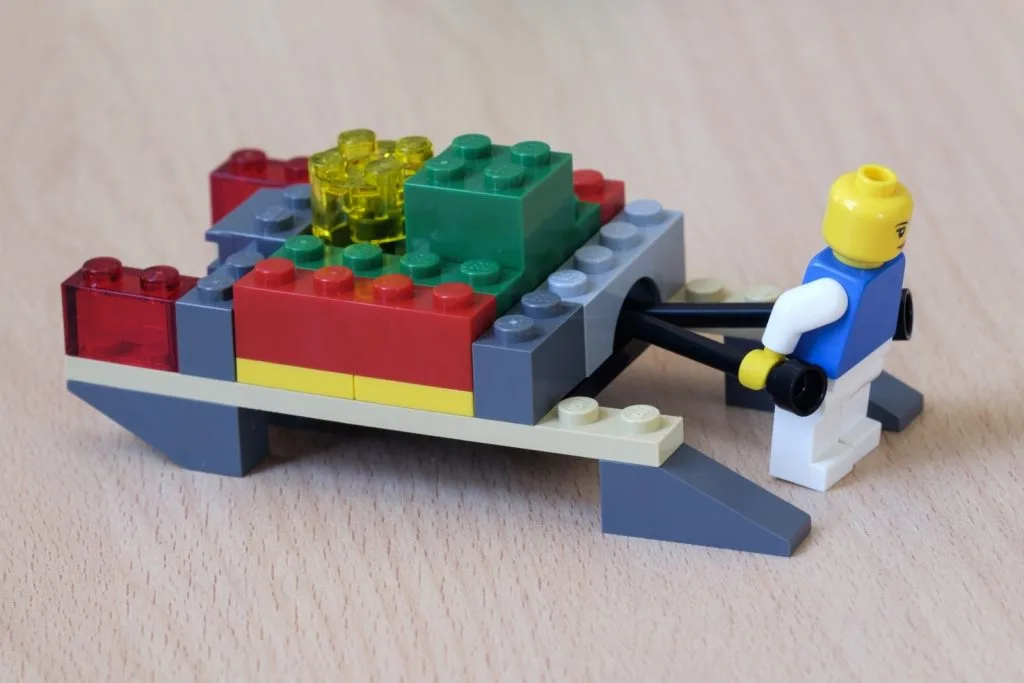
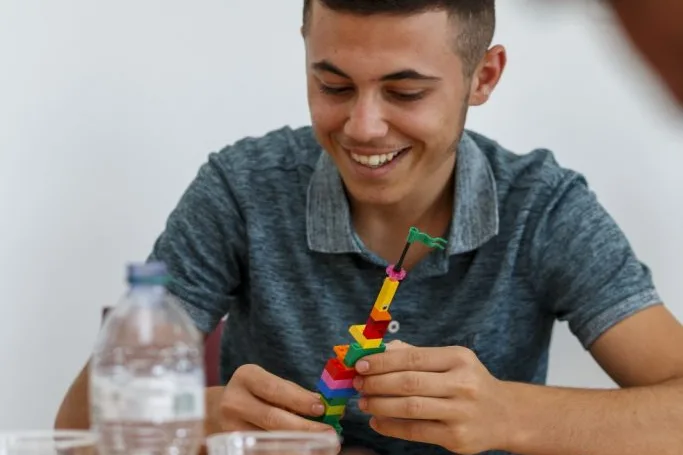
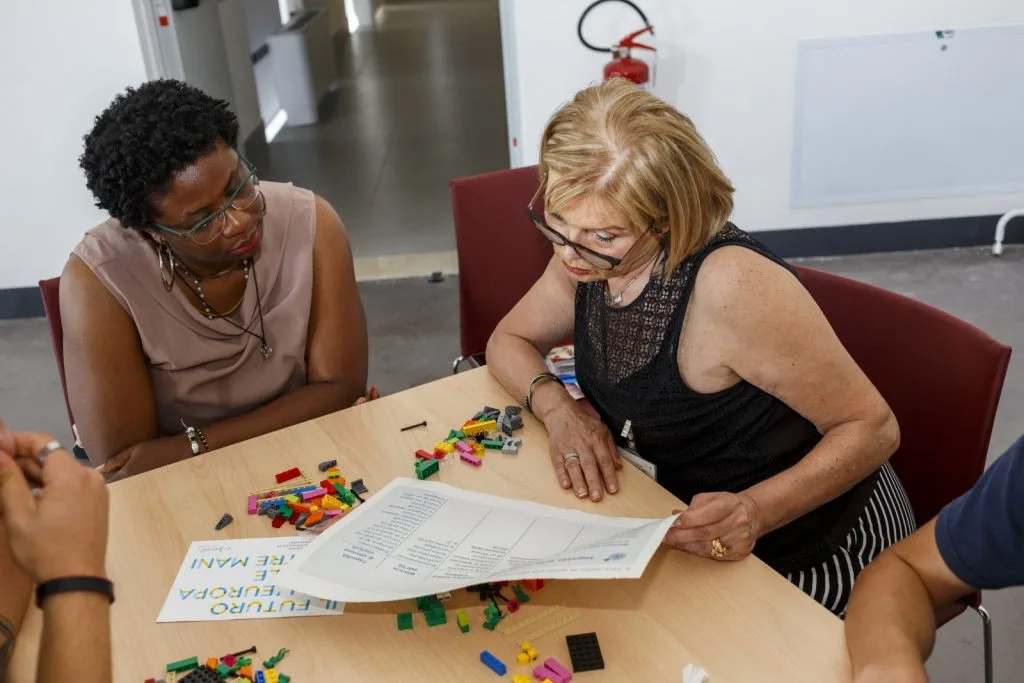
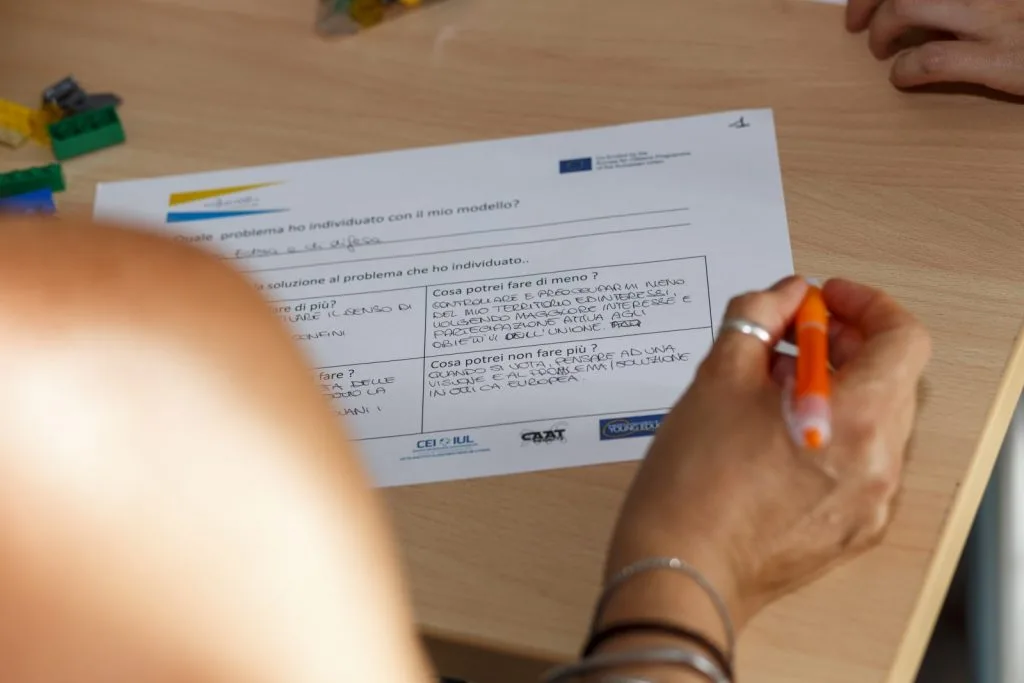
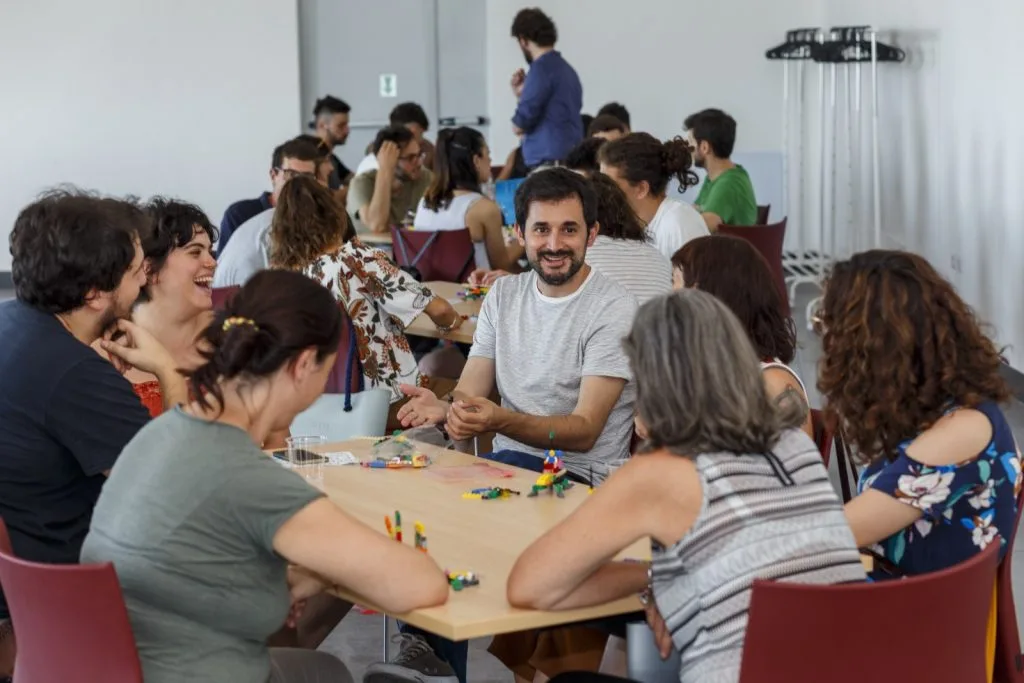
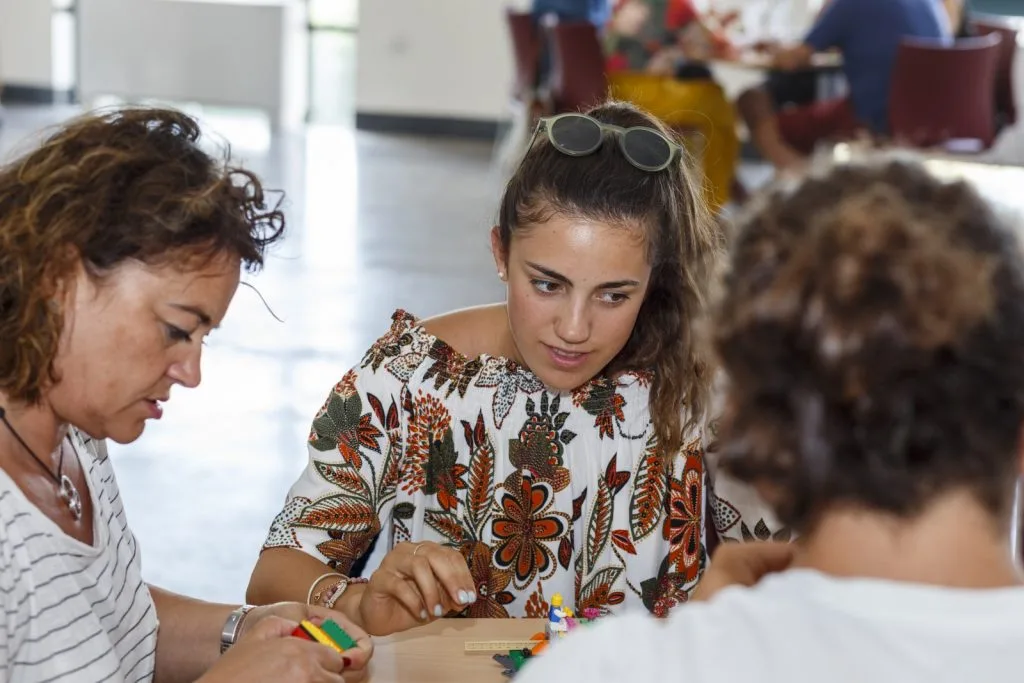
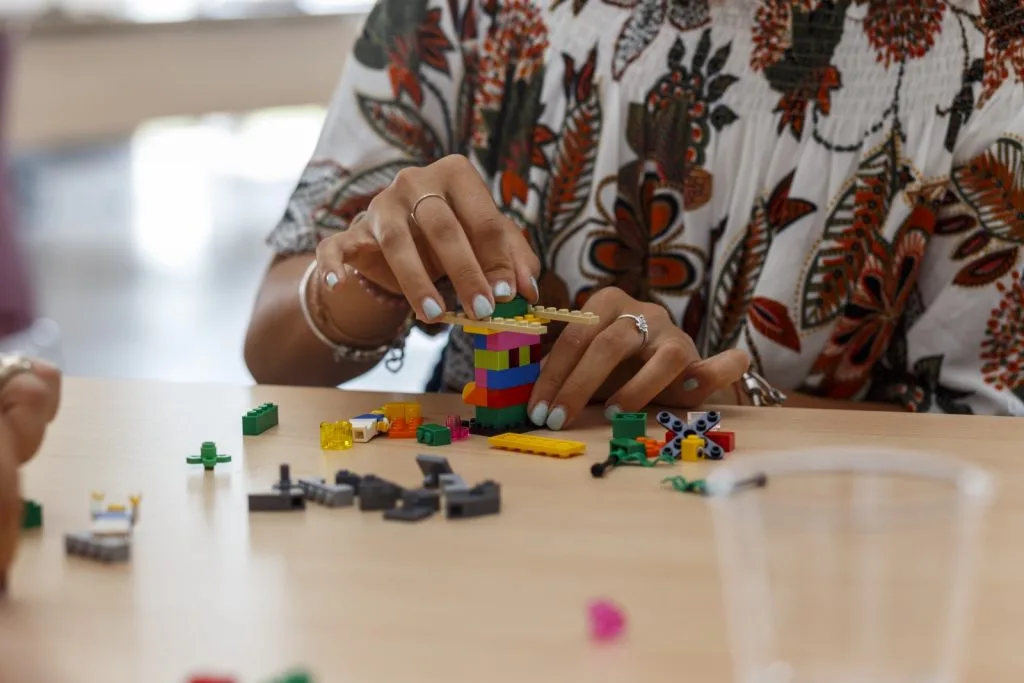
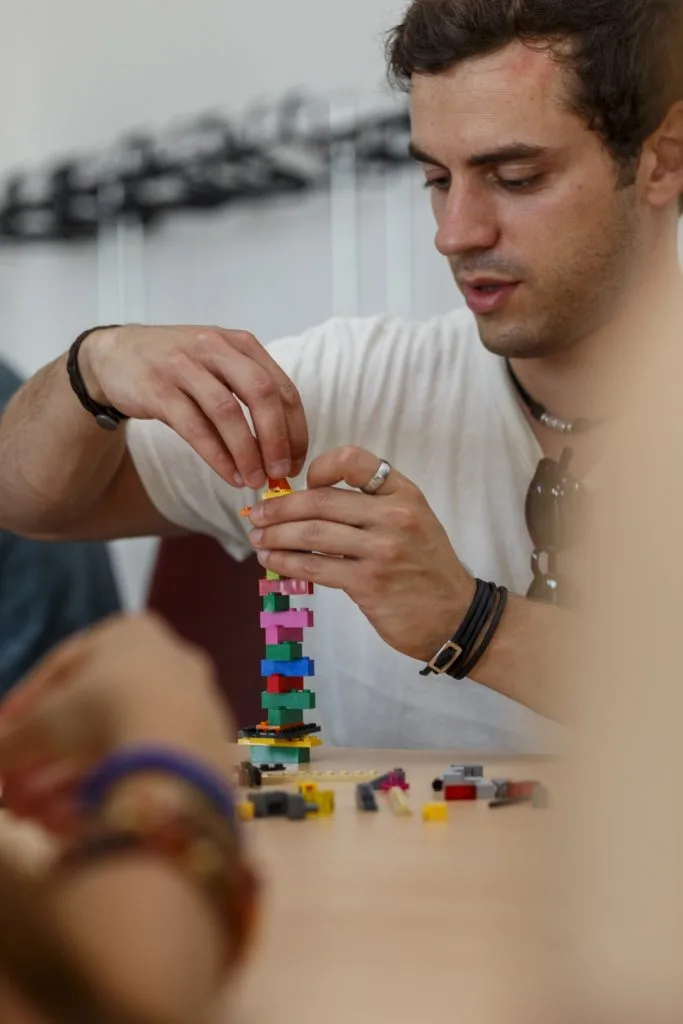
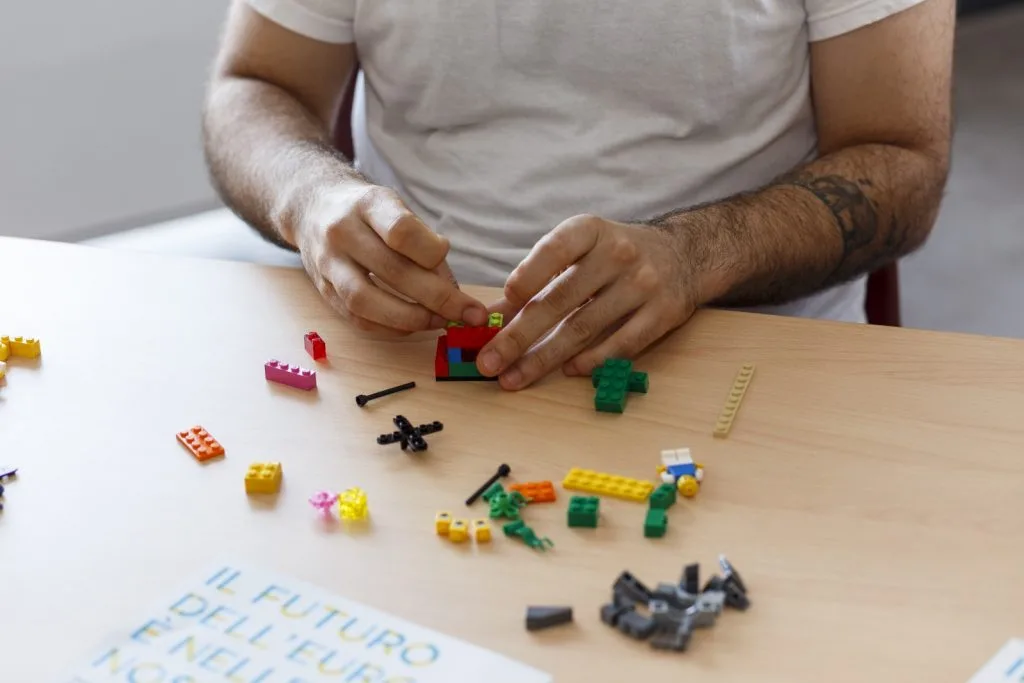
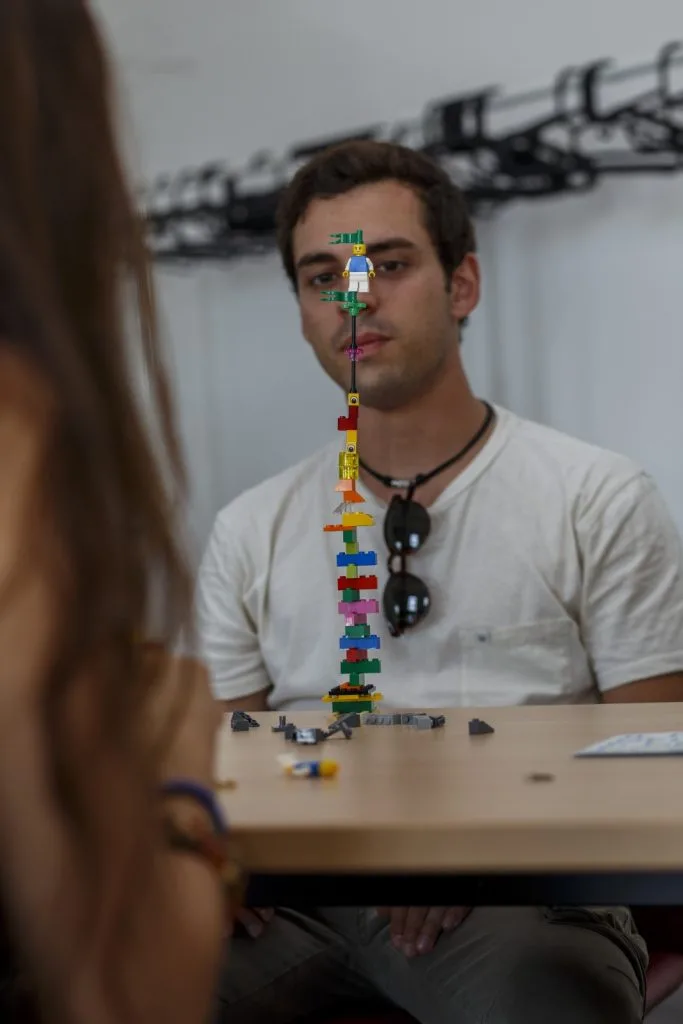
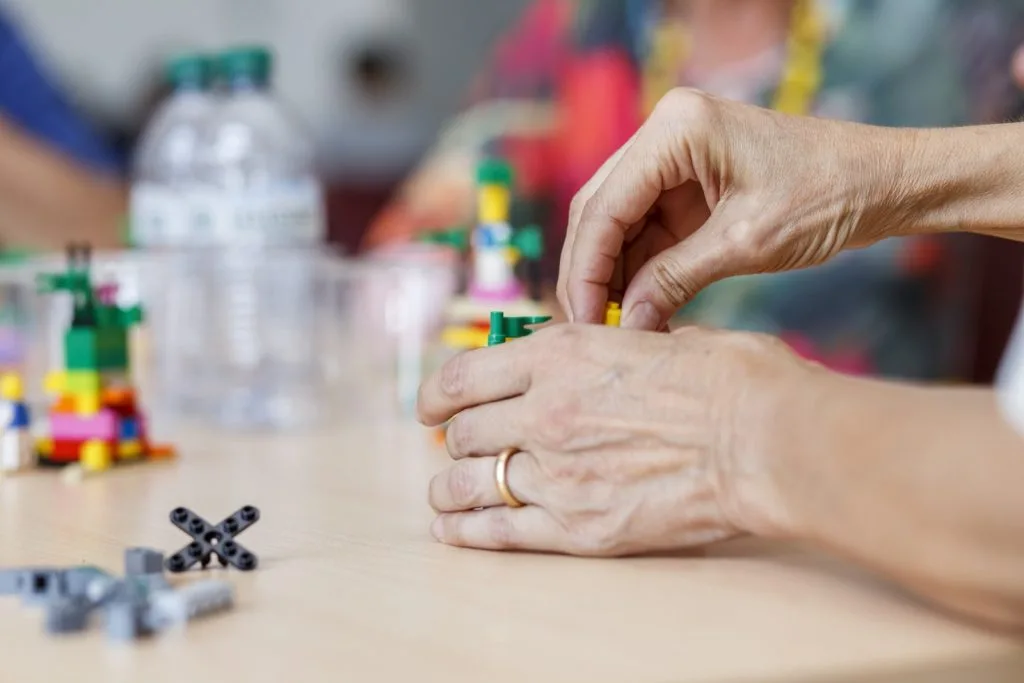
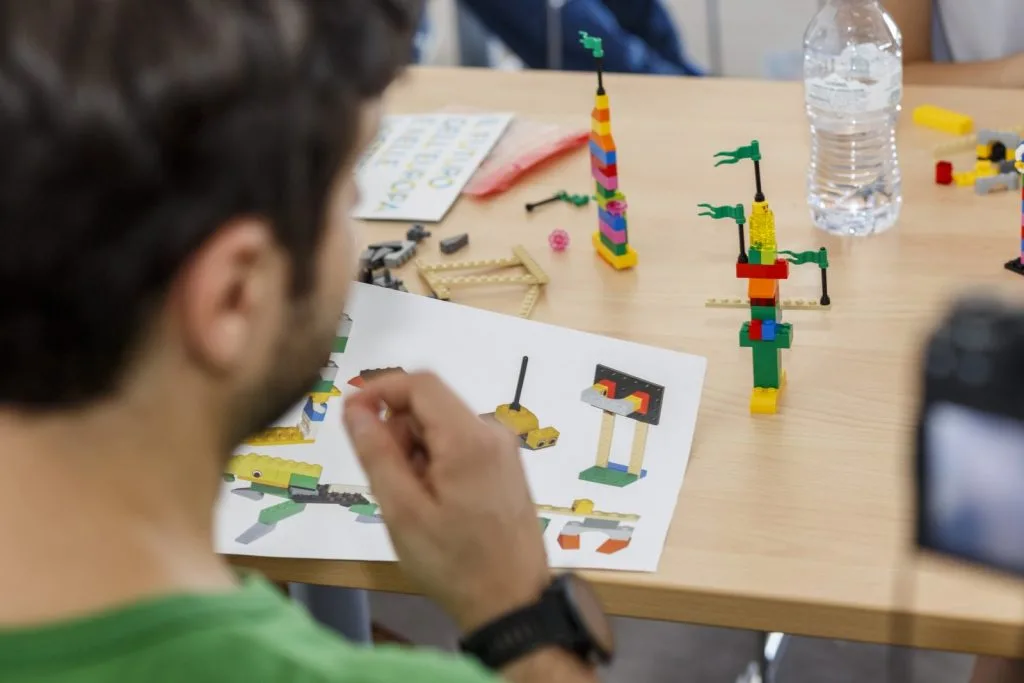
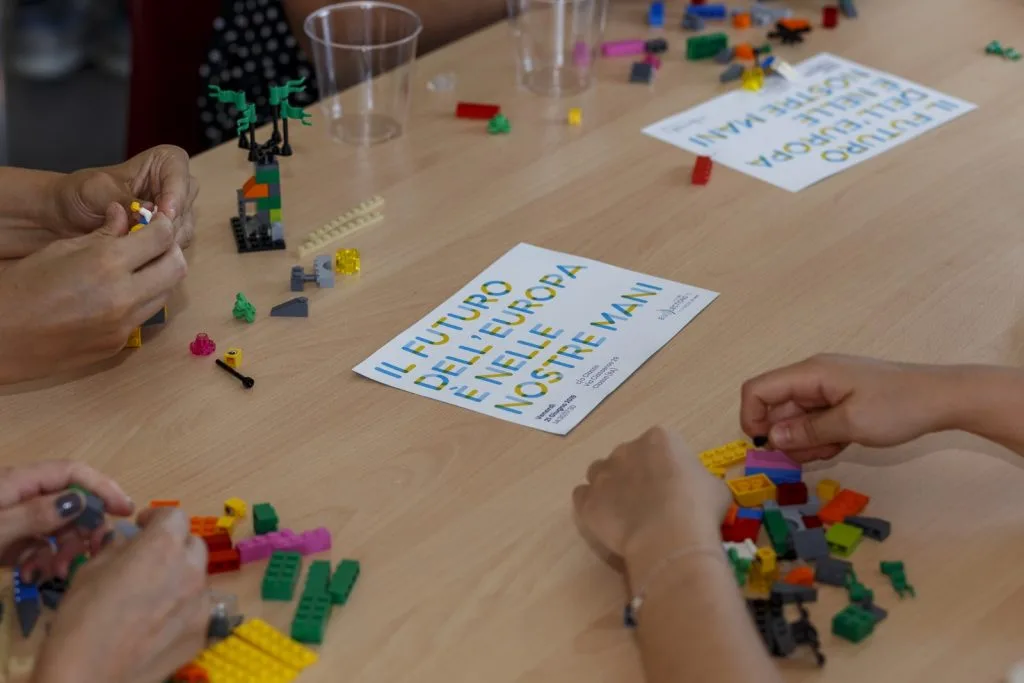
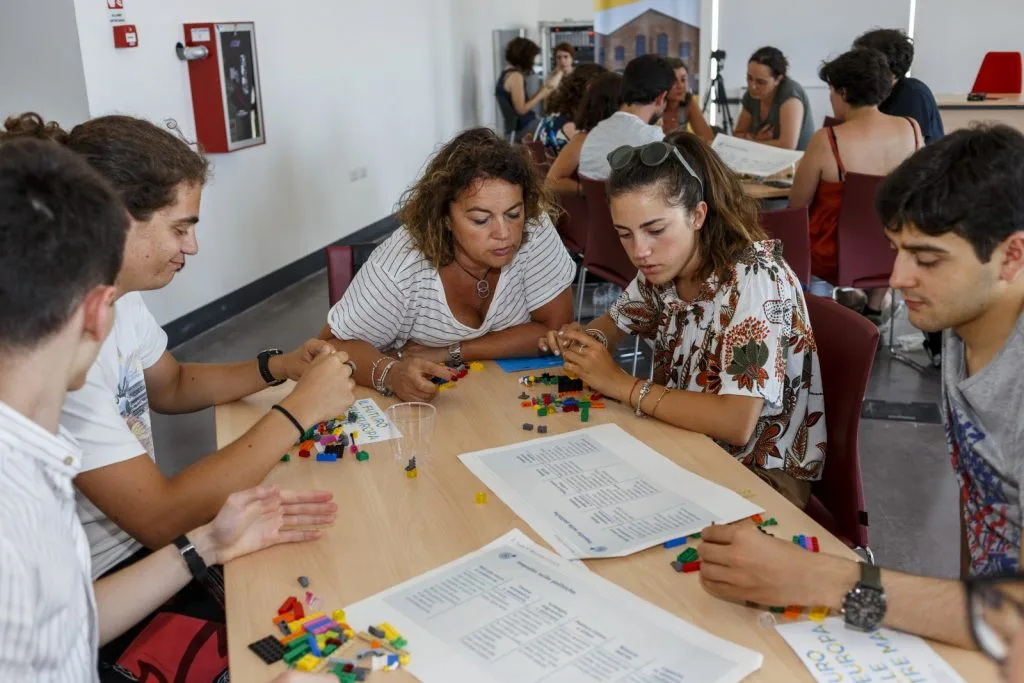
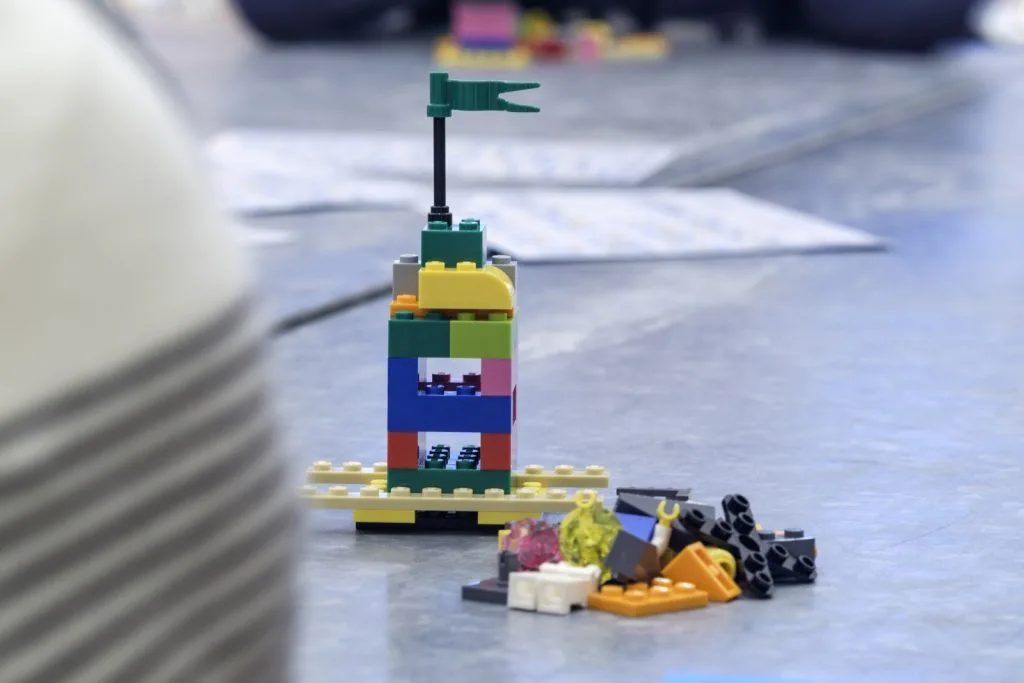
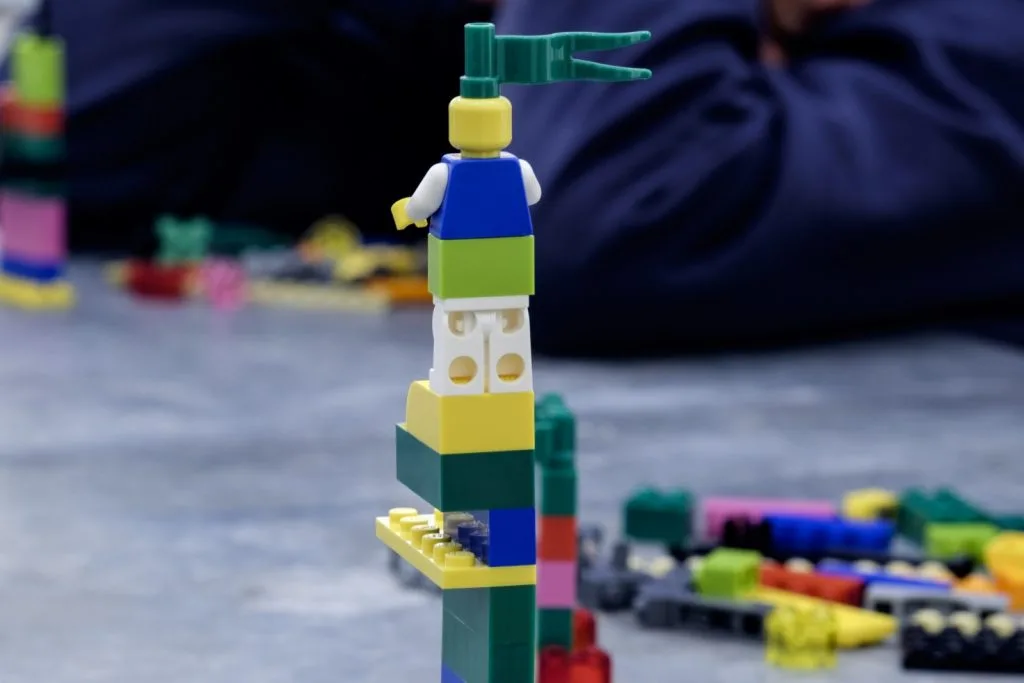
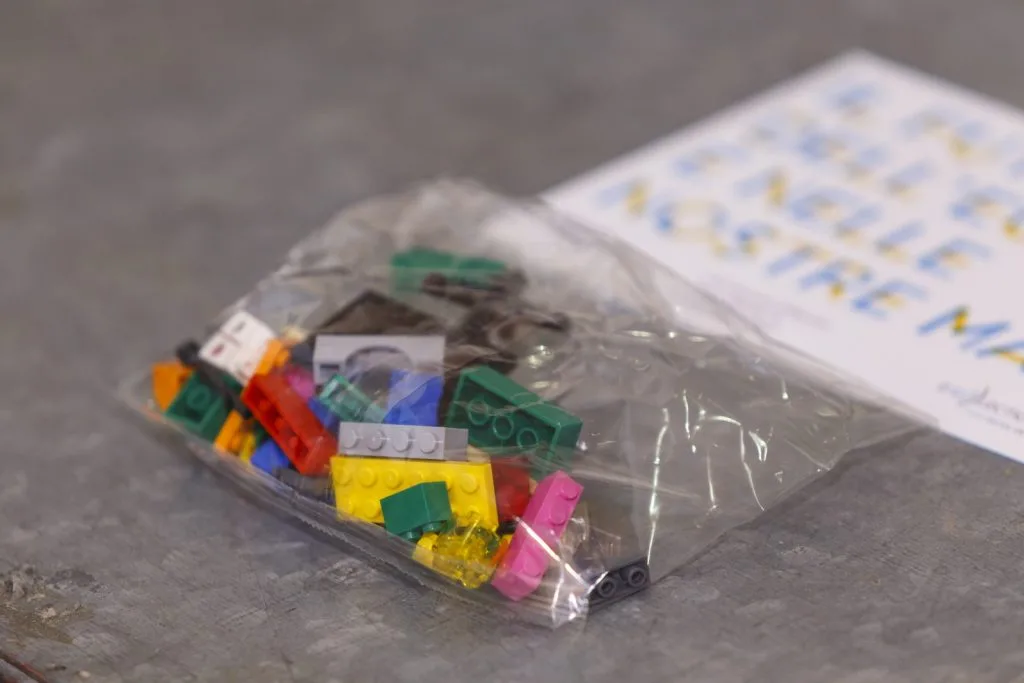
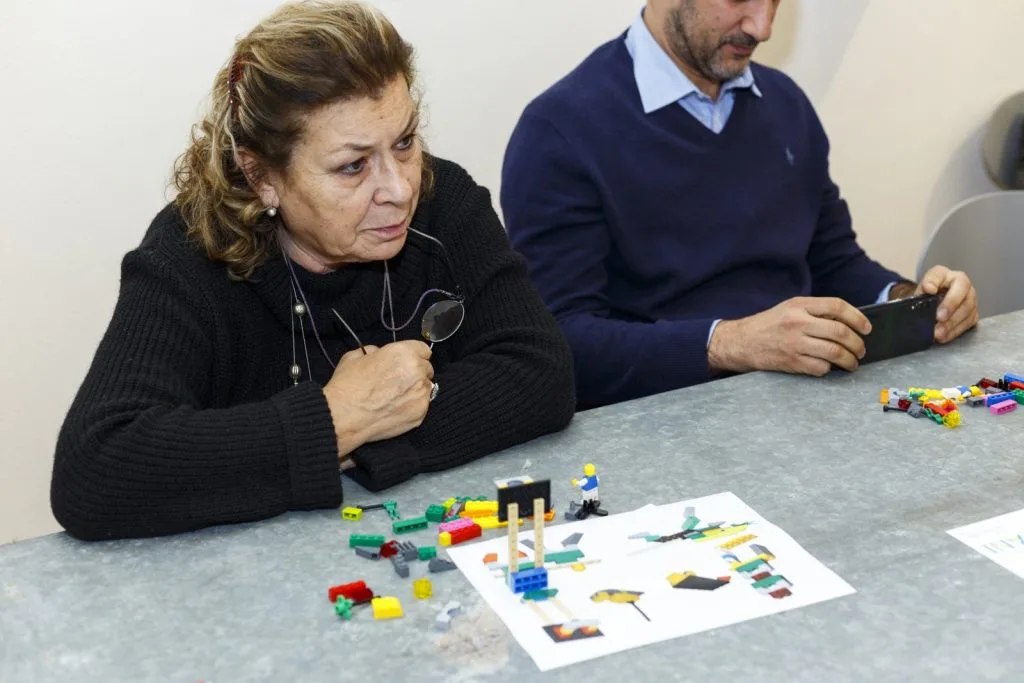
Each student had his own bag with his own Lego pieces. Throughout the event, with the help and instructions of the expert trainers, they went through all the points that we wanted. Gradually, the students showed their commitment to the activities, showing to be more and more willing to build “complex” models whit the LEGO, giving a 3D representation to their ideas and points of view.
After the introduction activities, a sort of ice breaking activities aimed at facilitating the student to get into the objective of the workshop, the 5th scenarios were introduced and they started to work on them divided into groups. Each group worked on one single scenario, using the same approach adopted during the introduction activities: own personal thought, 3D representation, and sharing with the rest of the team.
At the end of the project the participants photographed their 3D models, they wrote a brief summary of the experience, complete a questionnaire to collect key messages and suggestions and to assess the impact of the activity.
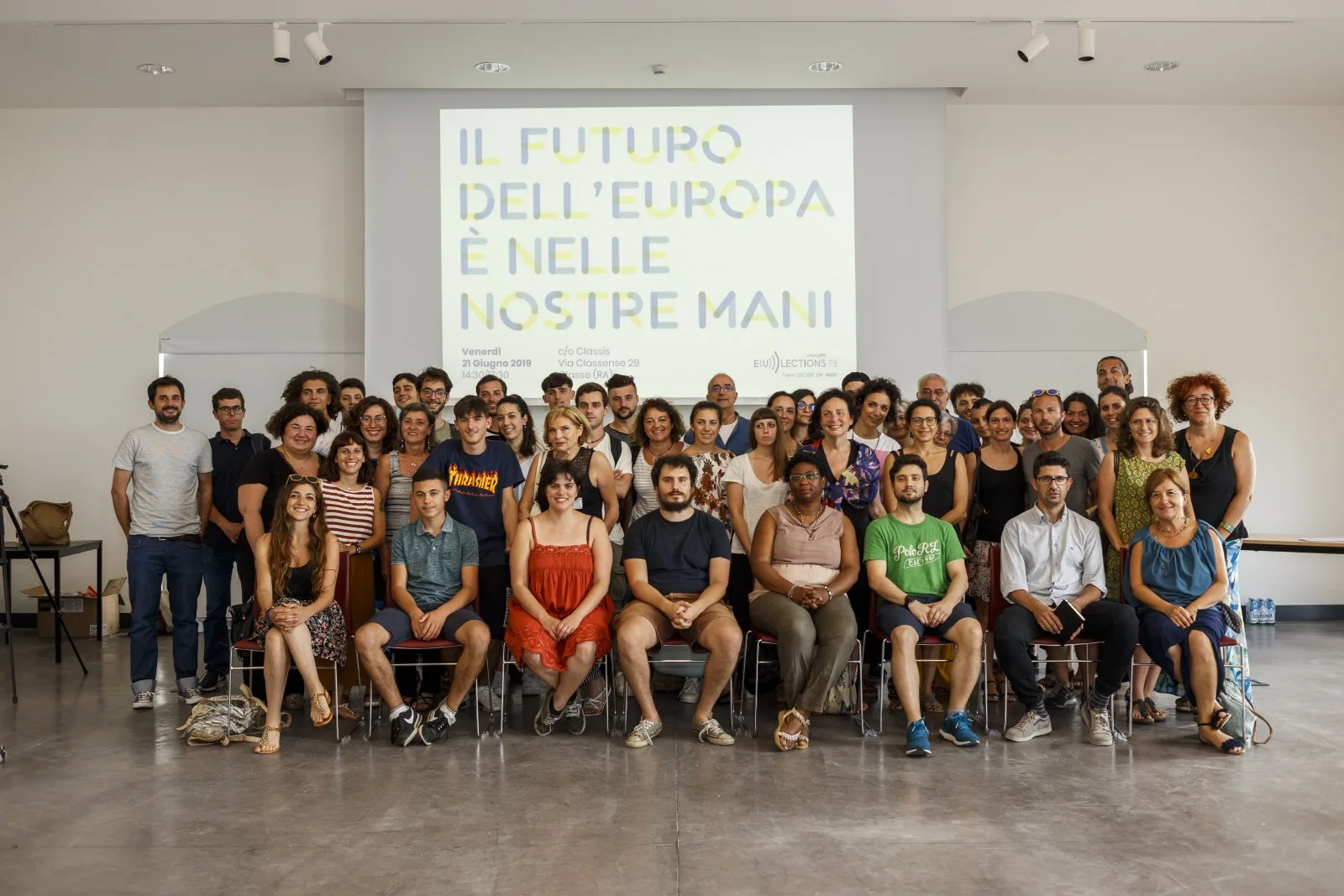
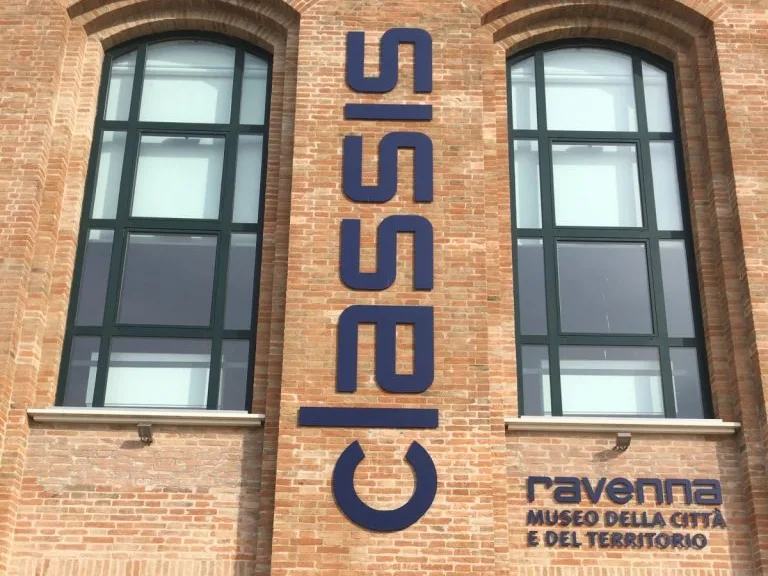
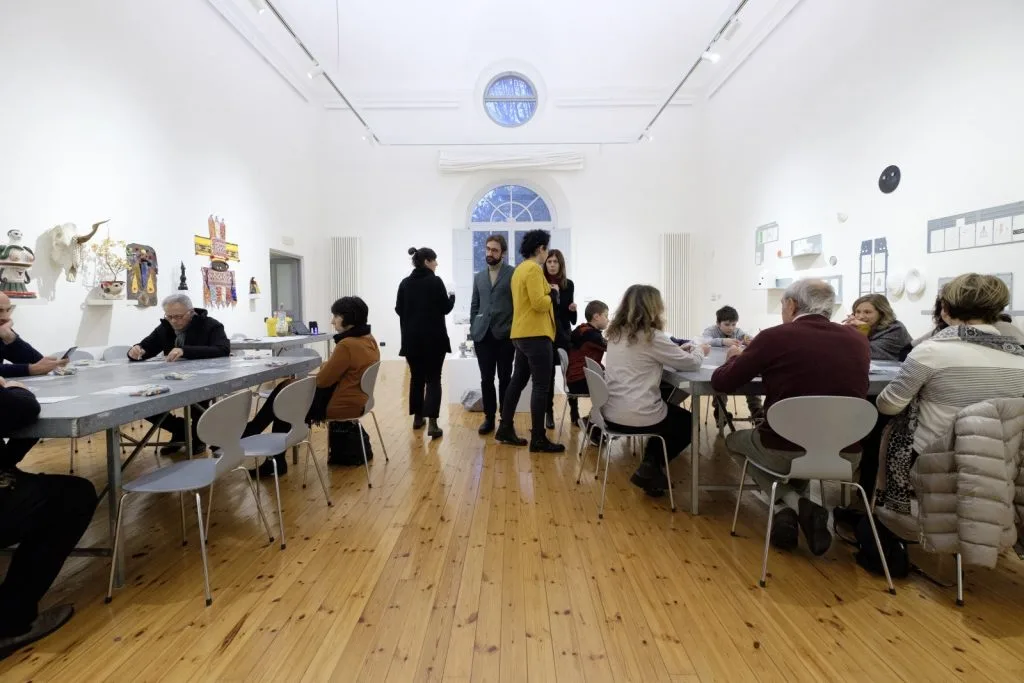
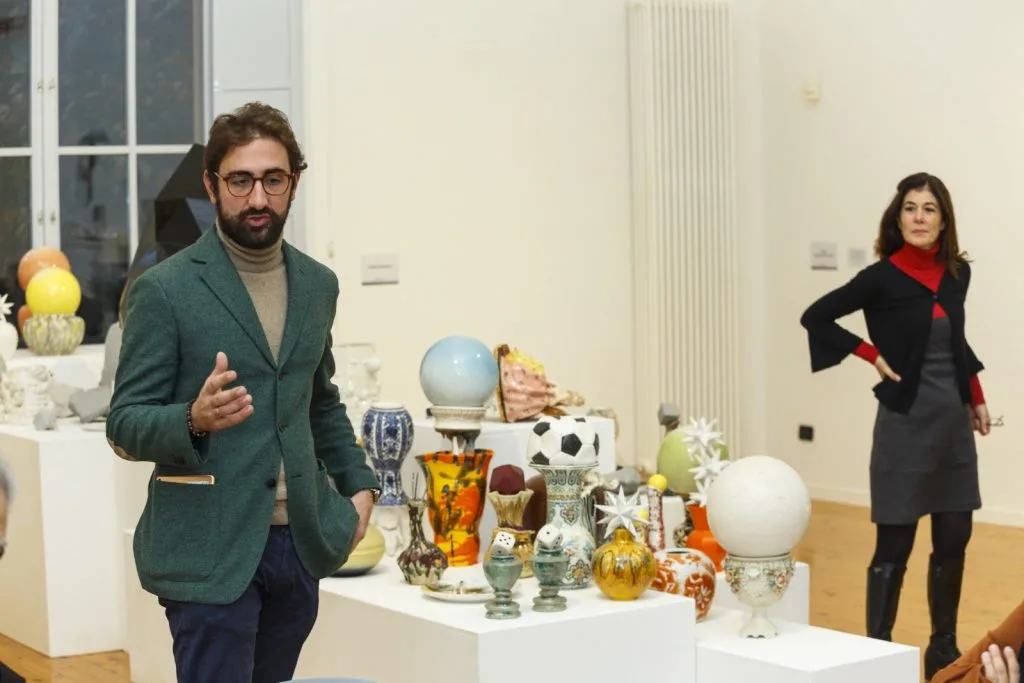
On 21st June, Fondazione Flaminia organized the second E(u)Lections´19 event held at the Open lab of Ravenna within the Classis Museo.
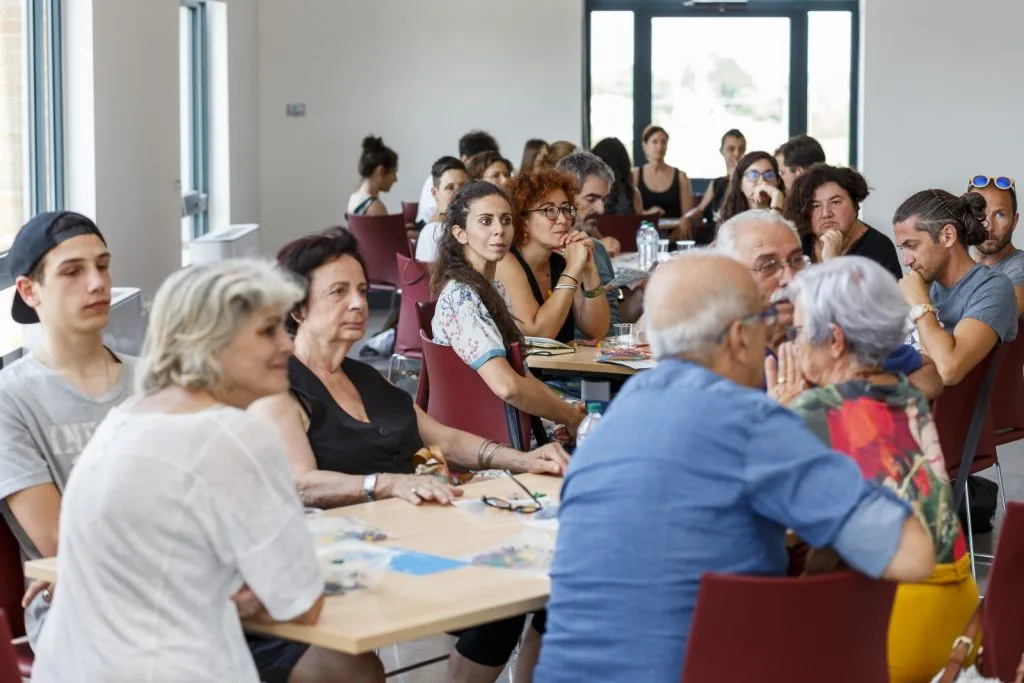
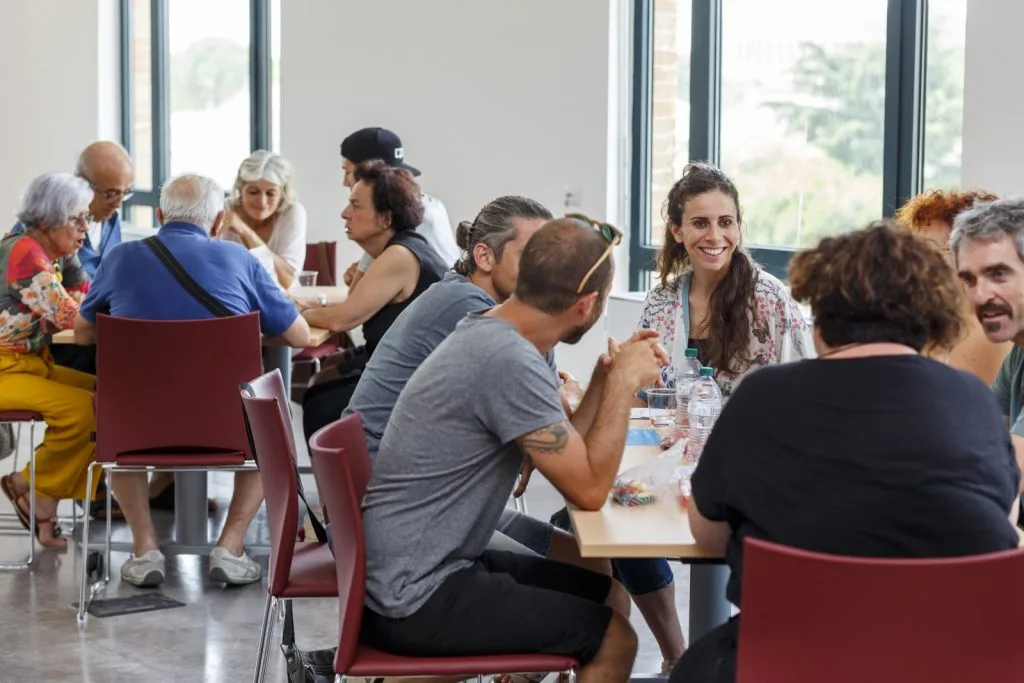
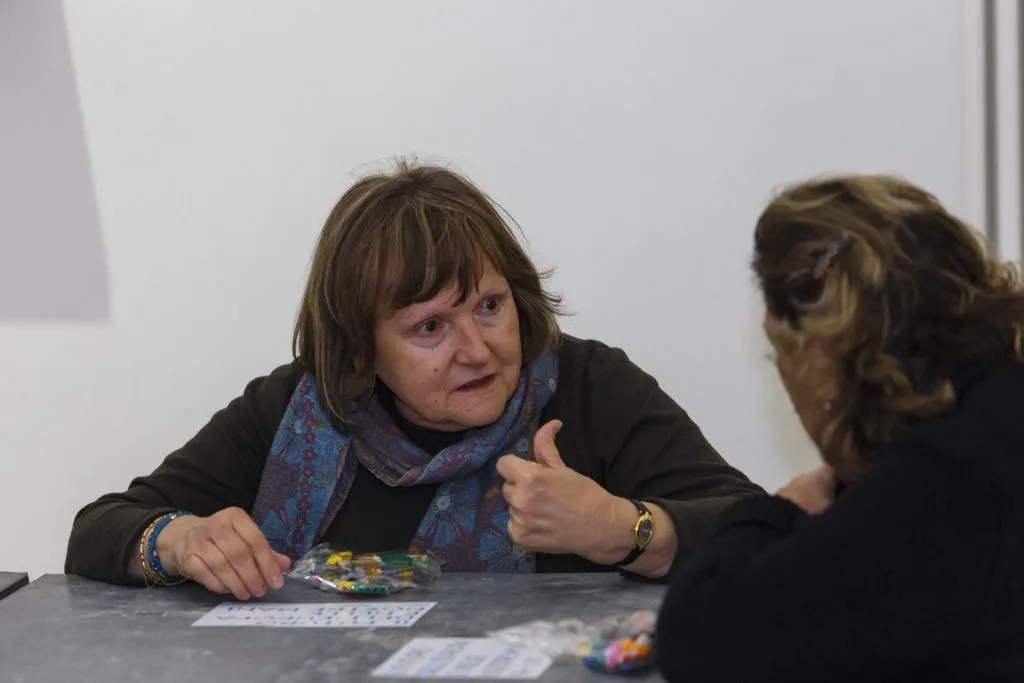
The event was open to every citizen of Ravenna city and we were able to involve 51 Italian participants, with ages ranging between 20 and 67 years old, in a multi-generational debate about the European Union’s present and future. Thanks to a diverse audience of participants in the Emilia-Romagna events tour, we will have the opportunity to collect diverse suggestions for the future of Europe 2025.
The workshop started with an introduction about of the project aims and the methodology of Lego Serious Play methods provided by the trainers.
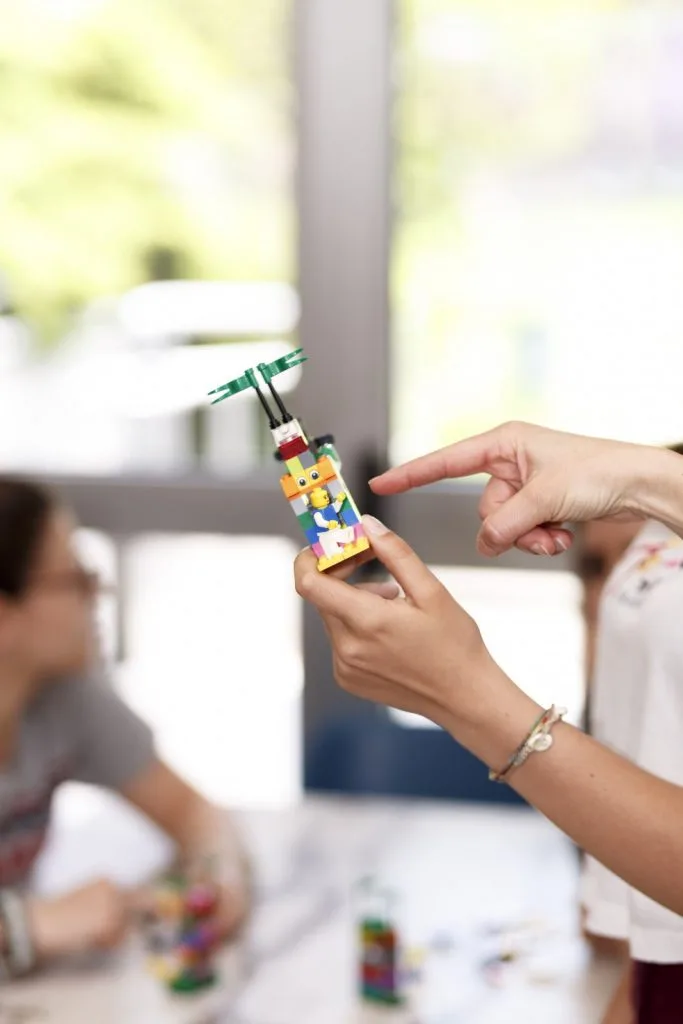
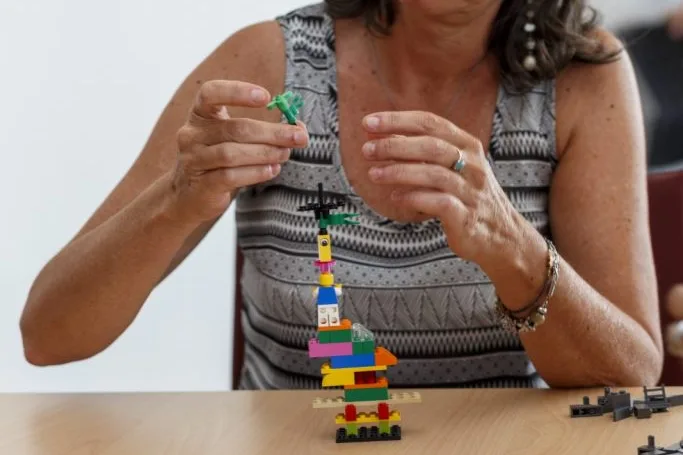
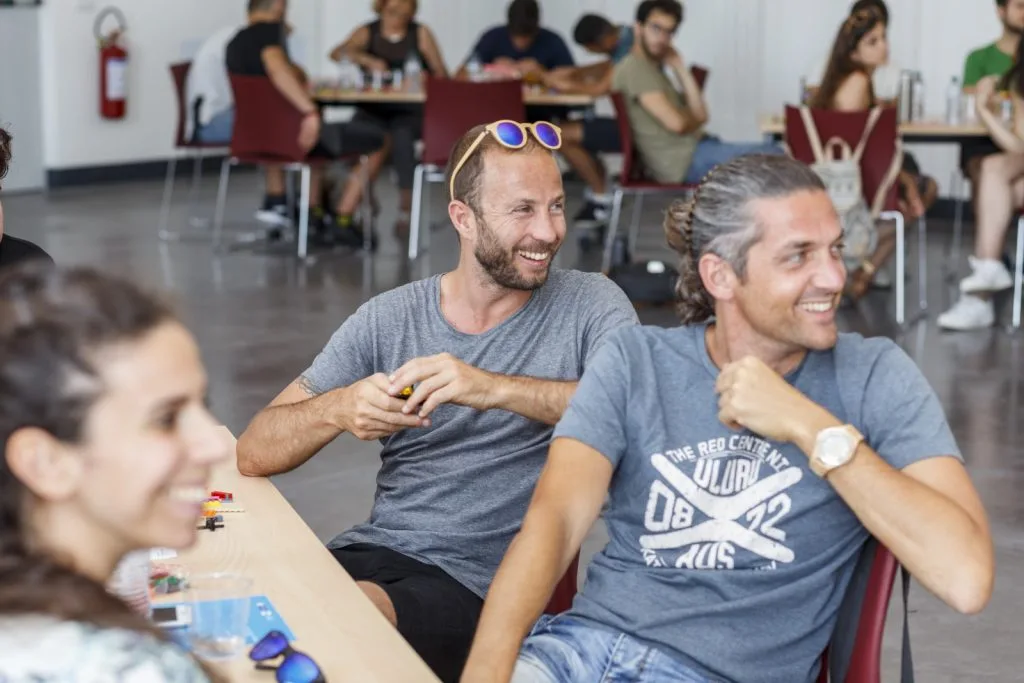
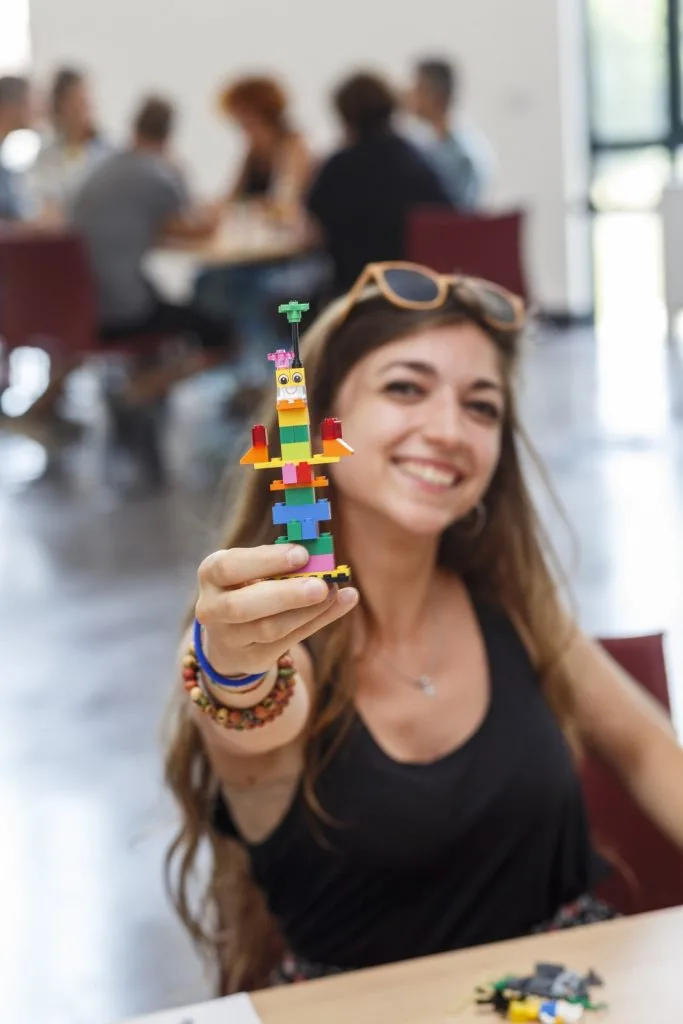
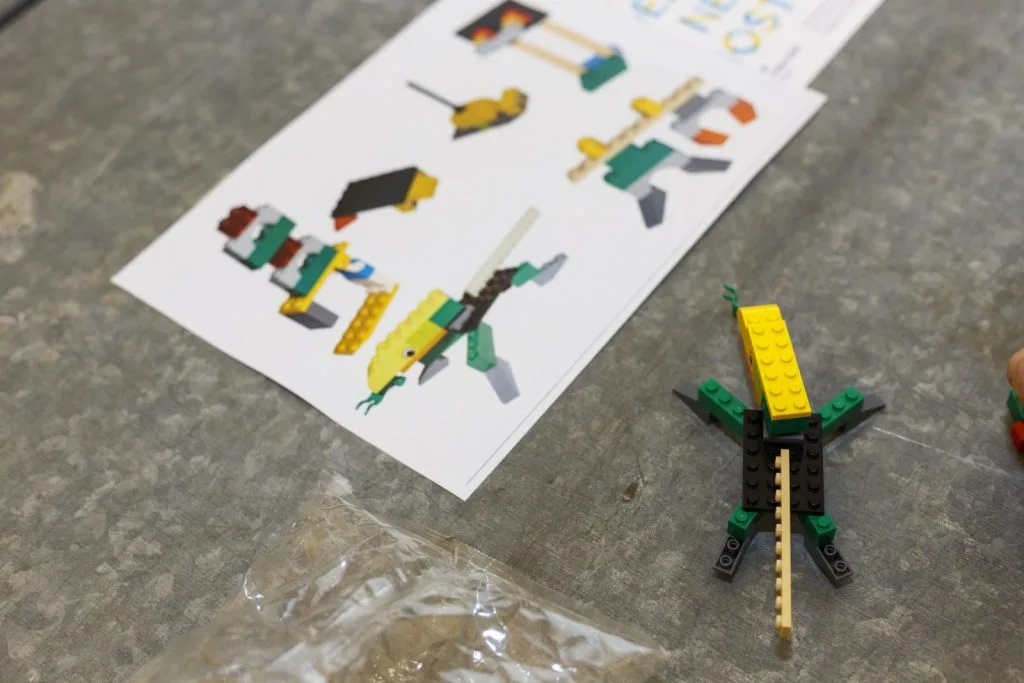
Subsequently, we started with games and activities designed to make people more accustomed to Lego pieces and, in some way, light on the creativity in each one, so that it became more simple to pass to concrete concepts to 3D constructions later on. In this part of the introduction to the game of Lego Serious Play, the trainers asked, in first place, participants to close their eyes and think to a wished super power. Than, they asked to create their own super power with LEGO.
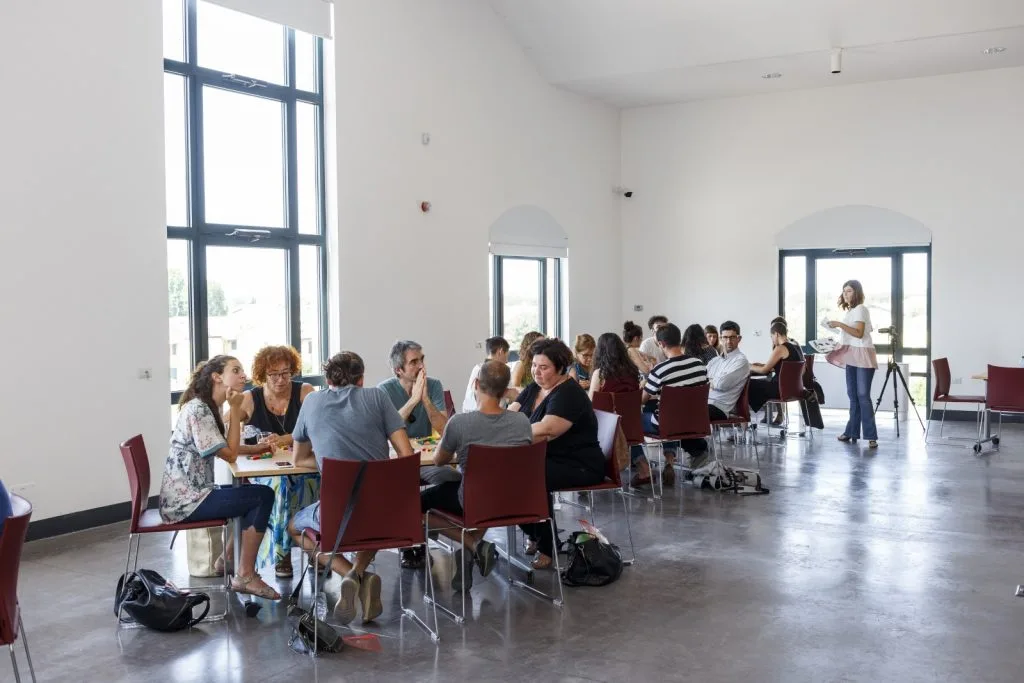
After the participants have gained more confidence with the methods we moved on to the E(u)lections ’19 project aims and we used the same approach one of the 5 possible scenarios of the White Paper on the future of Europe. Each group worked on one of the five scenarios, giving a 3D shape to their opinion and suggestions.
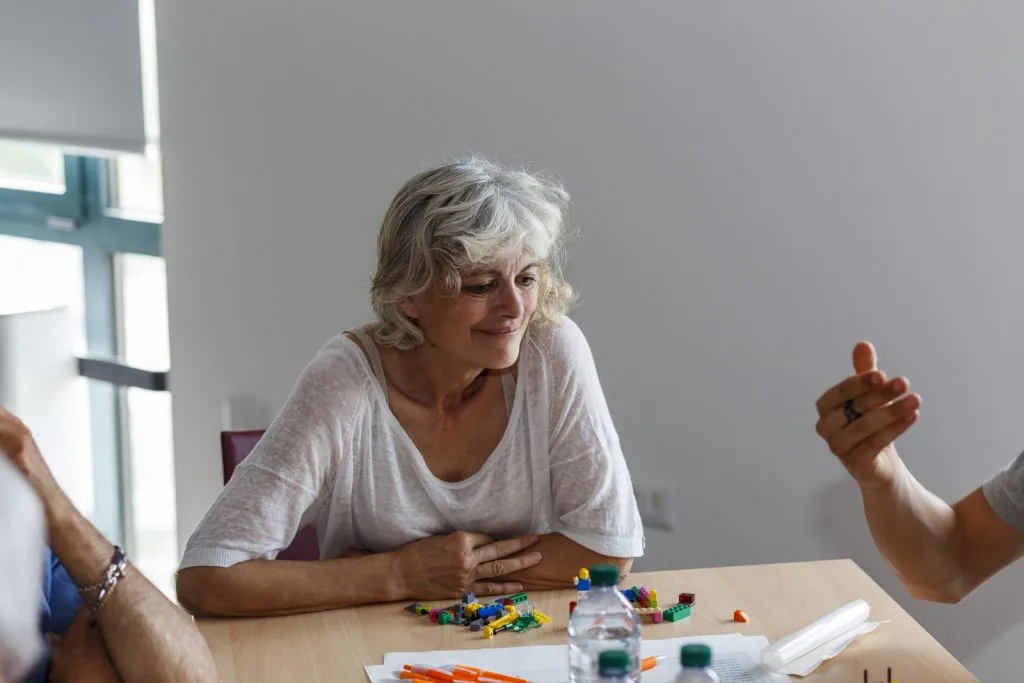
At the end of each new construction, each participant had 2 minutes to explain to the group personal thoughts, doubts and suggestions about the scenario. This stage of the 5 scenarios was very curious because the groups were heterogeneous by gender and age, so we collected diverse points of view.
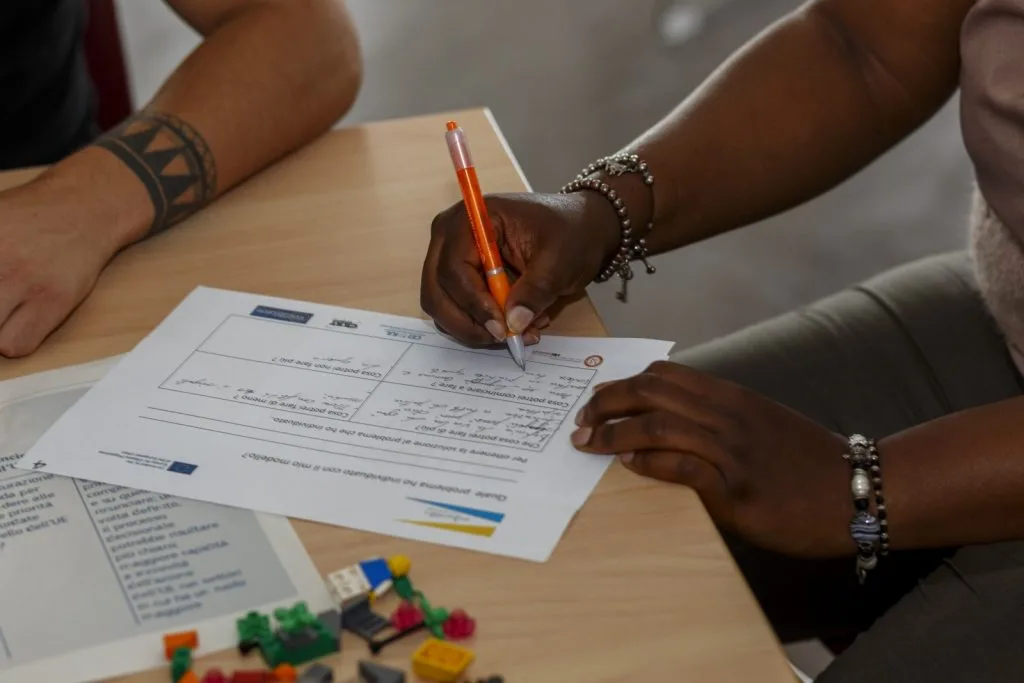
At the end of the activity, they wrote a summary of the experience and completed a questionnaire to collect key messages for the solutions for the main problems identified.
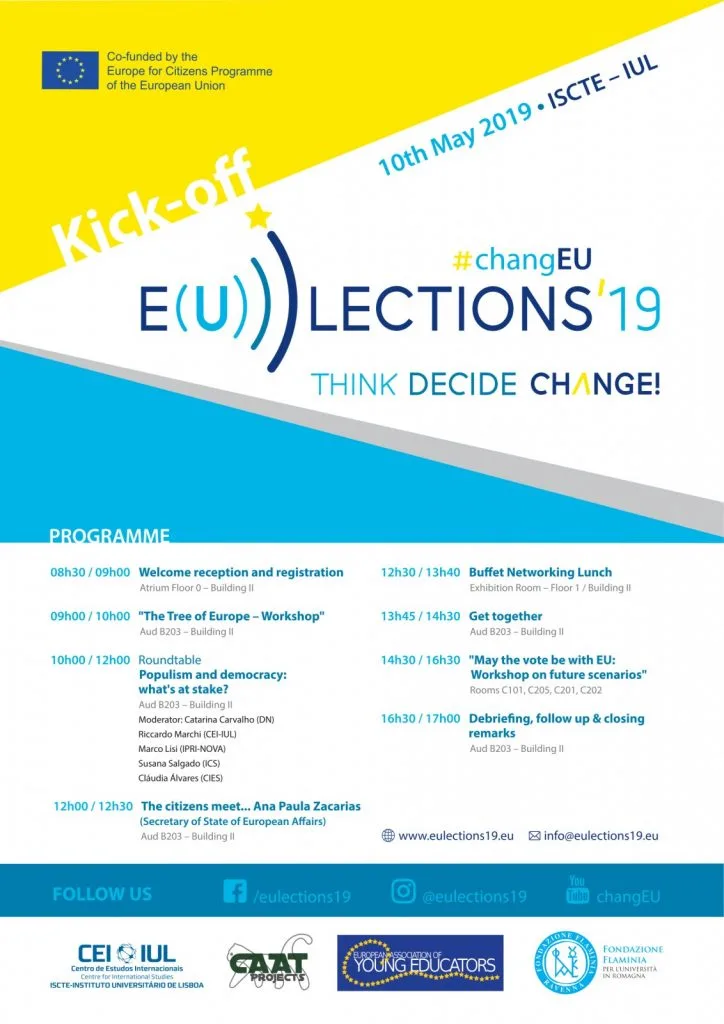
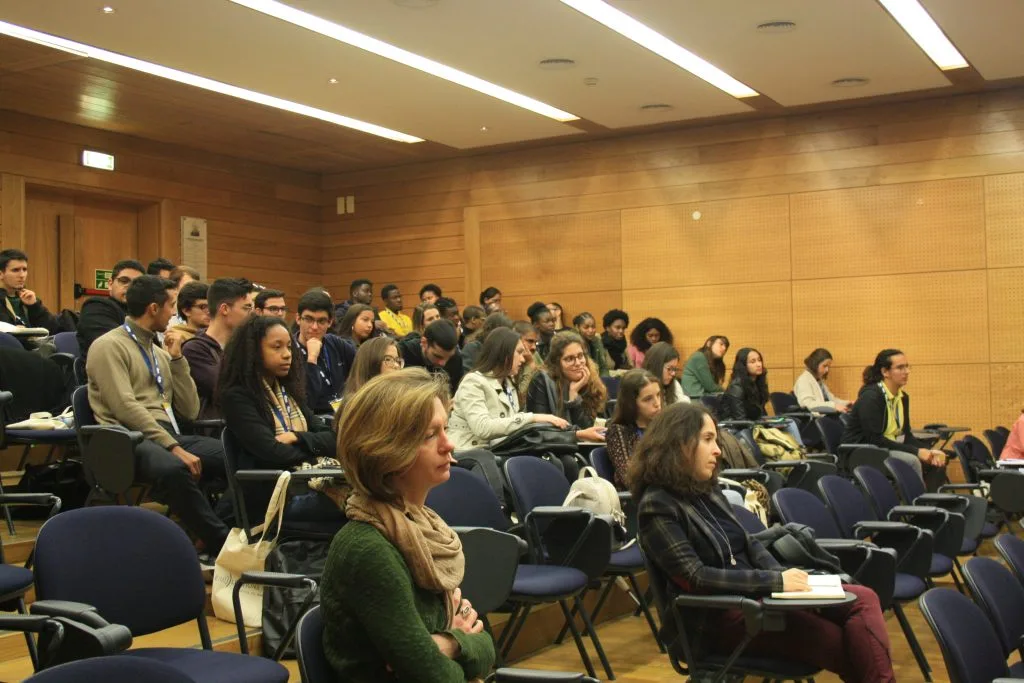
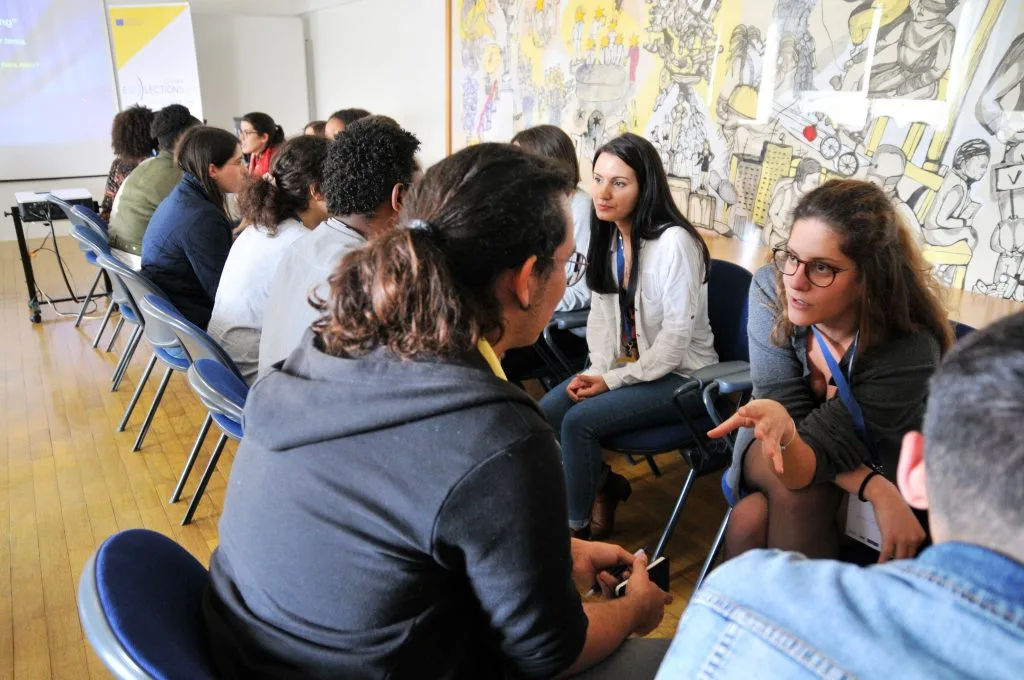
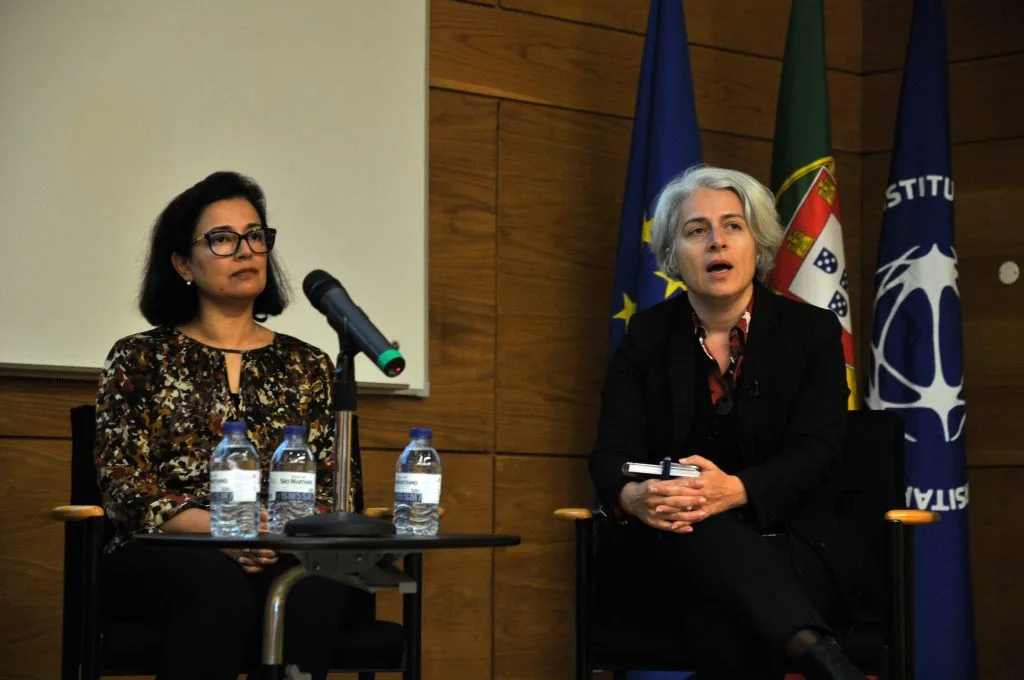
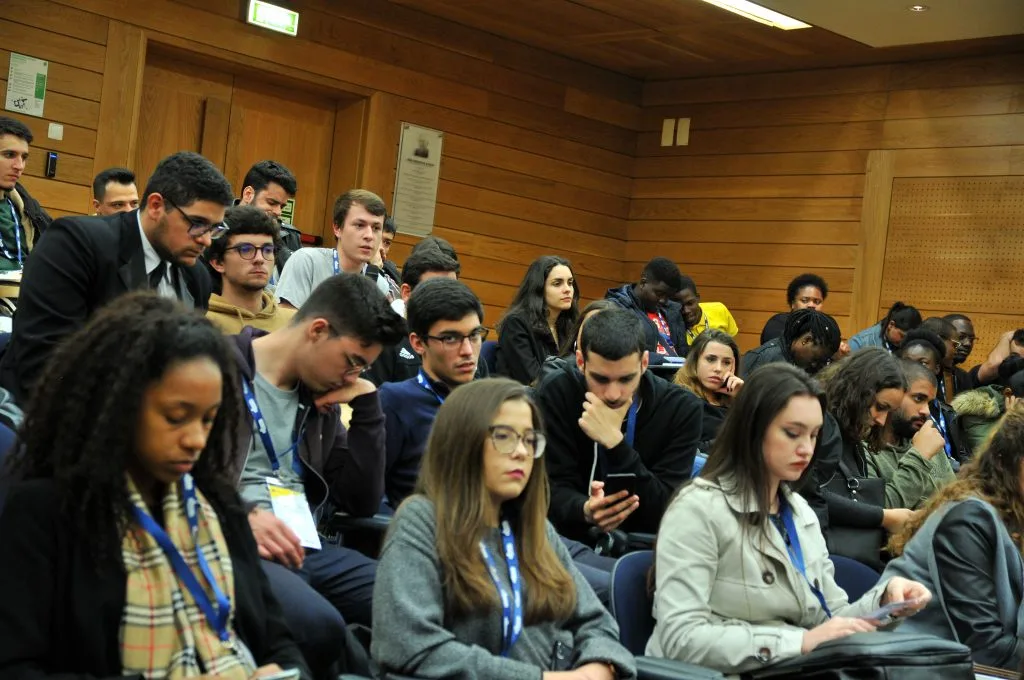
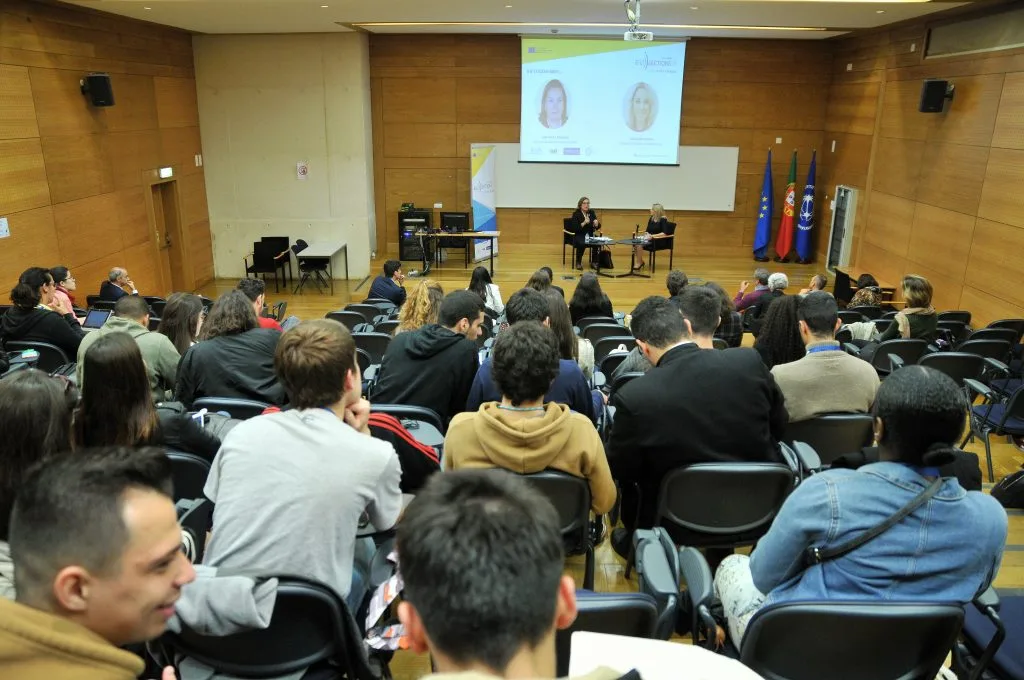
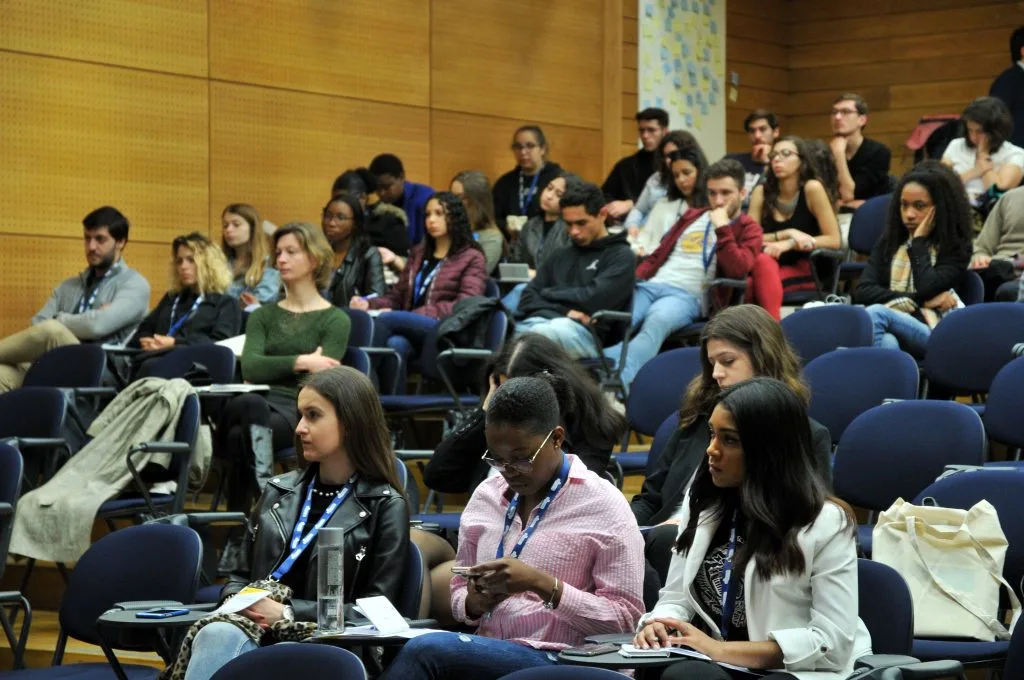
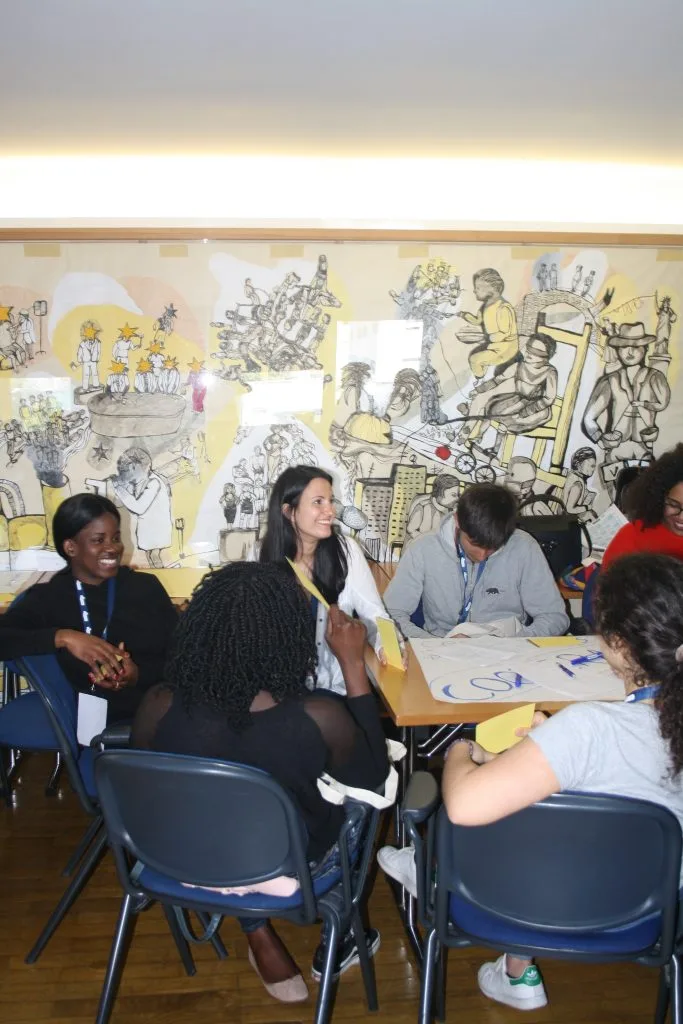
The first EULECTIONS’19 event in Portugal took place on May, 10, 2019, at Iscte- Instituto Universitário de Lisboa. This full event involved 92 citizens from the city of Lisbon, Portugal, mostly university students, for a full day dedicated to the European elections and the future of the EU.
This event aimed to bring awareness to the importance of youth participation at the 2019 elections for the European Parliament, question populist and extremist views and promote an informed and open debate about the current and future challenges of the European project and ways forward.
The event included various activities and methods (brainstorming, quizzes debates, workshops) and involved students, teachers, researchers, media, government officials and youth activists.
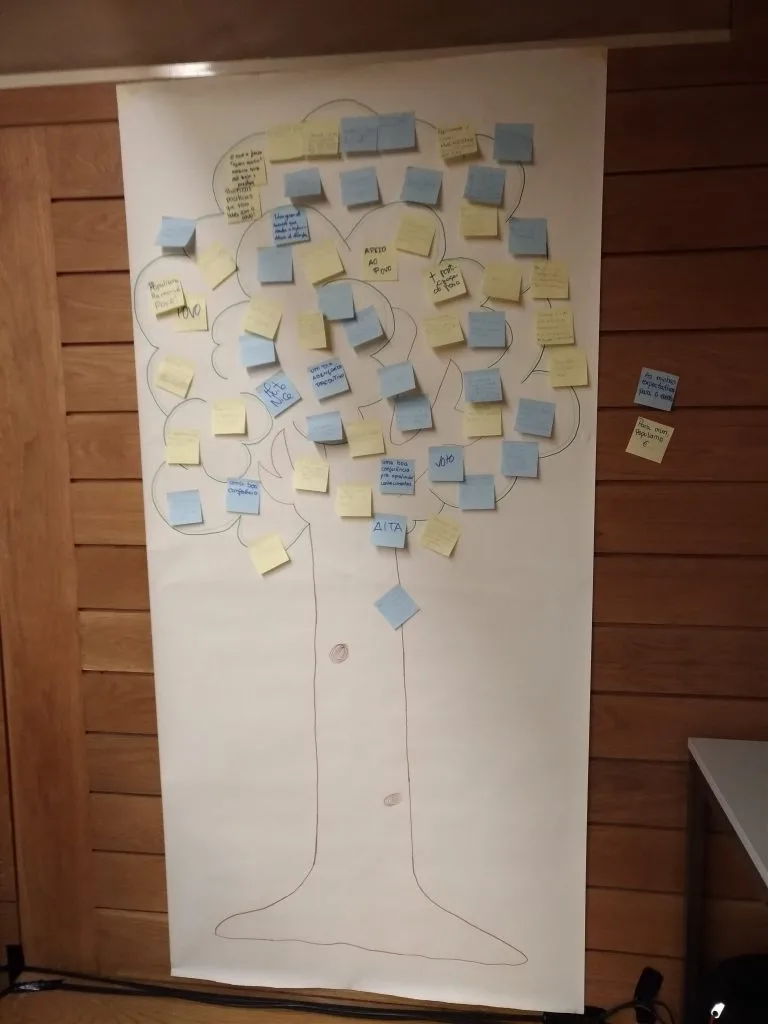
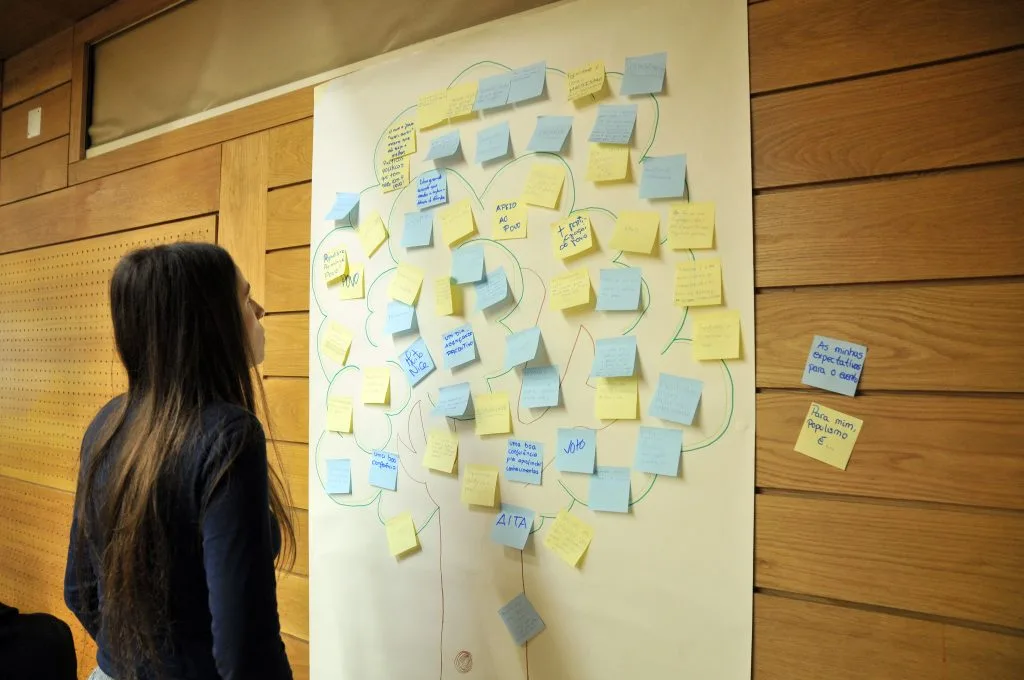
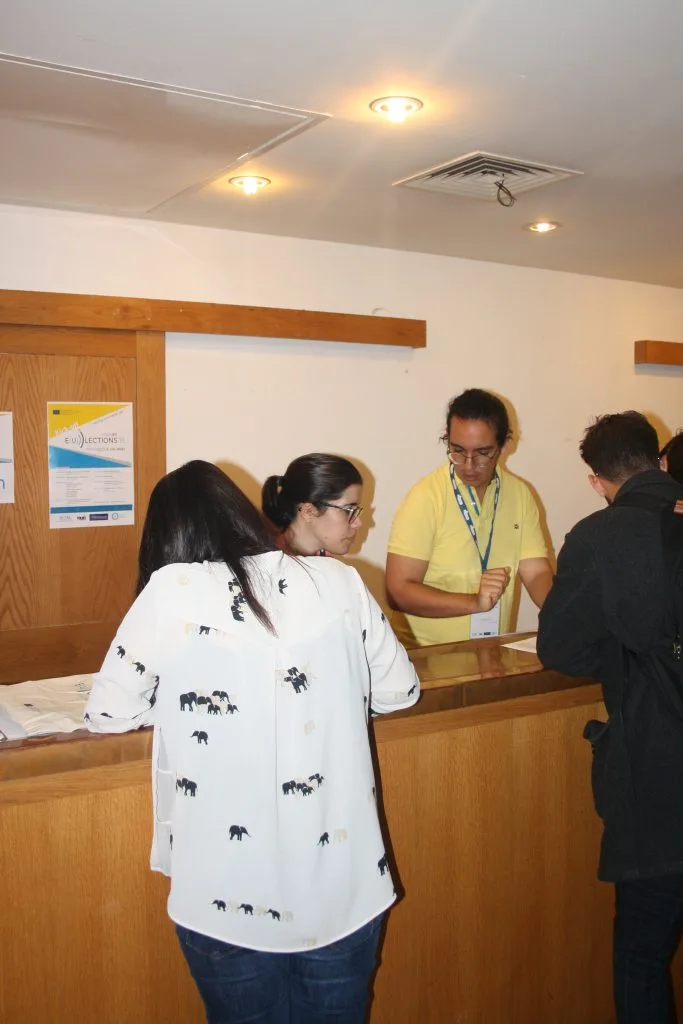
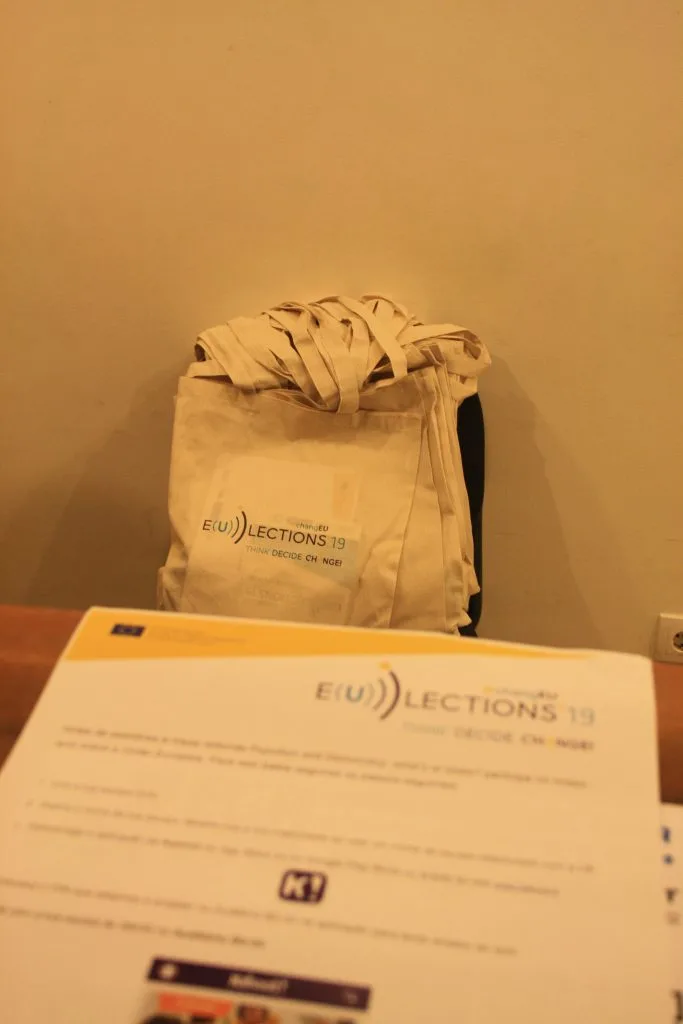
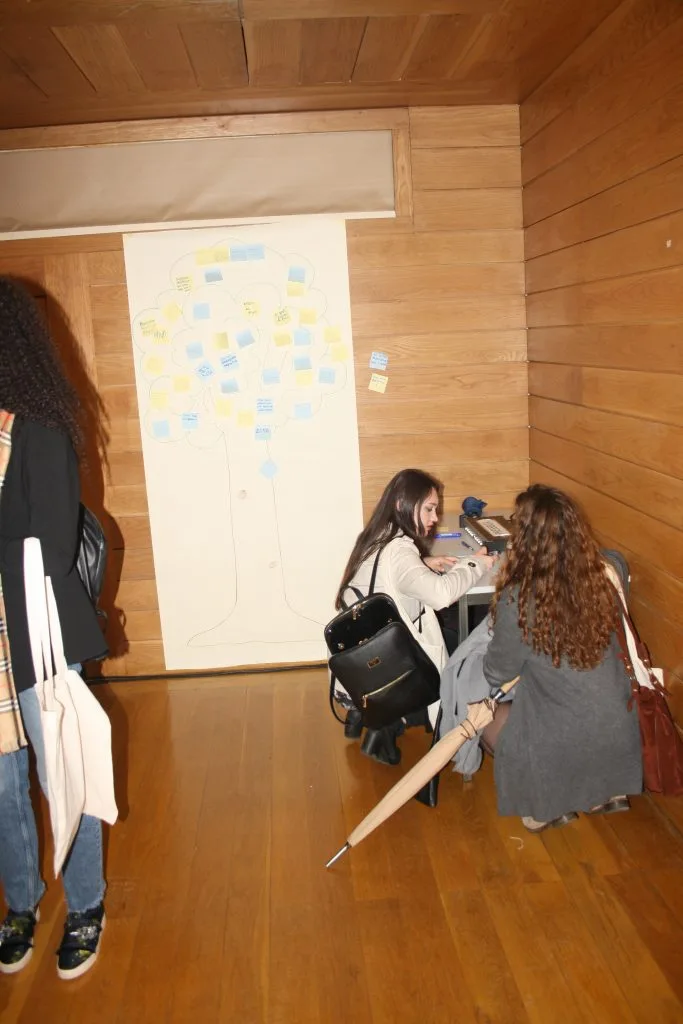
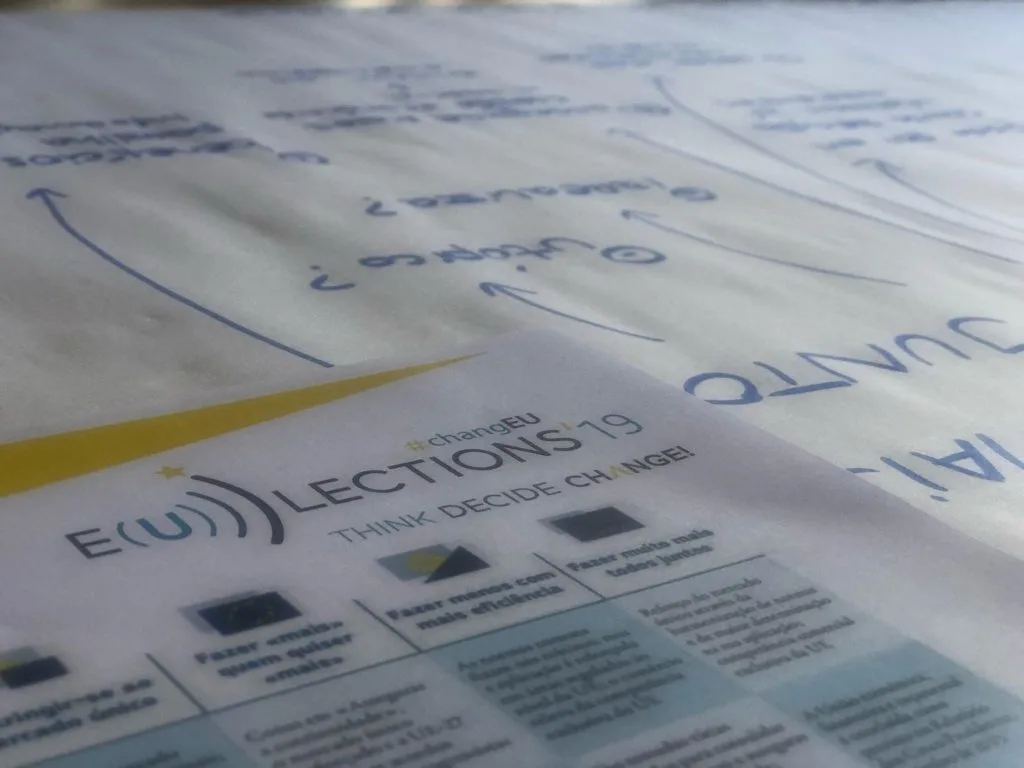
The day started with the participants’ welcome and registration at the event desk where everyone received a bag with promotional gifts, workshop materials and a brochure with information about the project. Then, in the first activity of the day, we invited participants to think and express their views about a very important topic for the 2019 European elections: the rise of populism. The “Tree of Europe” was built from the perspectives on the topic and showed youth’s perspectives about populist ideas and the elections.
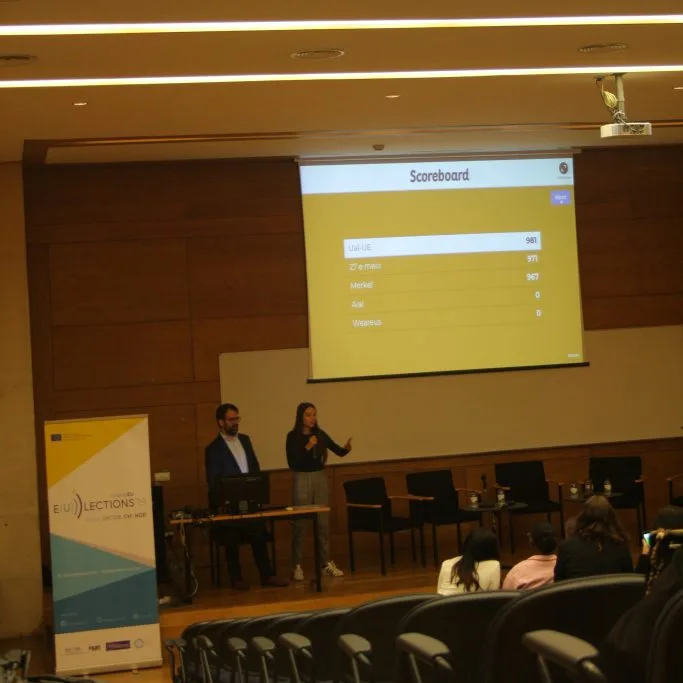
Considering the central role of information in questioning populist and extremist views, and also in promoting electoral participation, we invited participants to gather in groups and play the “Who wants to be an European Expert” quiz. This question and answer activity aimed to improve participants’ understanding of the importance and presence of the European Union in our daily lives and engage young people in the debate about Europe and the 2019 elections.
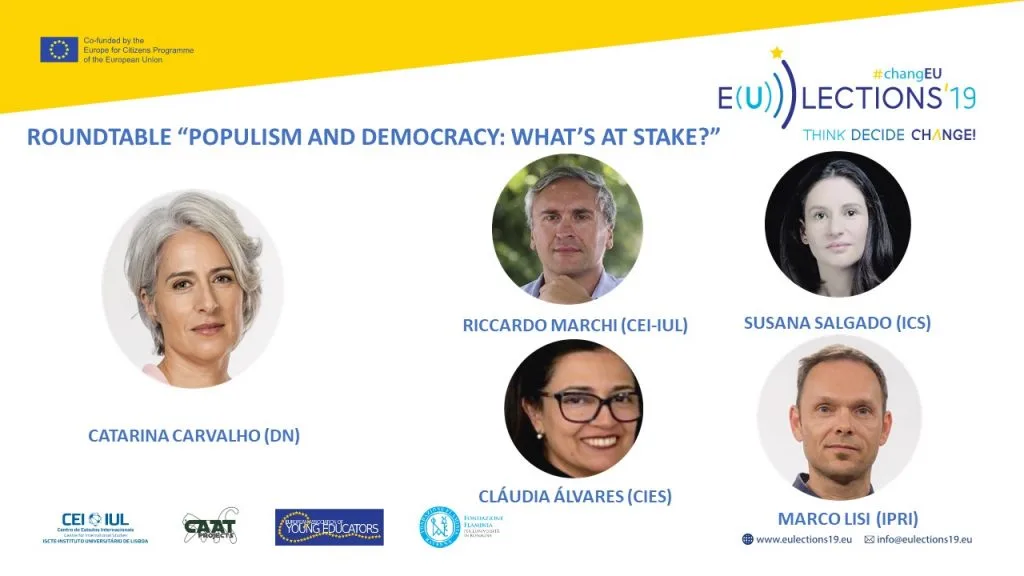
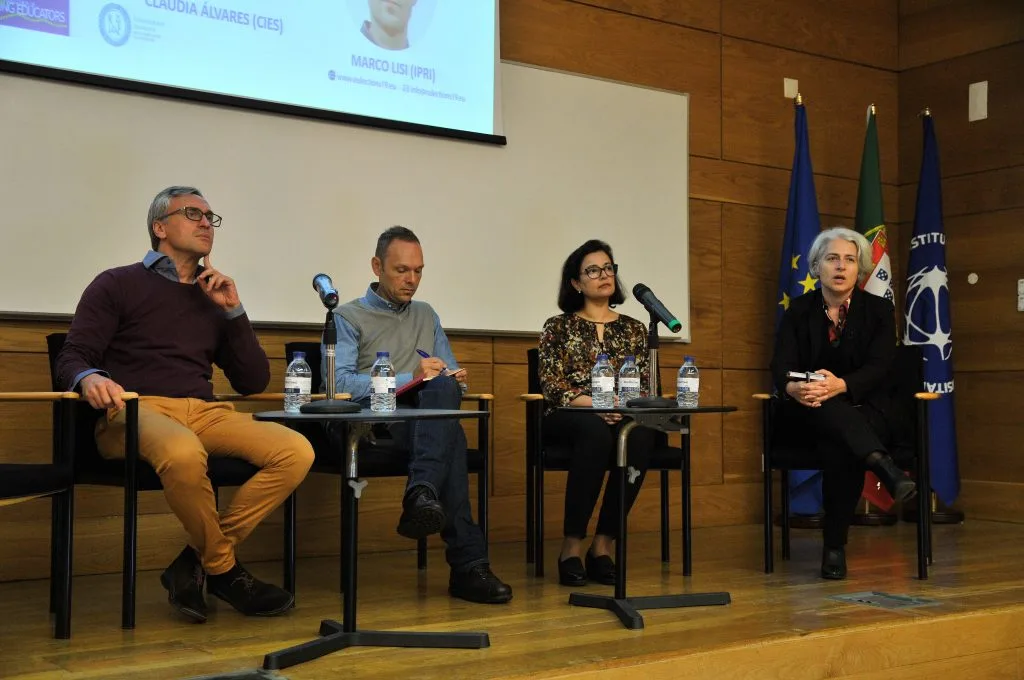
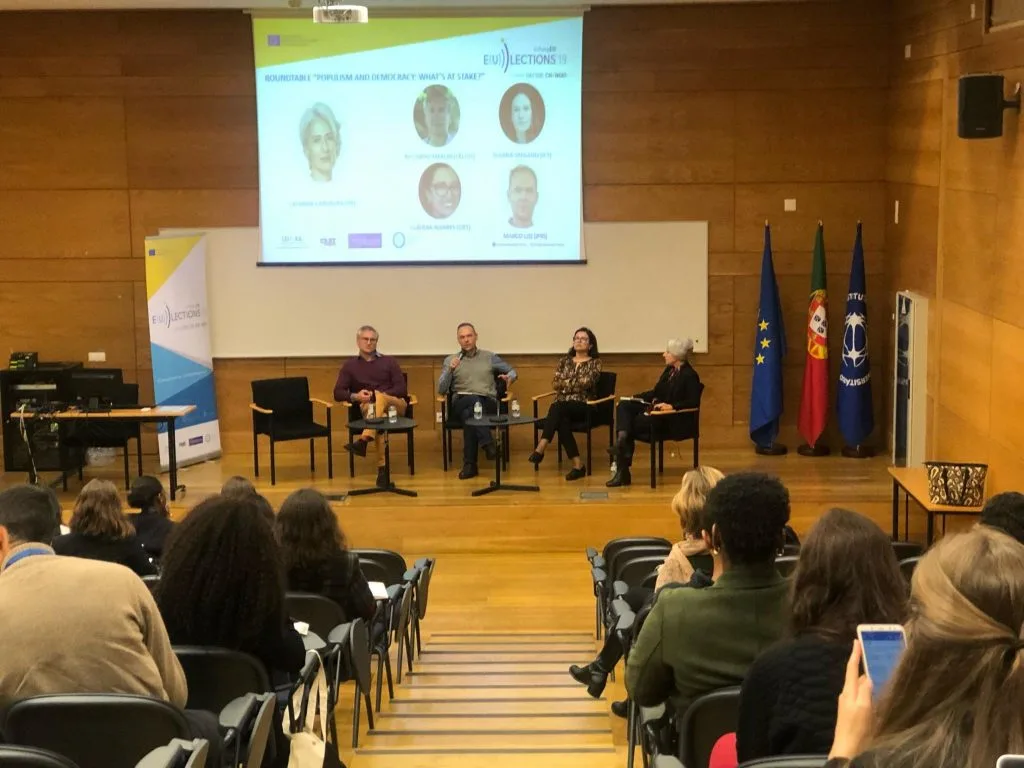
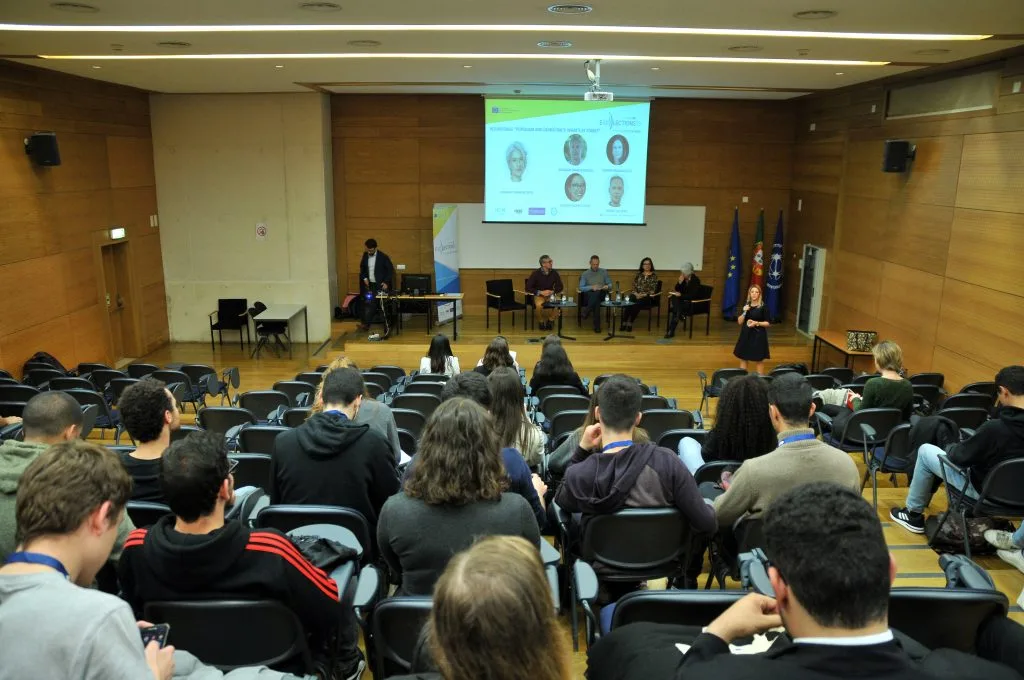
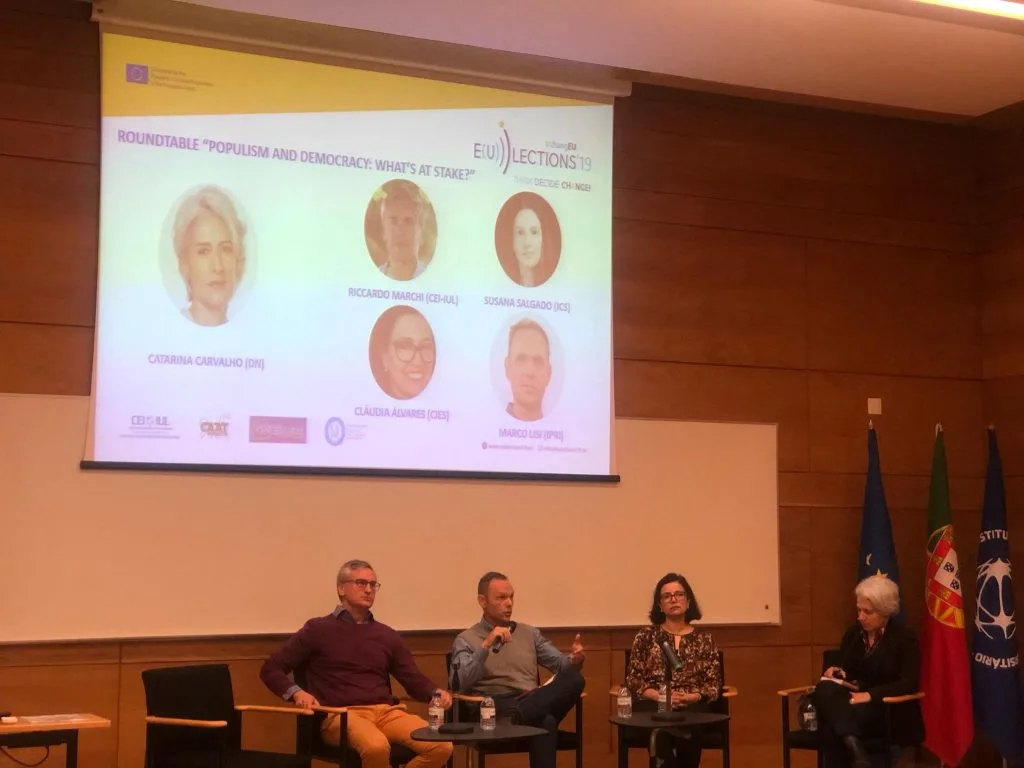
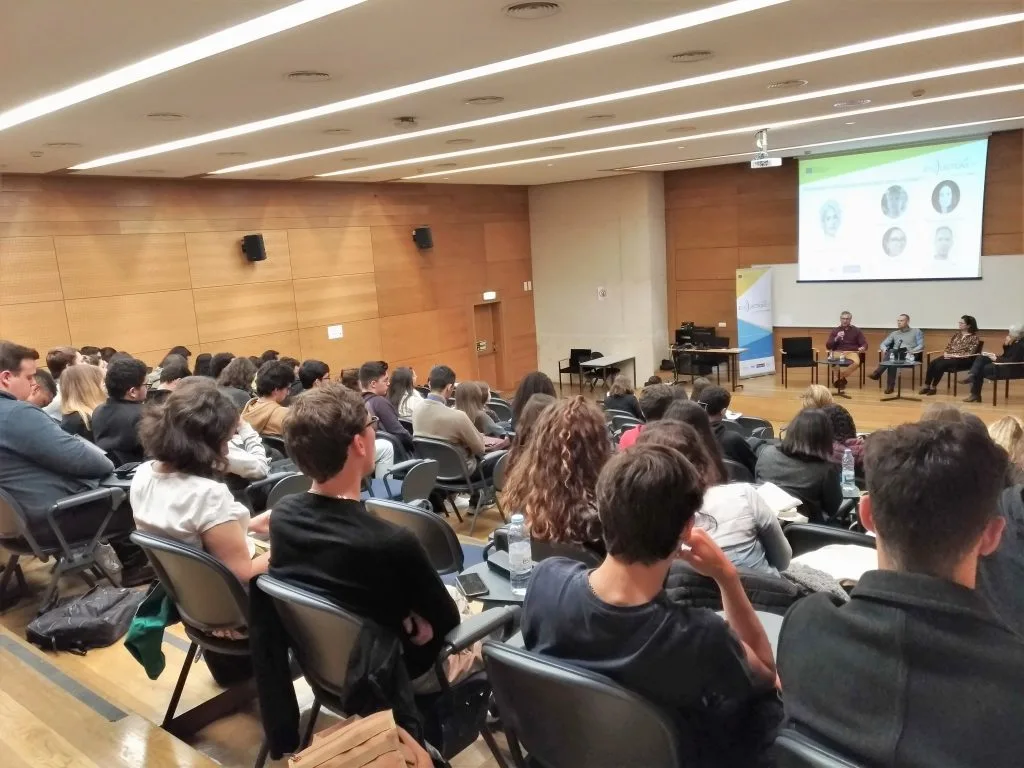
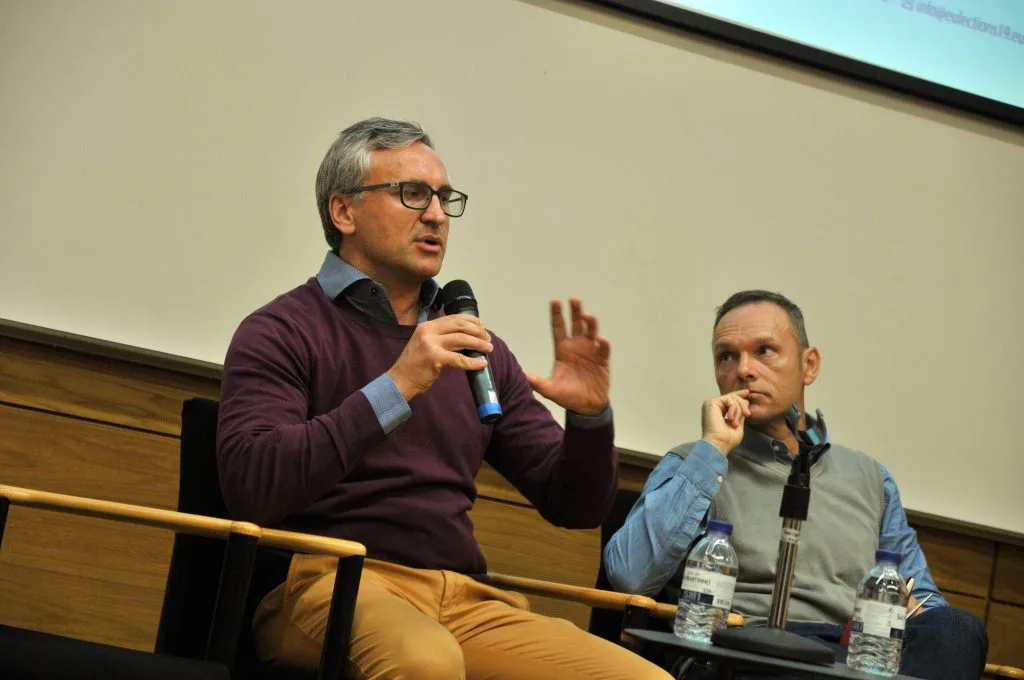
After the “warm up” activities, participants had the opportunity to discuss with academics, the rise of populism and its threats to the European Union, in a round-table entitled “Populism and democracy: what´s at stake?”. The debate aimed to give a broader view, based on research, of the challenges to the European democracies brought by populist and extremist movements and explore how citizens and governments at the national and European level can respond to these trends. The debate was moderated by the Executive Editor in Chief of the Portuguese newspaper “Diário de Notícias”, Catarina Carvalho.
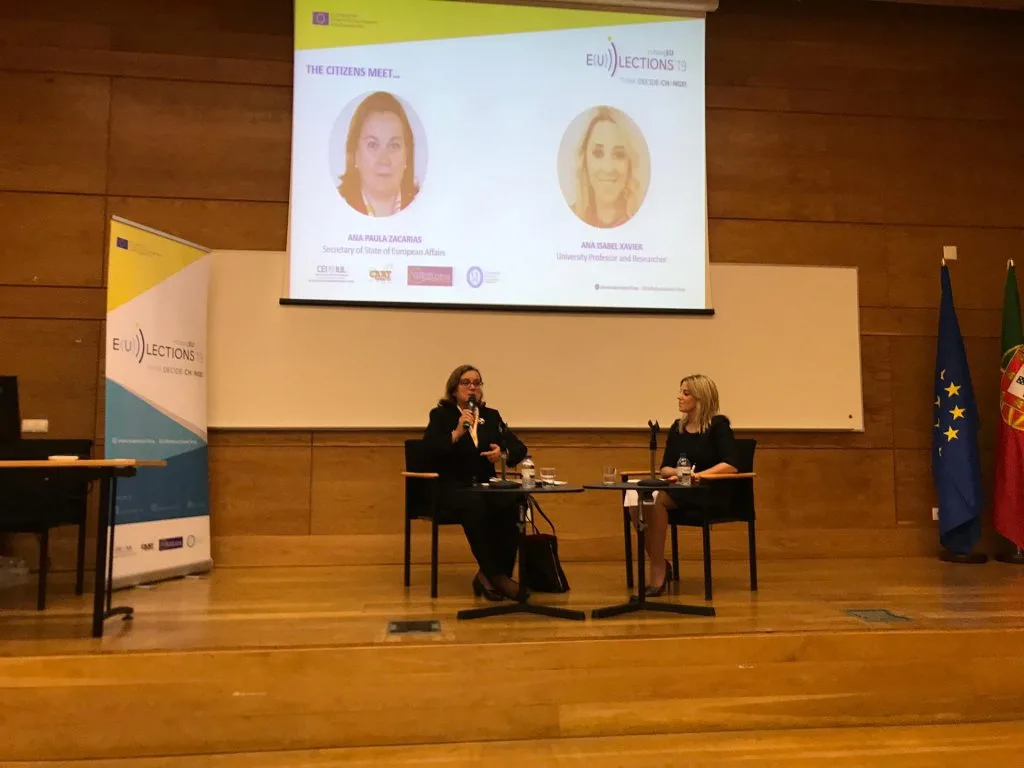
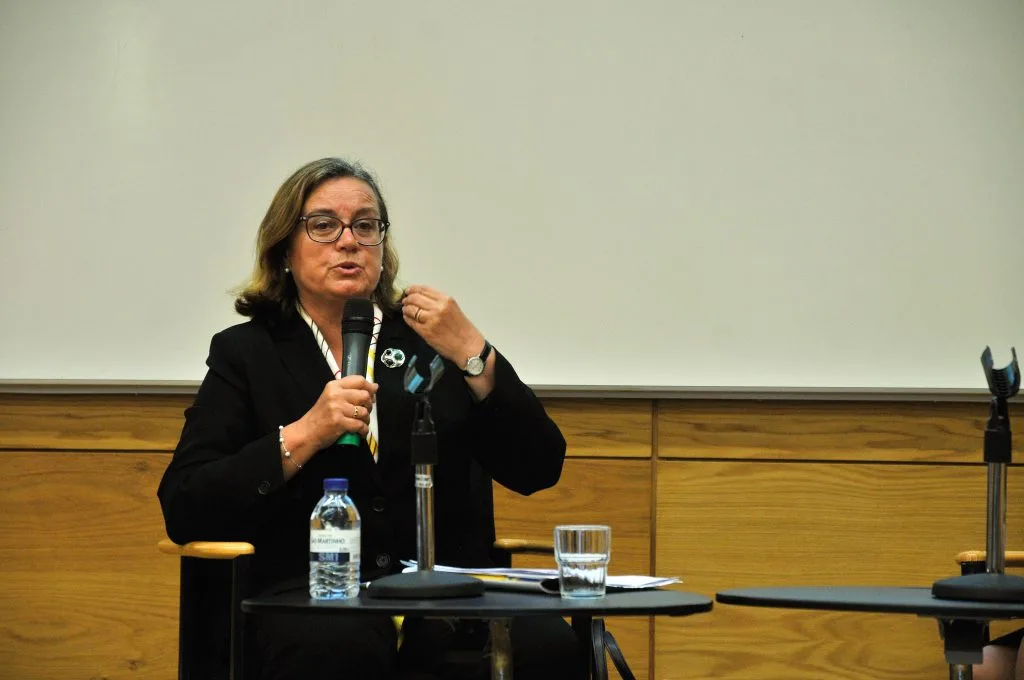
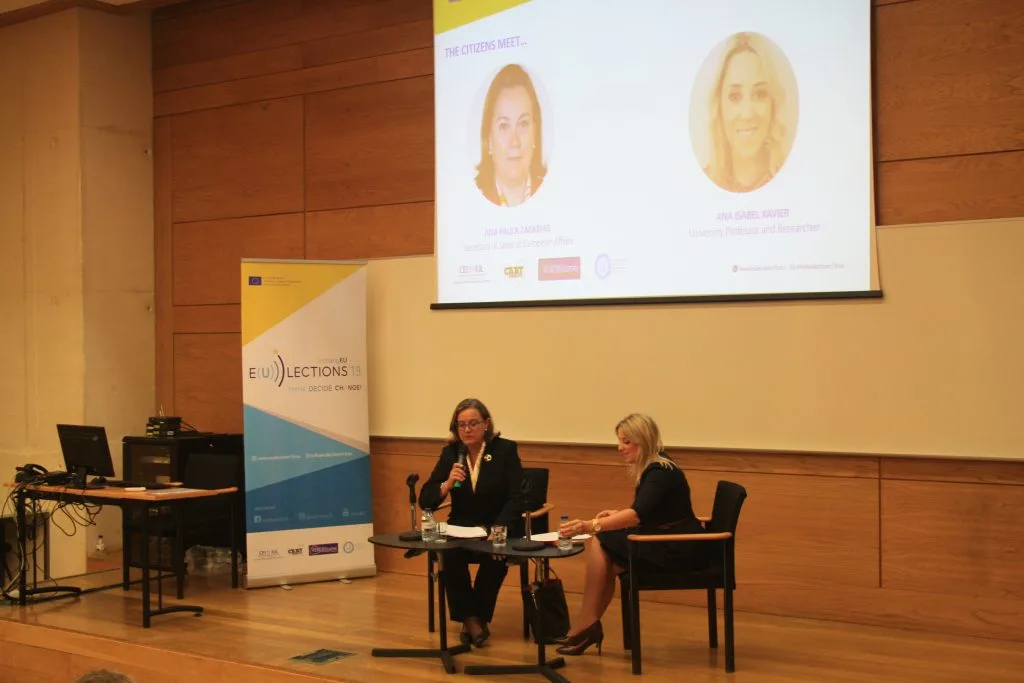
Following the debate with academics and the media, we welcomed the Portuguese Secretary of State of European Affairs, Ana Paula Zacarias. In this activity, entitled “The citizens meet… Ana Paula Zacarias”, participants had the opportunity to learn more about the work done within this State Secretariat and to present questions about the European neighbourhood policy and the future of the European Union. This conversation was hosted by the project coordinator, Ana Isabel Xavier.
This activity aimed to promote a closer interaction between young citizens and government representatives in charge of European affairs and contribute to a better understanding of how European institutions work, the EU current challenges and ways forward.
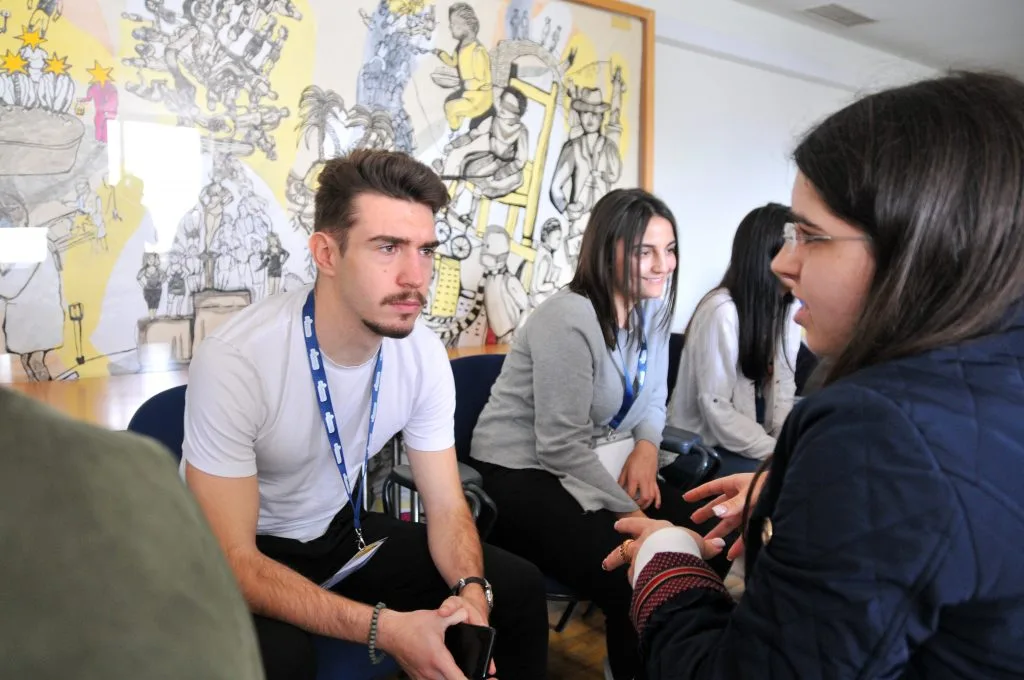
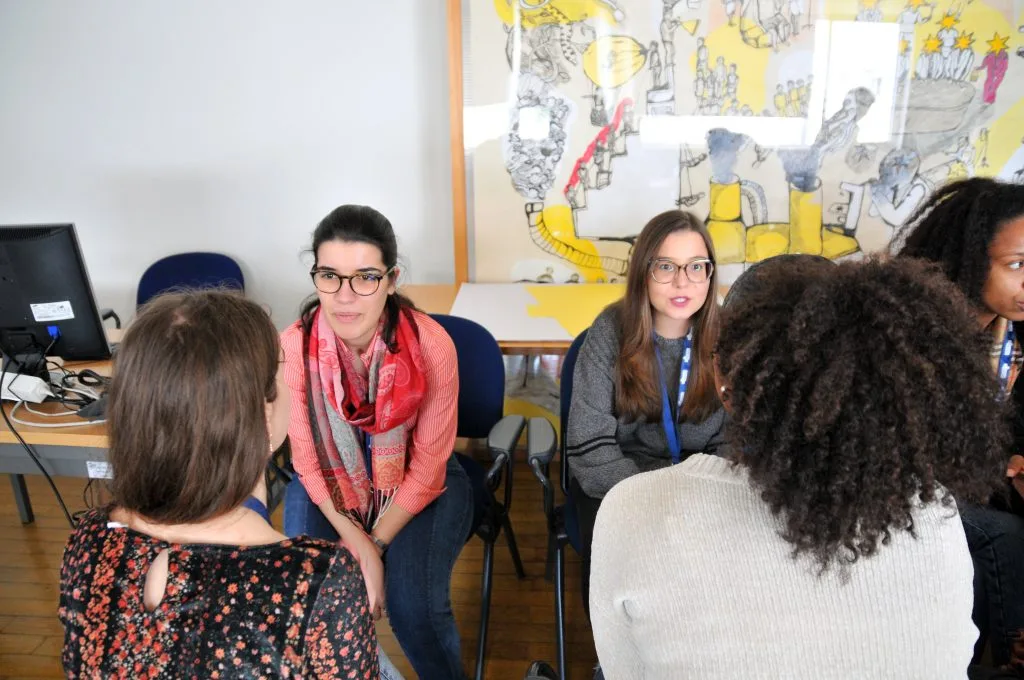
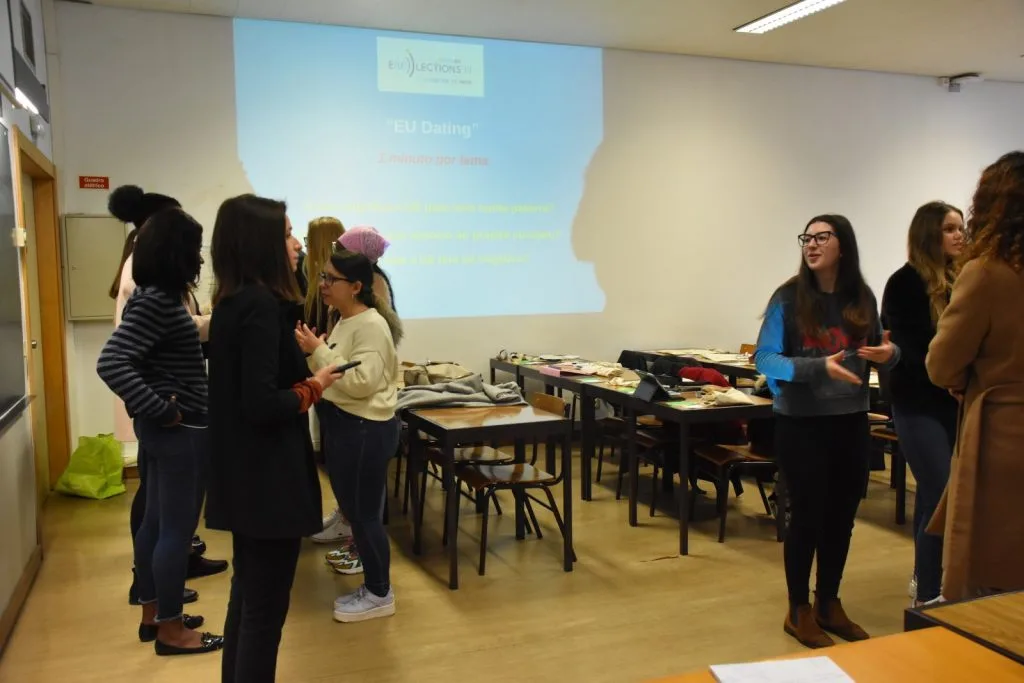
The last part of the event was the training session “May the vote be with EU: workshop on future scenarios”. It started with a “EU dating” in which participants had to share with each other their answers to questions like “What does it mean to be an European Union citizen” and “Why will I vote for the future European Parliament elections?”.
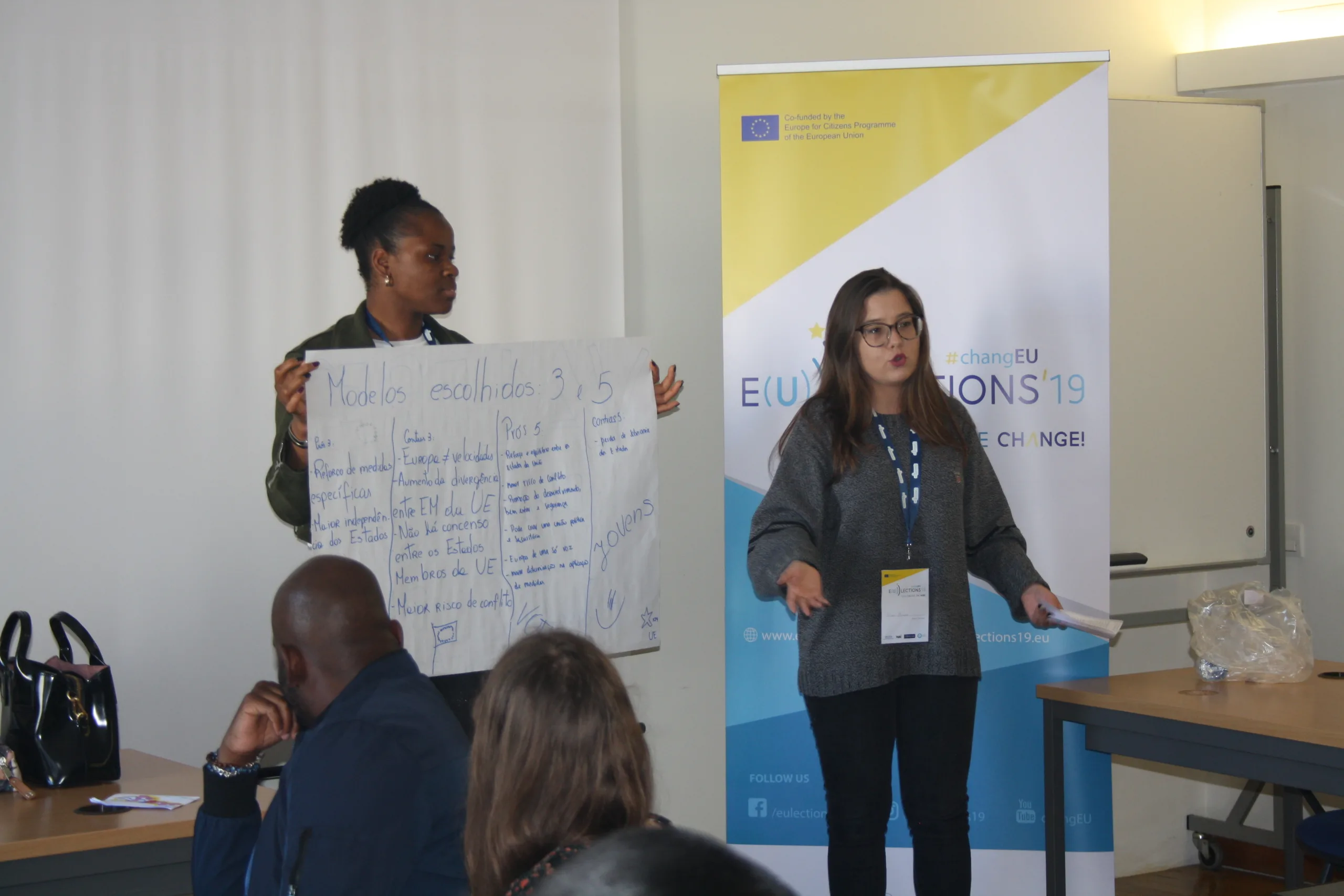
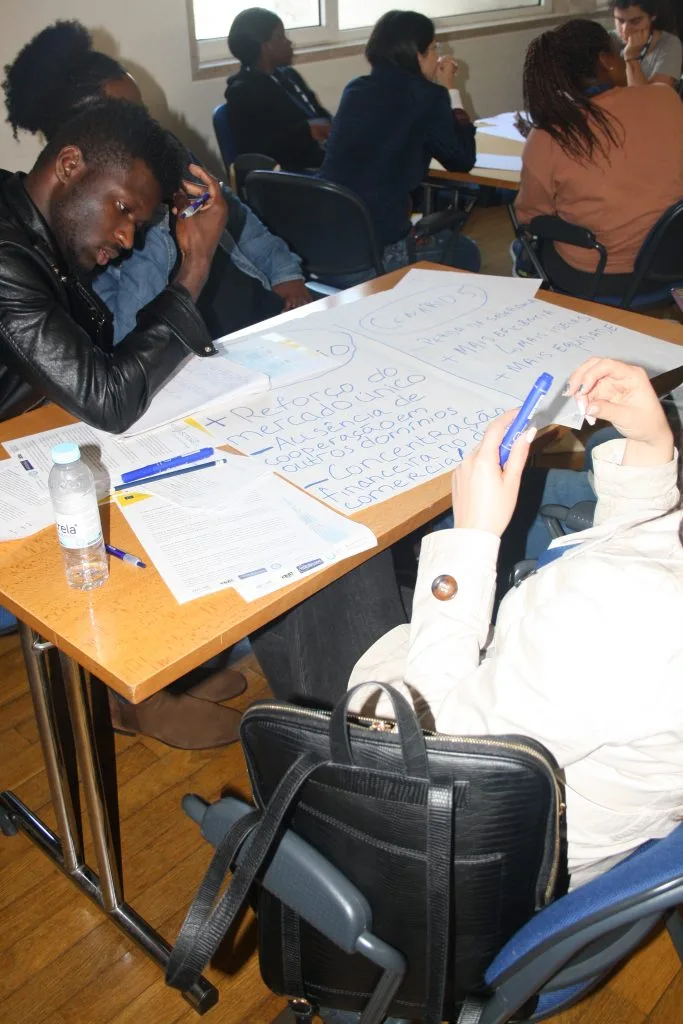
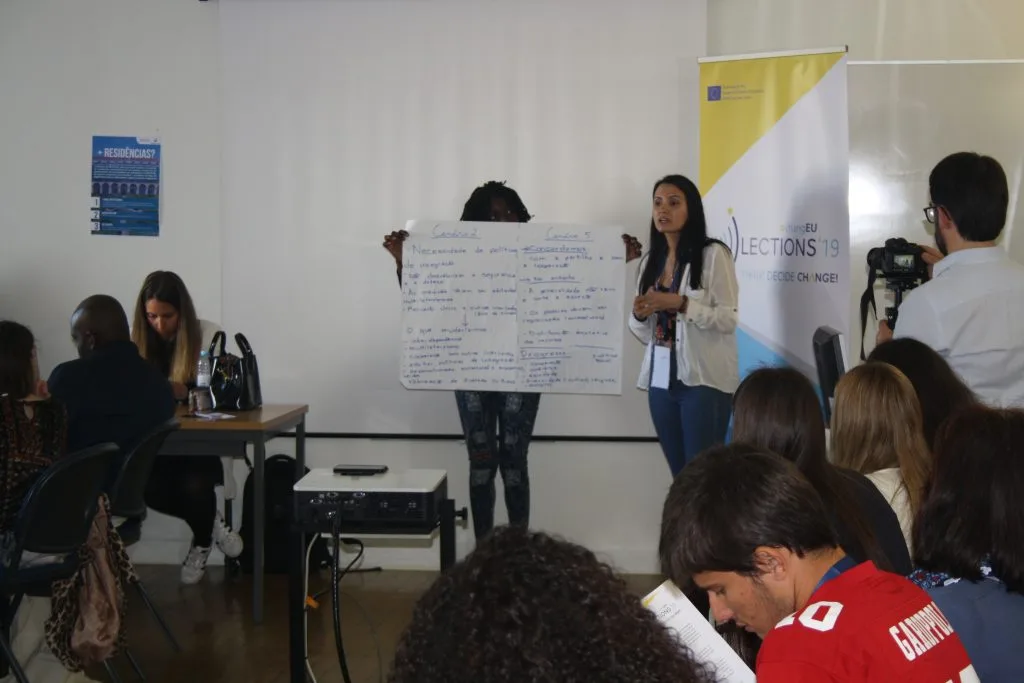
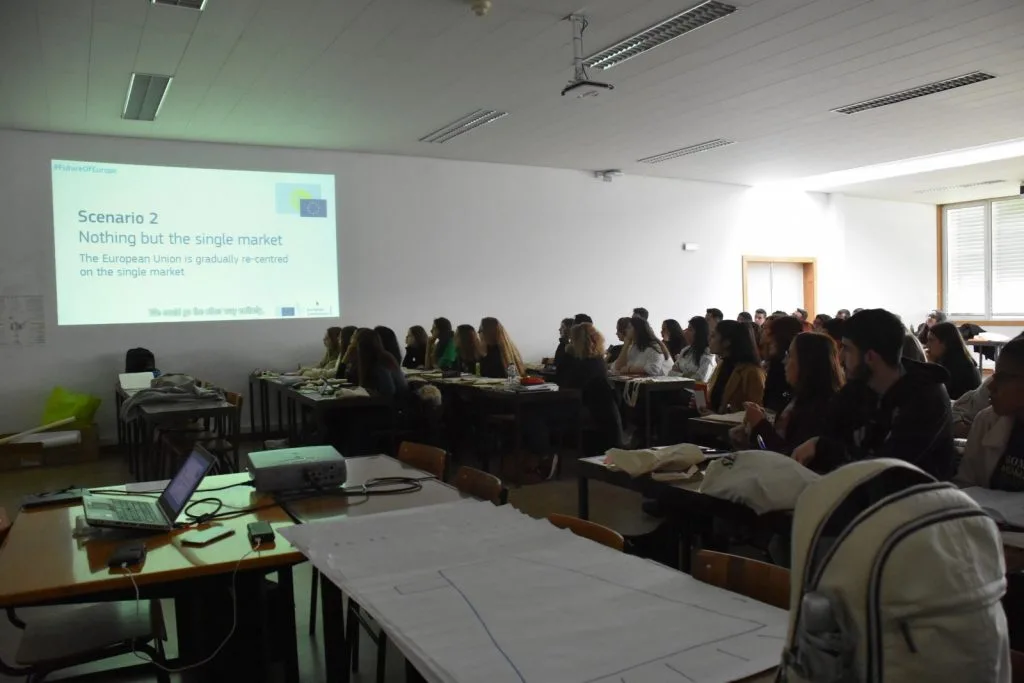
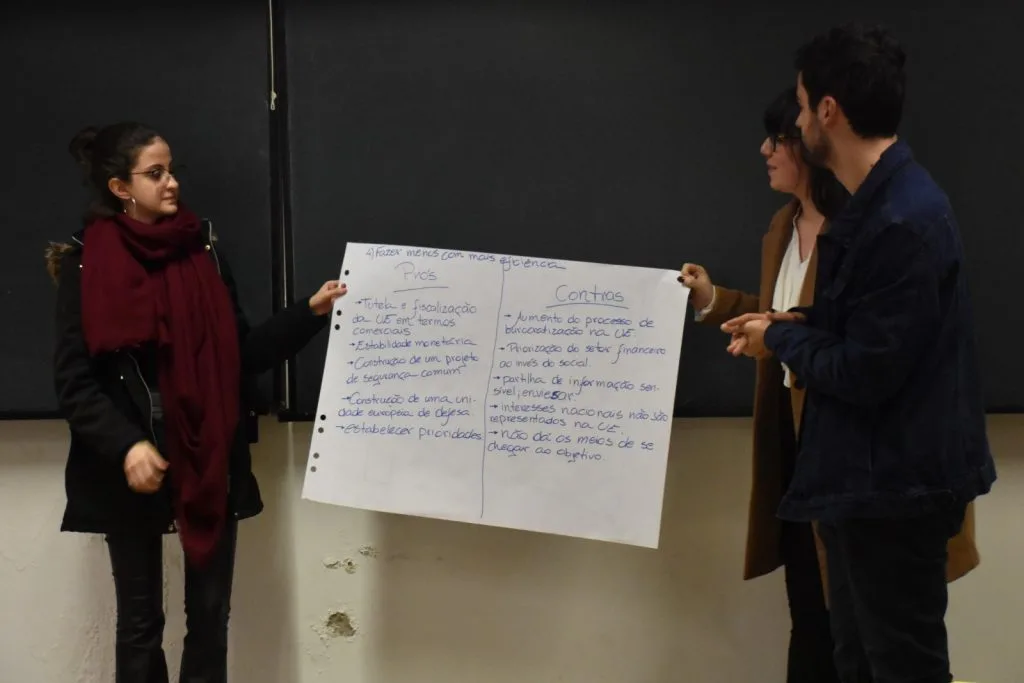
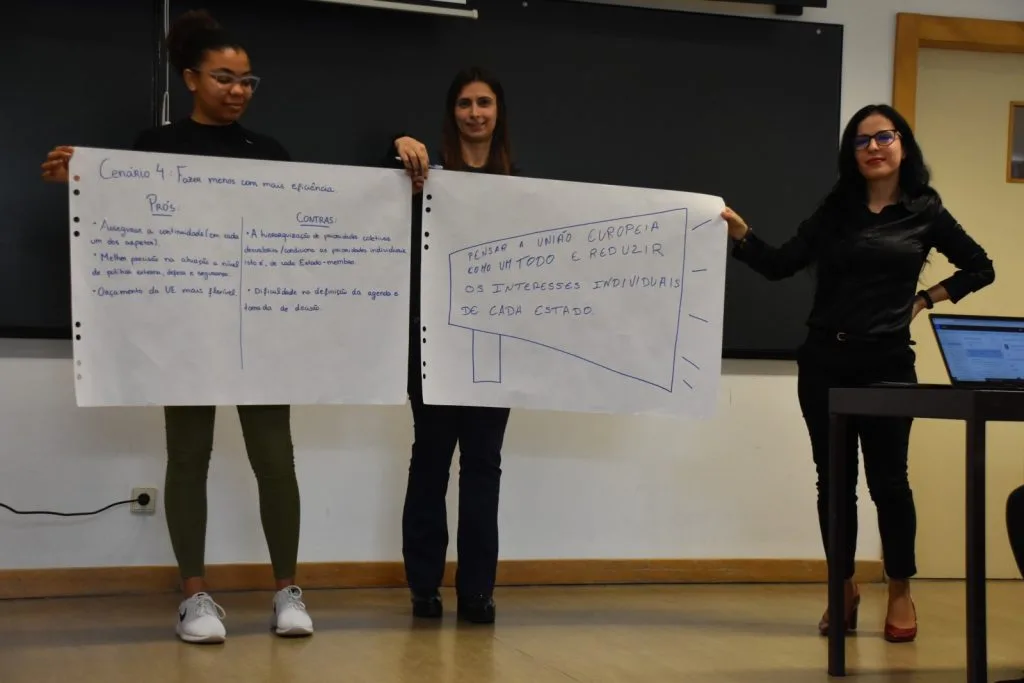
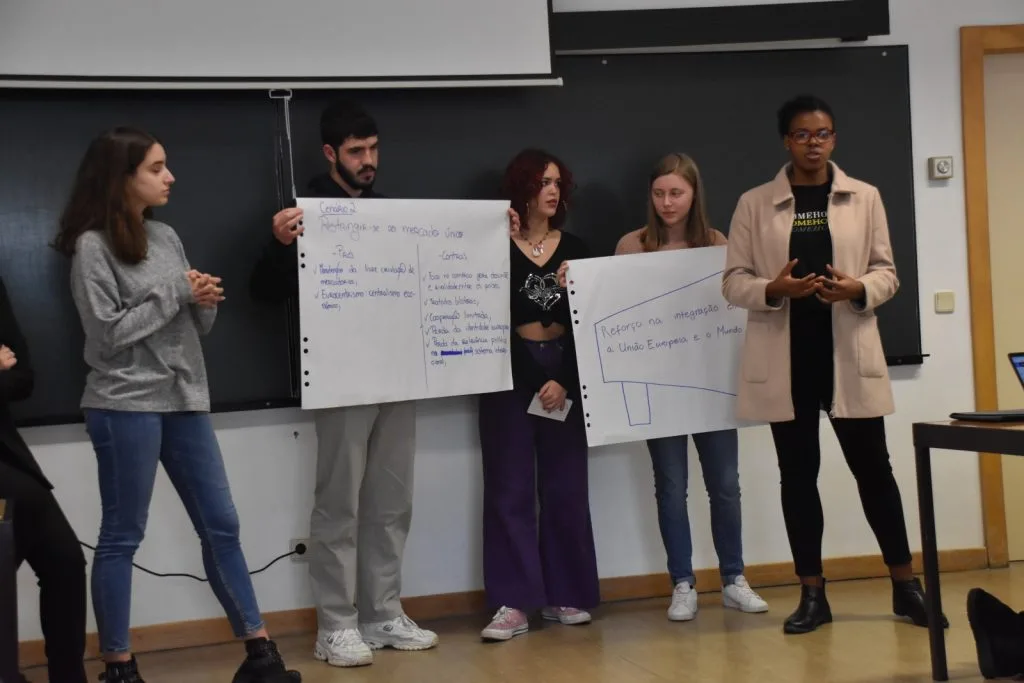
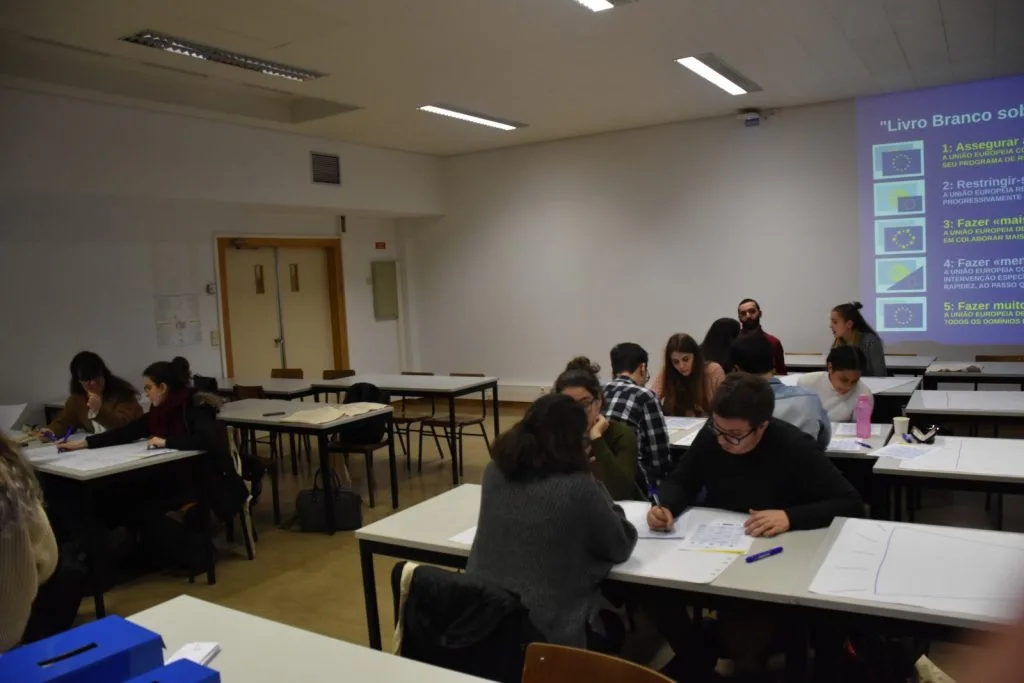
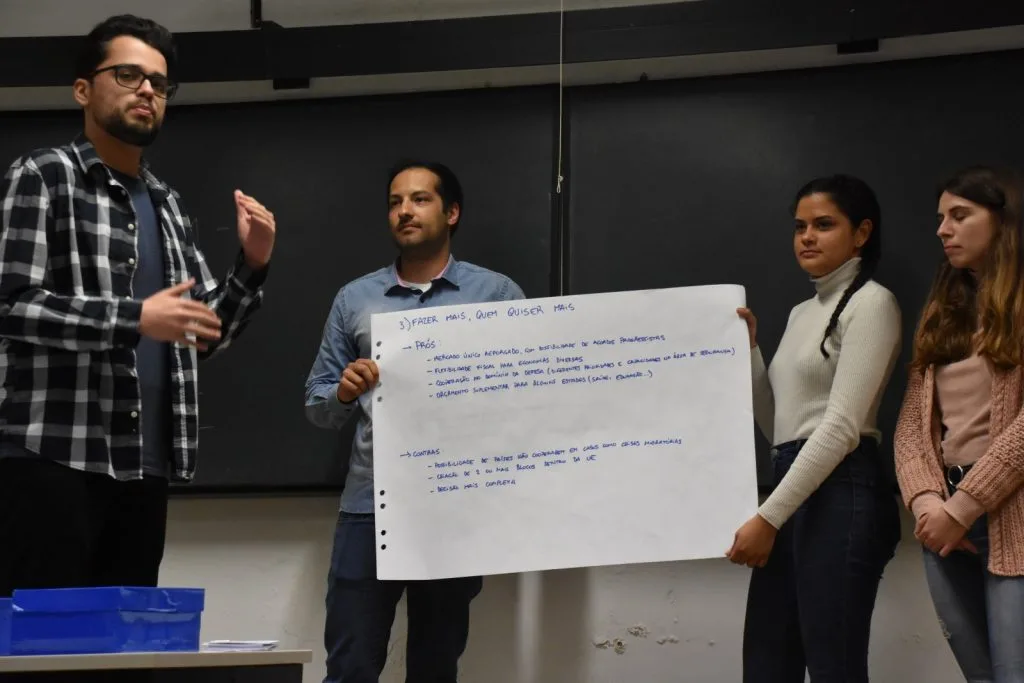
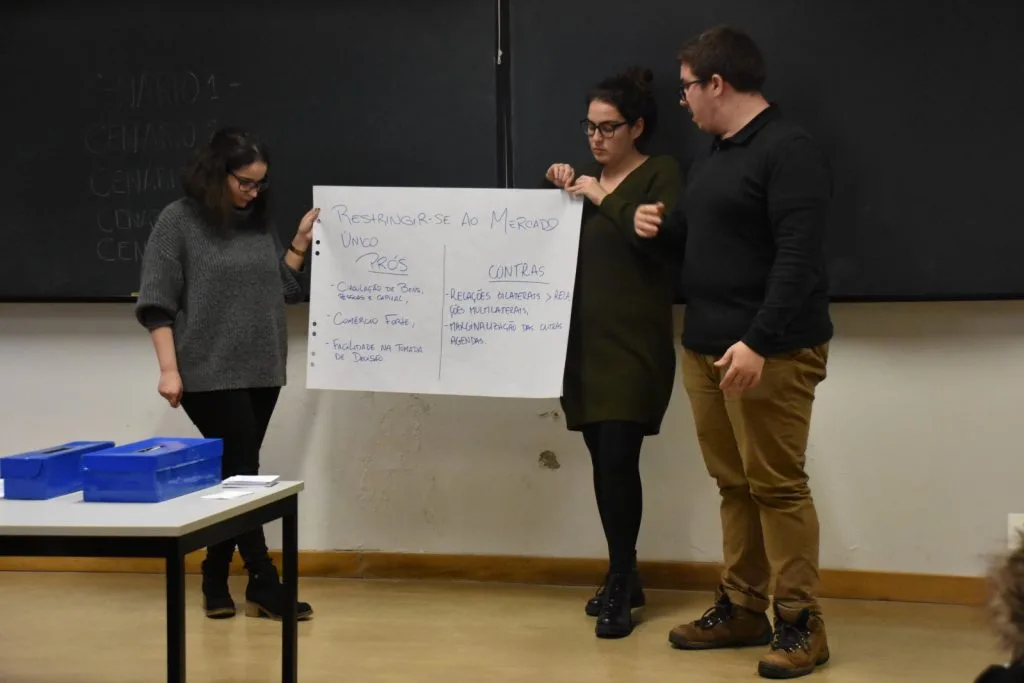
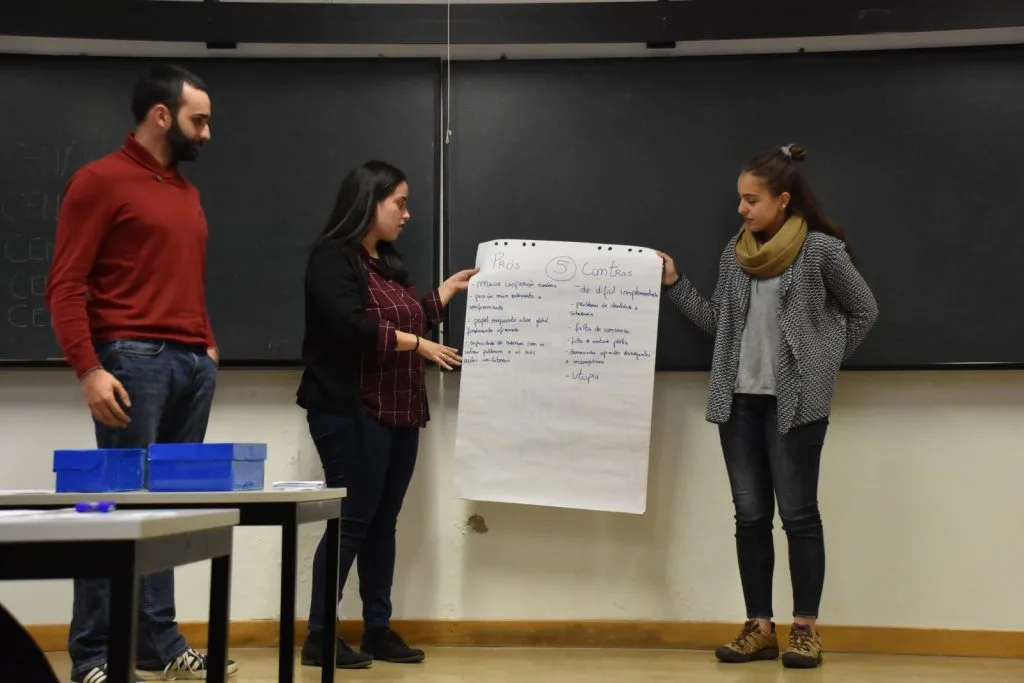
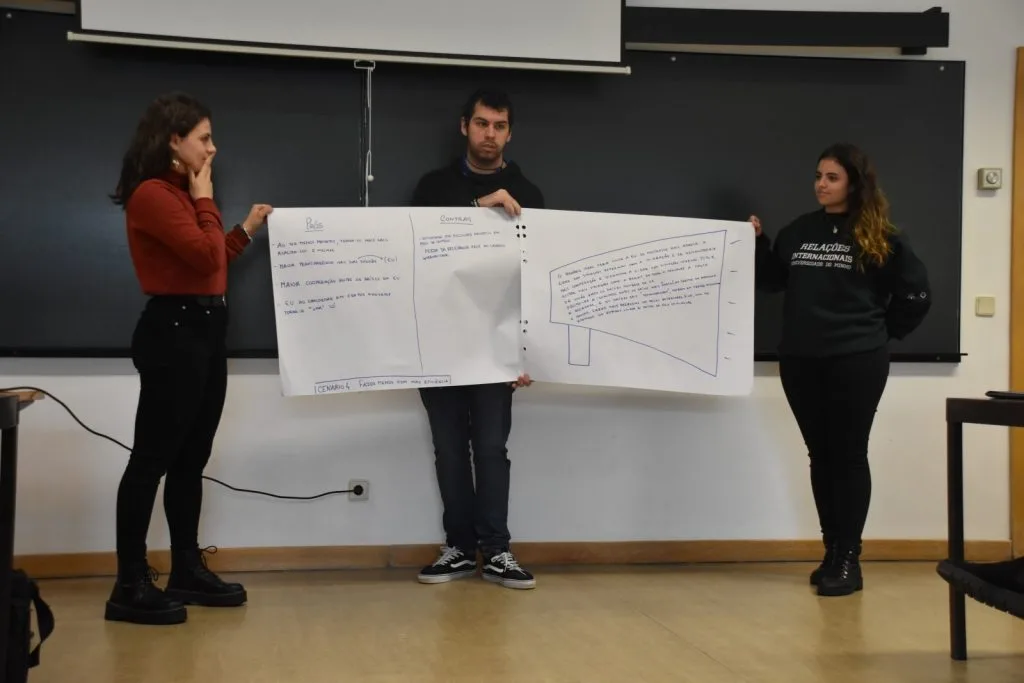
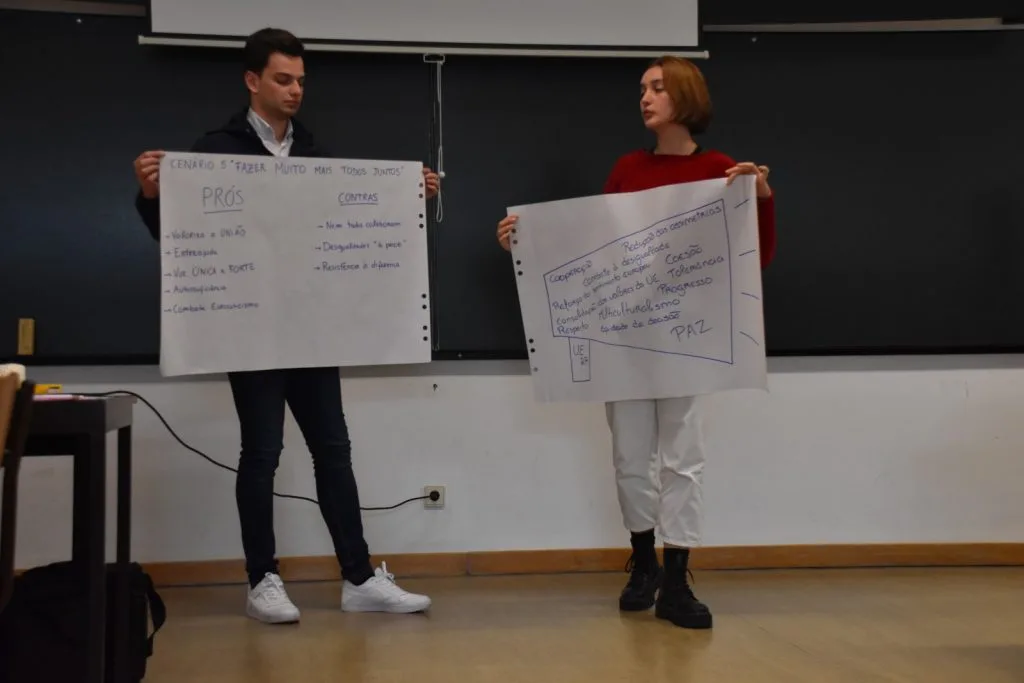
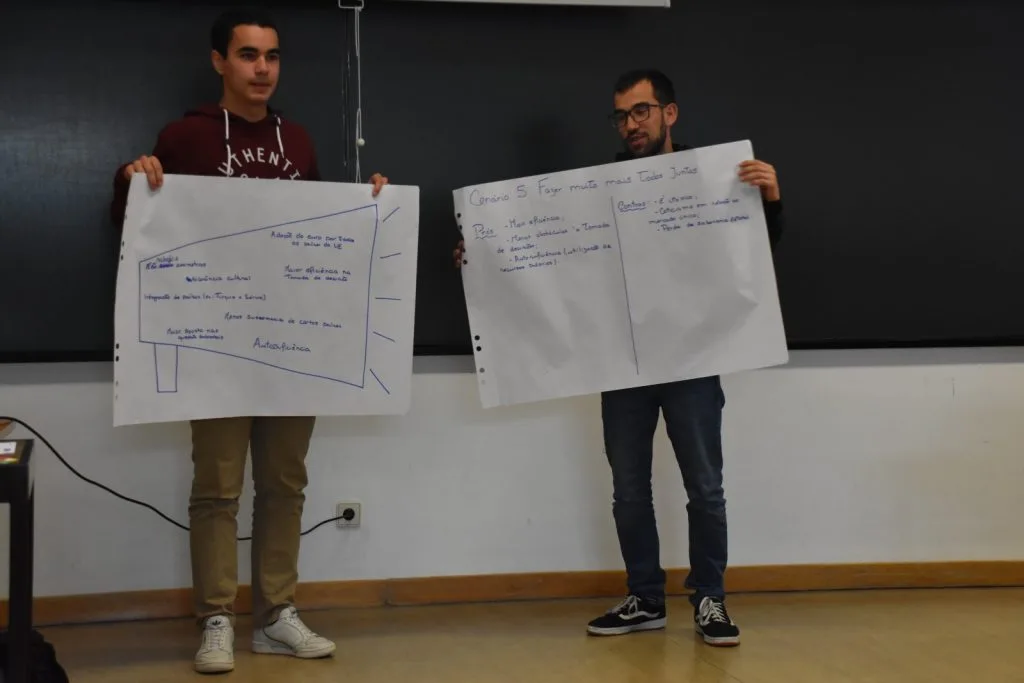
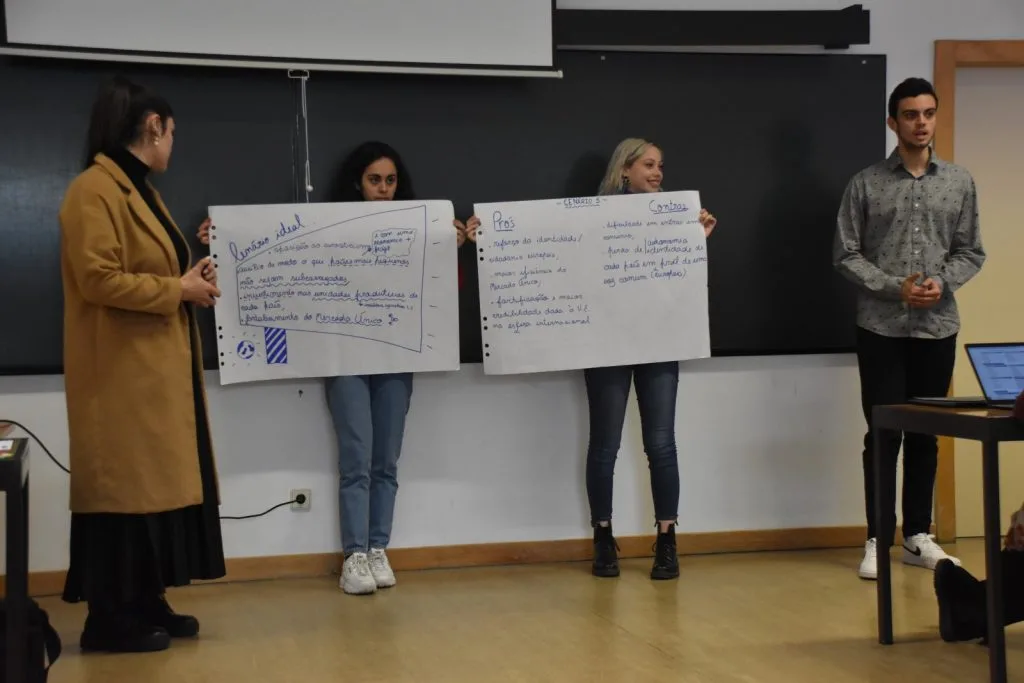
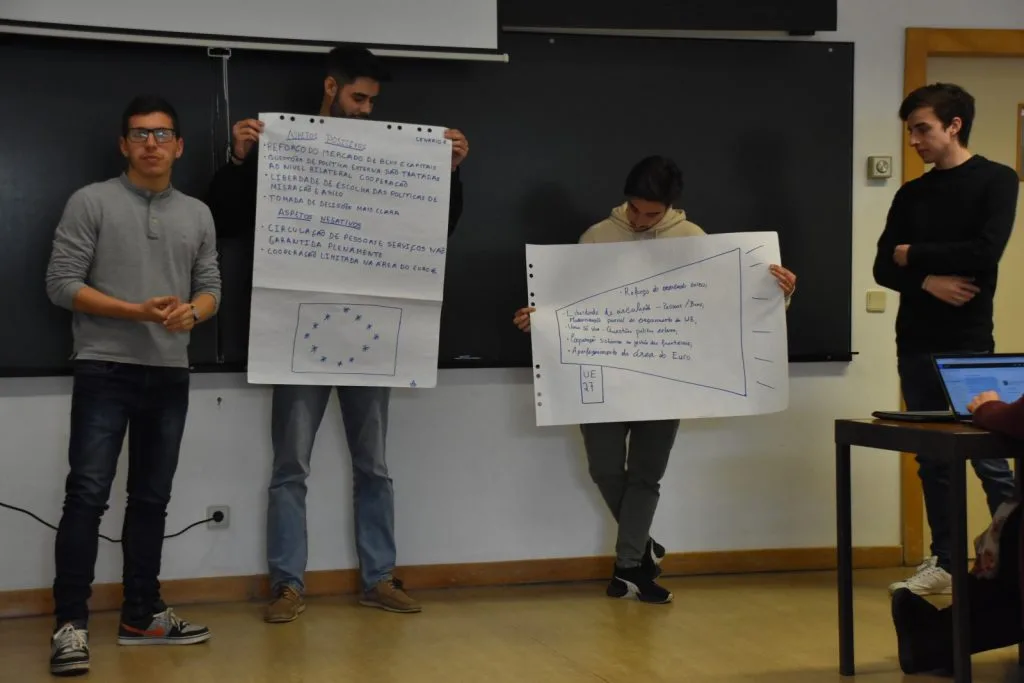
Afterwards, divided in small groups, each group had to discuss the pros and cons of each scenario reflected in the “White Paper on the Future of Europe: Reflections and scenarios for the EU27 by 2025” of the European Commission and present it to the whole group. In the end of this activity, each group created what they considered to be an “ideal scenario” for the future of European Union, with their recommendations and opinions.
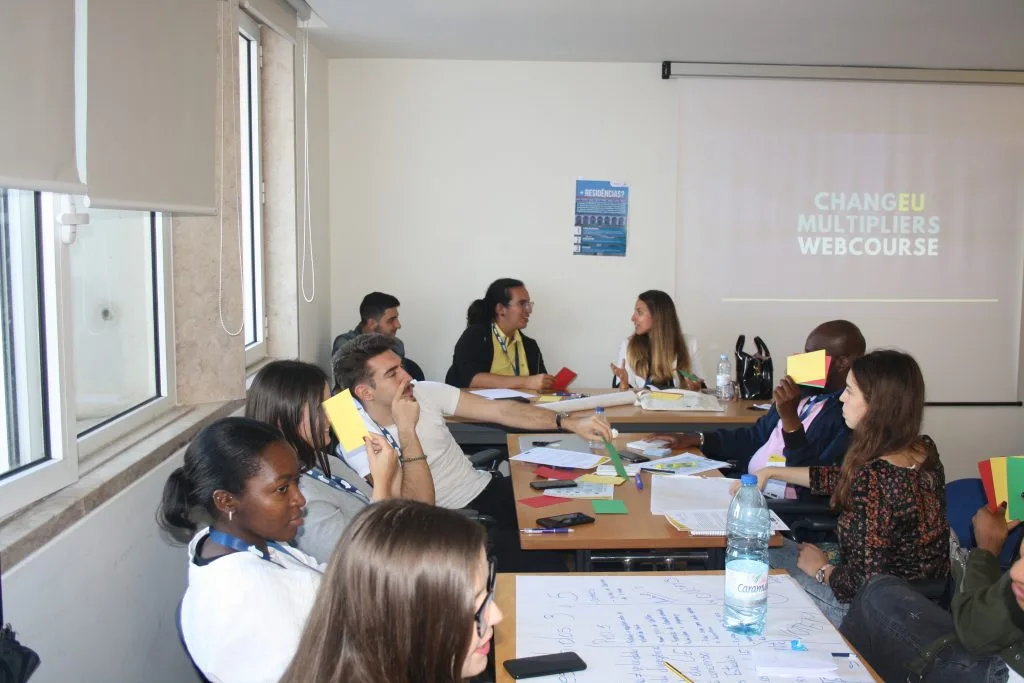
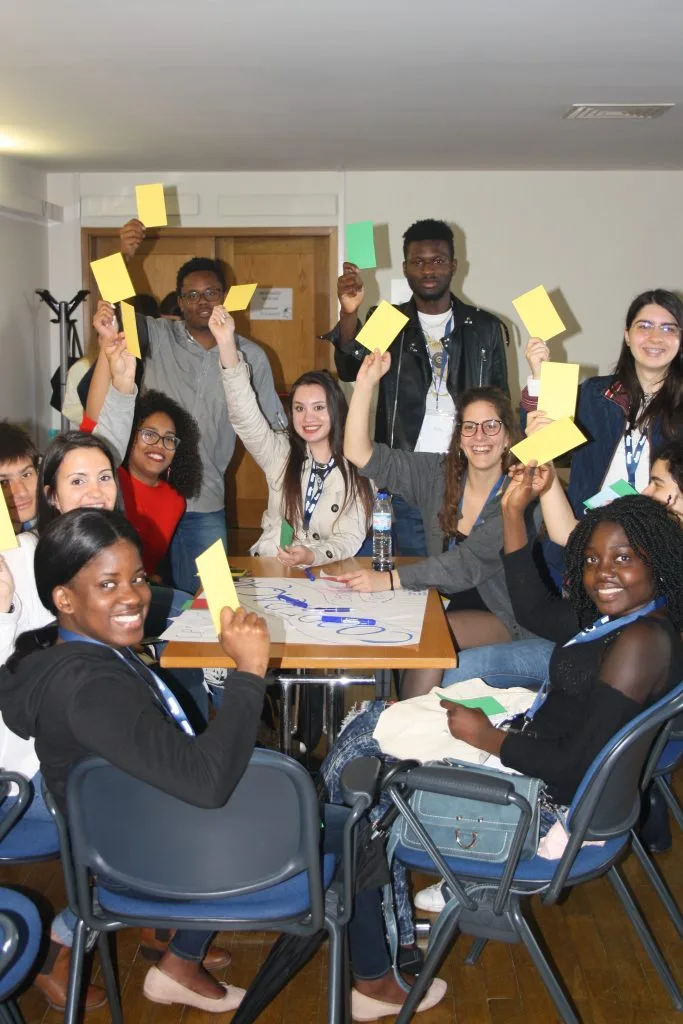
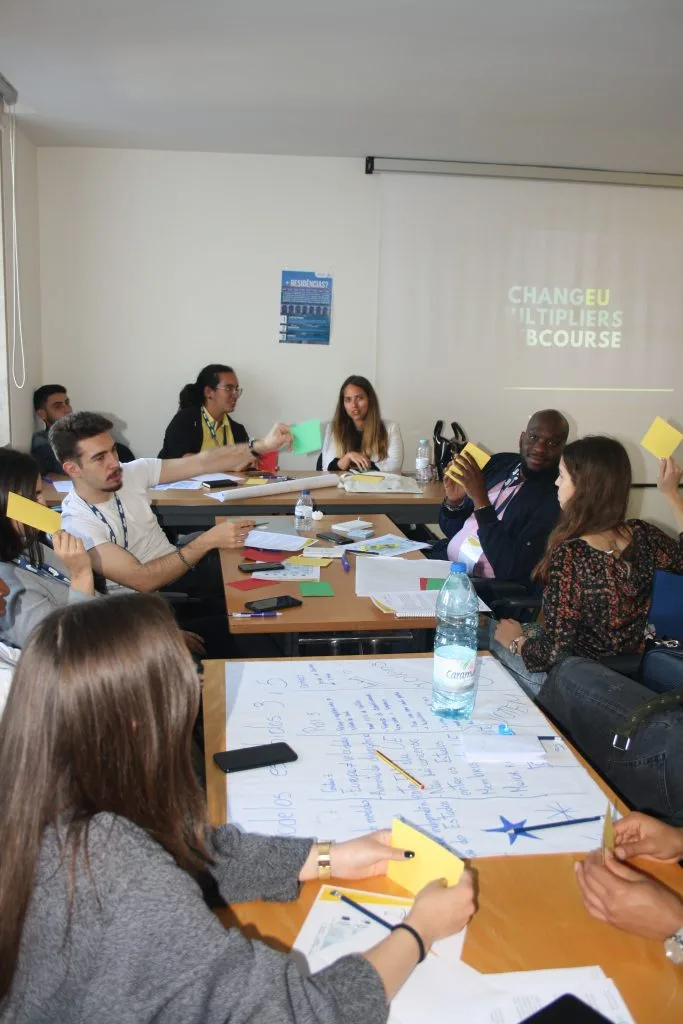
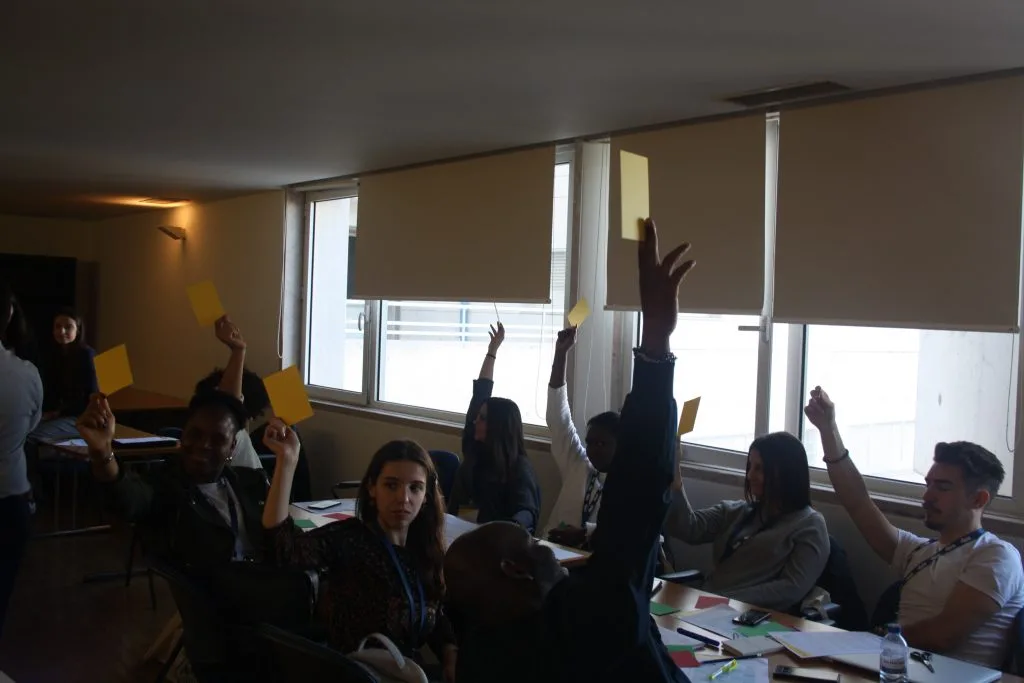
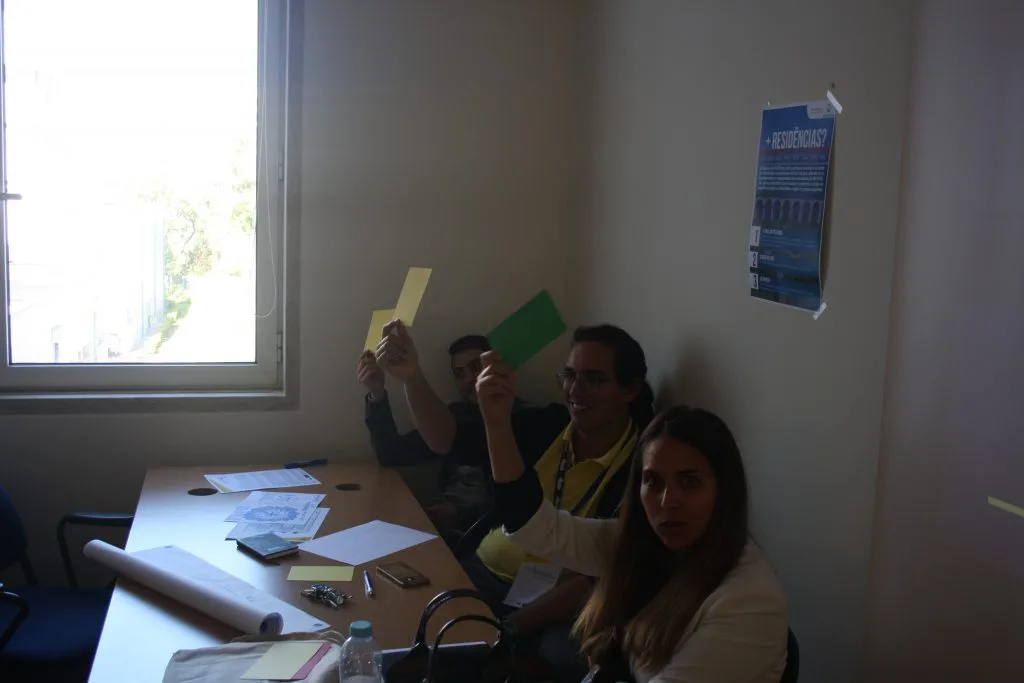
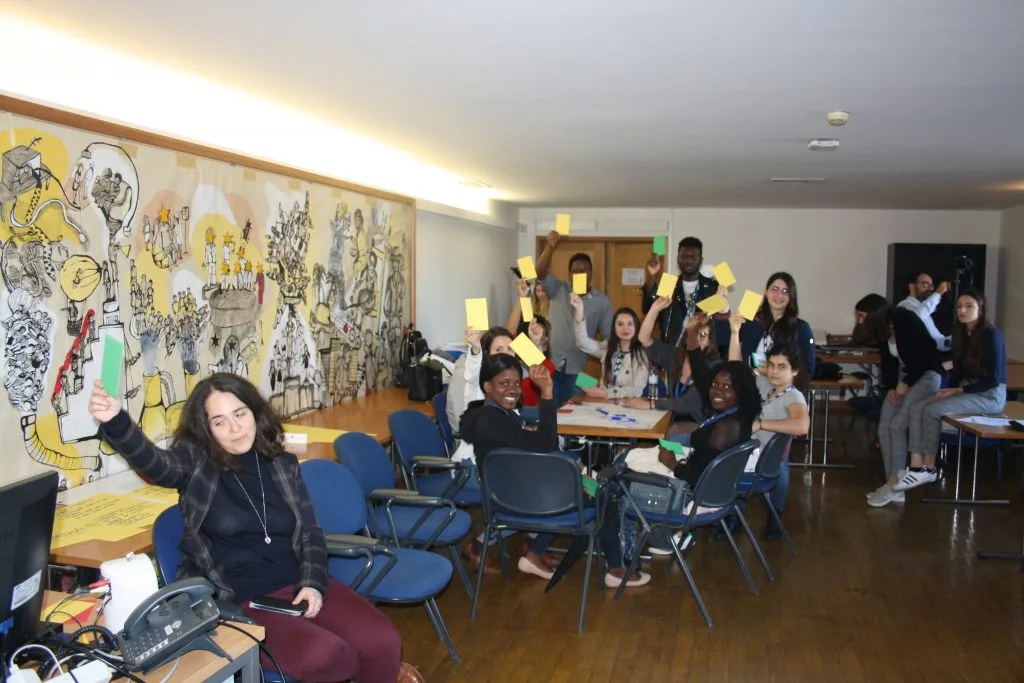
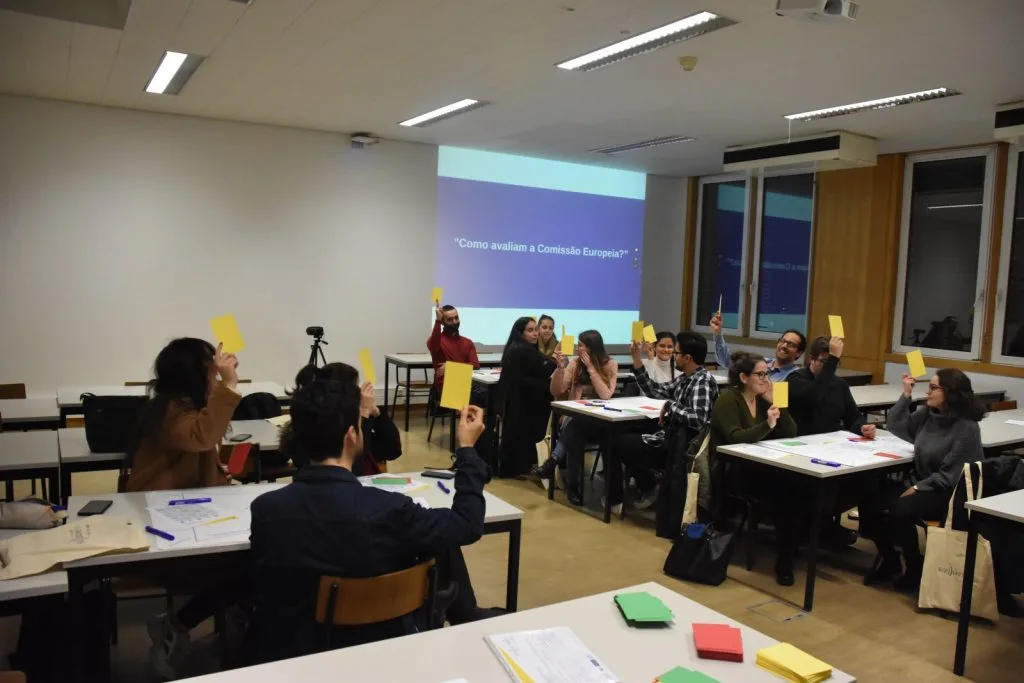
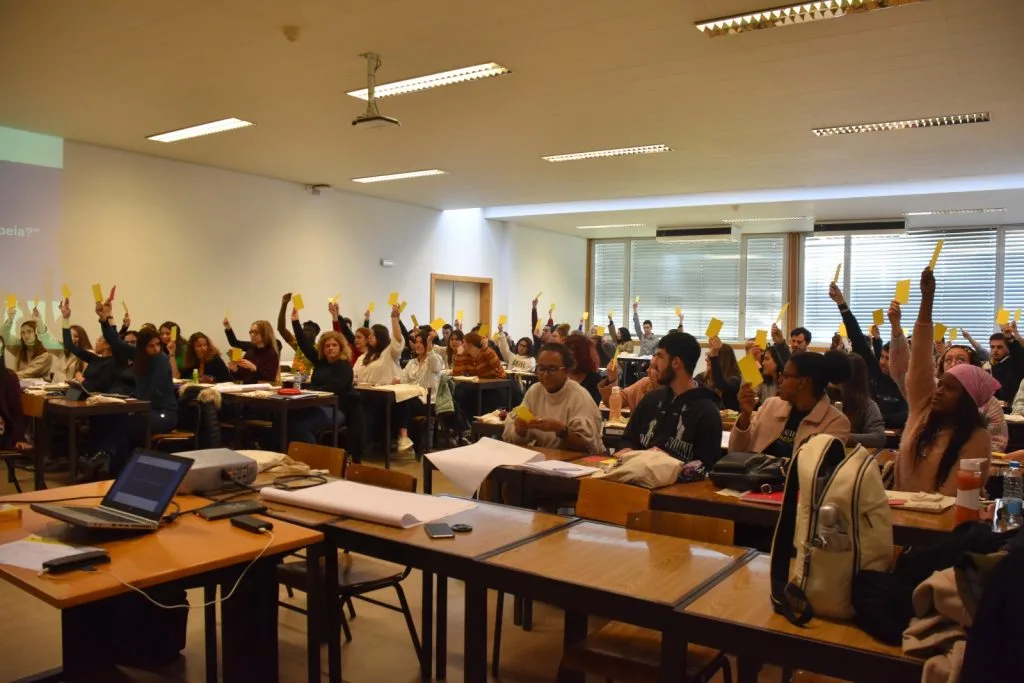
This event ended with the presentation of the web-course “ChangEU Multipliers” and with each participant showing a card to the actual European Commission, where Green meant that they feel European Commission aligns with their interests and opinions, Yellow meaning that they somehow feel connected with the European Commission work, but they feel some lack of representation and Red signalizing that they don´t feel represented at all by the work done by the European Commission.
During this event, some of the young participants also shared with us their expectations regarding European Union and the European Parliament.
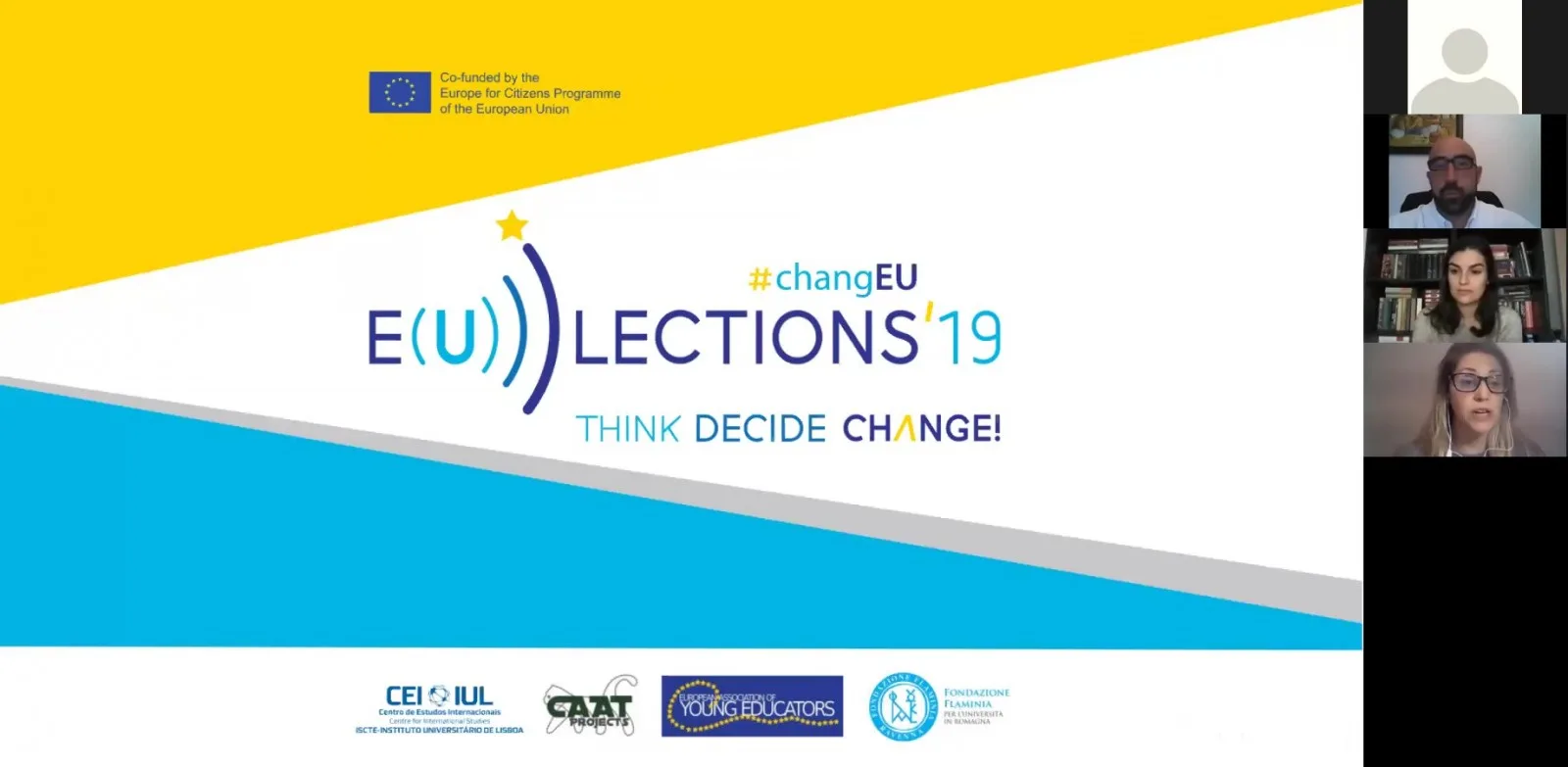
The EULECTIONS’19 roadshow continued online with Universidade dos Açores on December 11, 2020. The event gathered 46 citizens, including 41 participants from the city of Ponta Delgada, S. Miguel, Azores, 5 participants from the city of Lisbon, Portugal, to reflect and collect perspectives from the archipelago, one of the European Union (EU) outermost regions, about the future scenarios for the EU.
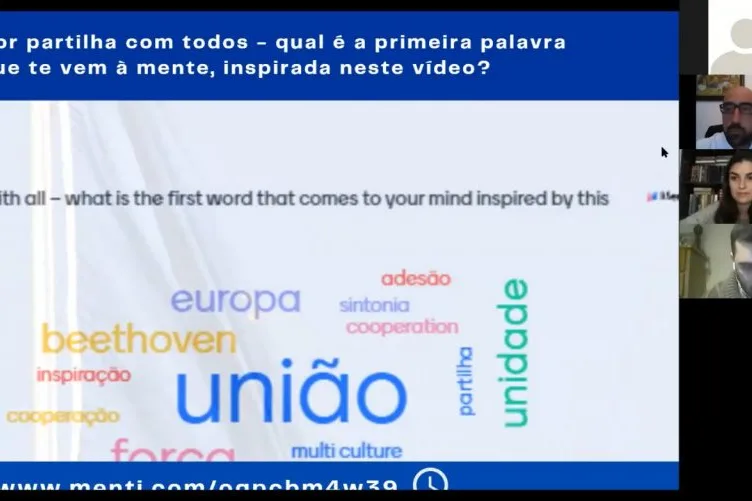
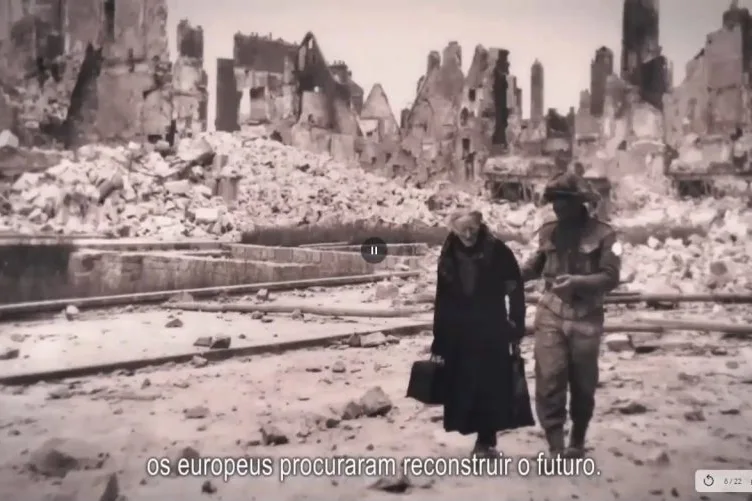
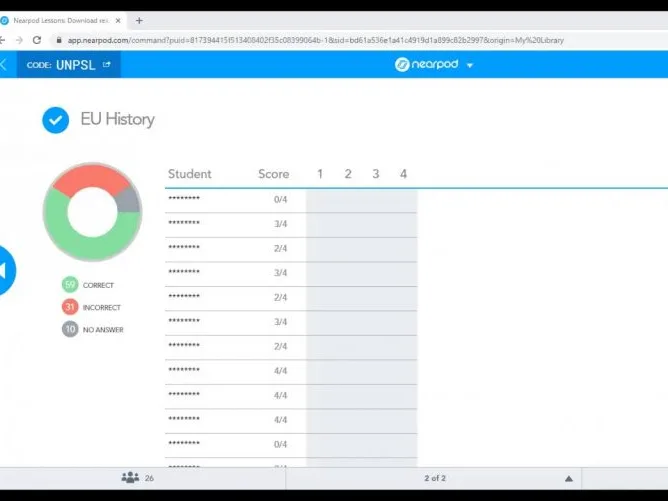
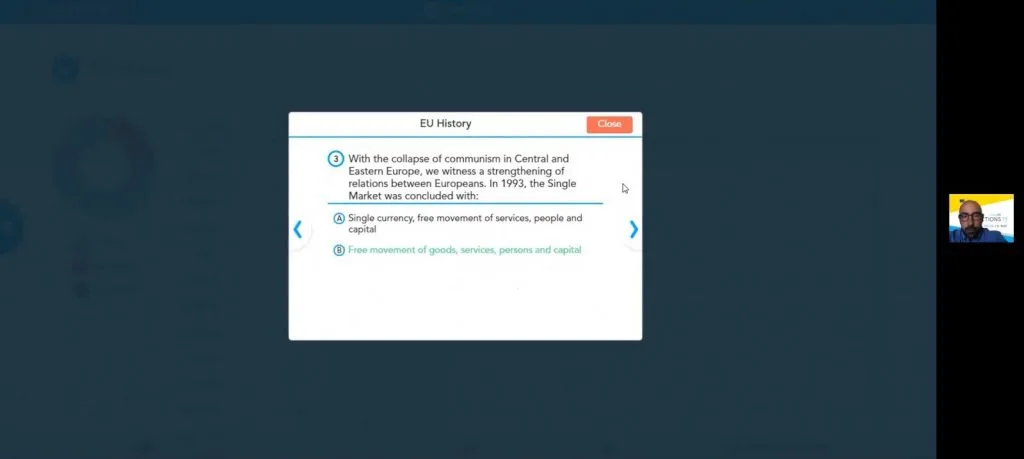
We’ve started the session with the project’s presentation and a short video about Europe’s day and asked participants to share the words they associate with the video and Europe. After a brief commentary about the group’s word cloud, we’ve presented a short video about the history of the EU, followed by a quiz on this topic. Participants were invited to test their knowledge about the European project after the Second World War, before the reflection about the present and future of the EU.
After sharing the quiz results and a brief discussion, the next activities of the workshop were focused on the current state of the EU and the possible ways forward. Having, as a starting point, a video and a presentation about the “White Paper on the Future of Europe”, the participants were then divided in small groups, in different Zoom rooms, with the task of choosing and reflecting about one of the five scenarios, its pros and cons. Each group was supported by a facilitator.
Following the reflection about the scenarios, each group’s main conclusions were presented and debated by the facilitators and the participants. After this collective reflection, each participant was invited to decide individually, which scenario they considered better for the future of the EU, the “citizen’s scenario”.
For some of the participants, the Union needs to consolidate its institutions and coordination processes to respond to challenges, as for others it needs to change to “do much more together”.
Recognizing Brexit and the initial COVID19 pandemic response as pivotal moments that underscore the need to make improvements to the European project, students also recognized the importance of the EU in promoting better living conditions in the poorer regions of the continent. They’ve also stated the importance of European values and the fight against extreme nationalist ideas to keep united in diversity.
As for citizens’ role in shaping the EU’s future, students emphasized the importance of improving the Union’s communication with citizens, especially from peripheral regions, and find ways to engage Europeans in the debate.
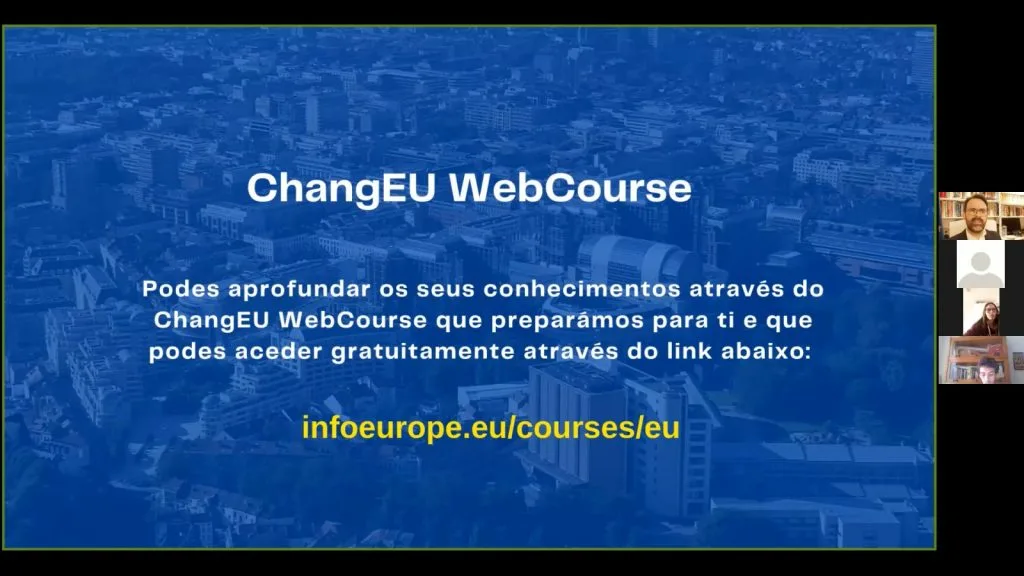
With the aim of promoting the participants interest in the future of the EU, we’ve share information about the Conference on the Future of Europe and the European Citizens’ Initiative, key instruments to allow citizens to engage with the European project and shape its policies. Also, highlighting the importance of an informed and active European citizenship, we’ve shared with participants the ChangEU Webcourse, developed in the framework of the project, where they can access information about the European Union’s history, role and challenges.
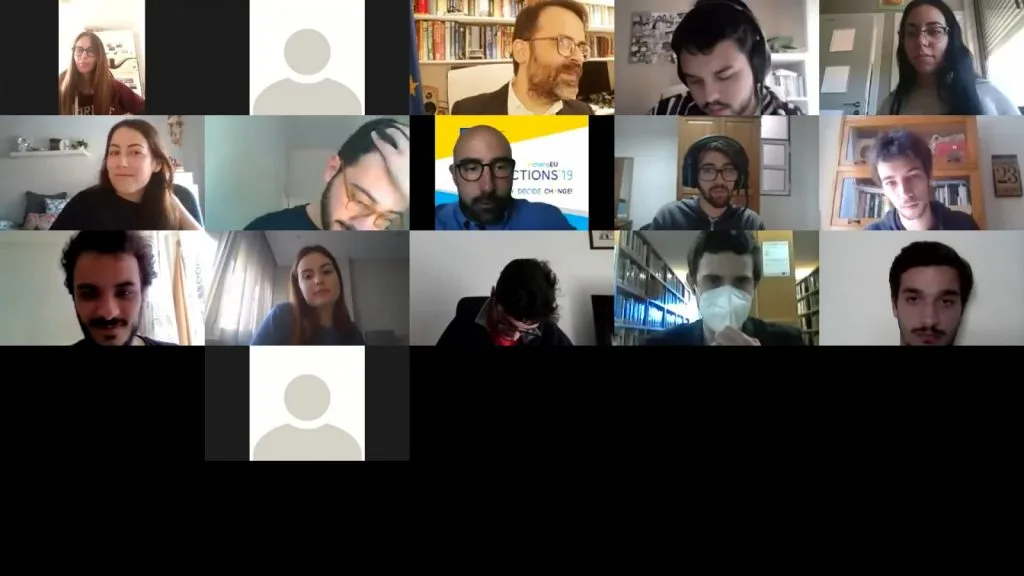
On May, 4, 2021, the EULECTIONS’19 roadshow returned to Iscte, to promote an online workshop with Political Science students. The event involved 29 citizens, including 28 participants from the city of Lisbon, Portugal, 1 participant from the city of Madrid, Spain
The workshop started with a project presentation by the coordinator and the partners, followed by an introductory activity in which students where invited to share the first word they associate with the EU.
After the introduction, we’ve invited students to watch a short movie about the history of the EU and test their knowledge about the building of European community through a quiz. The first activities of the workshop aimed to set the floor to the discussion about the present and future of the European Union.
Following the quiz about Europe’s past and a brief commentary by the facilitators, we’ve presented a short video and additional background information about the White Paper on the Future of Europe and – Five scenarios. This was the starting point for the next activity, a group reflection about the pros and cons of the various scenarios. Participants were then divided in small groups to chose one of the five scenarios and reflect about it.
Each group’s main conclusions were presented and debated. For some of the participants, it’s important to set more ambitious goals for the future of the EU by developing the political union and improving its representativeness, although recognizing the risks of alienating those groups of citizens who oppose increasing the EU’s political role. For others, the more ambitious scenarios for the future of the EU are also difficult to achieve or even unrealistic in the short term, due to the very diverse socioeconomic conditions in the member states.
Another group of students considers important to improve and consolidate the current European model and its institutions and only then, advance to more ambitious goals. This strategy would contribute to improve EU’s relations with European citizens and reduce Eurocepticism although key important challenges remain, namely the international role of the EU and its ability to respond to international events and the development of common tax policies. The debate was wrapped up with the individual vote on the preferred scenario for the future of the EU.
We then proceeded with the next activity in which we invited participants to present their suggestions regarding priority areas to be addressed by the EU to respond to its citizens’ needs and ways to improve the relationship between the European institutions and European citizens.
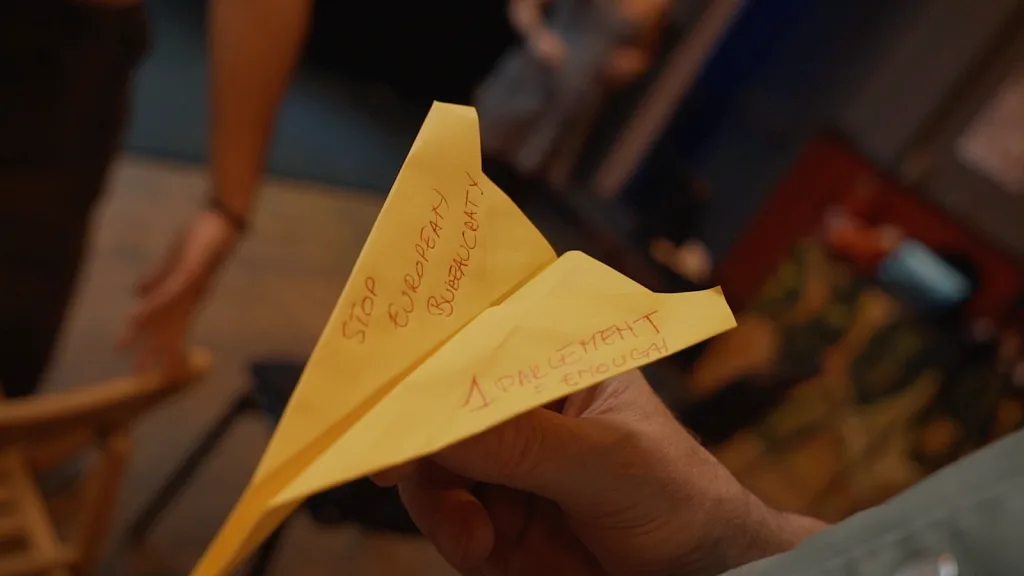
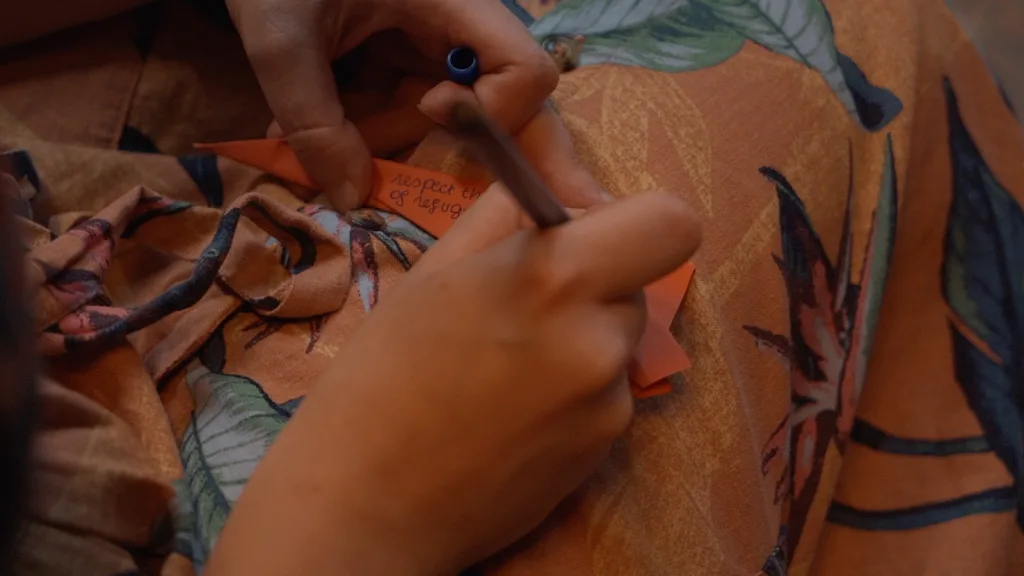
Regarding the priority areas for EU’s intervention, participants mentioned climate change and sustainability, the socioeconomic inequalities between countries and the refugees crisis. In order to improve its relationship with European citizens, EU institutions should be more transparent, promote participatory decision making, take into account each countries’ specificities and reduce bureaucracy. Citizens should also be more involved in European issues.
Following the collection of the students’ perspectives suggestions about European citizenship, we’ve shared two important initiatives regarding the future of Europe and citizens’ participation, the Conference on the Future of Europe and the European Citizens’ Initiative.
Finally, we’ve invited participants to continue to learn and share information about Europe through the online resource created by EULECTIONS’19, the ChangEU Webcourse.
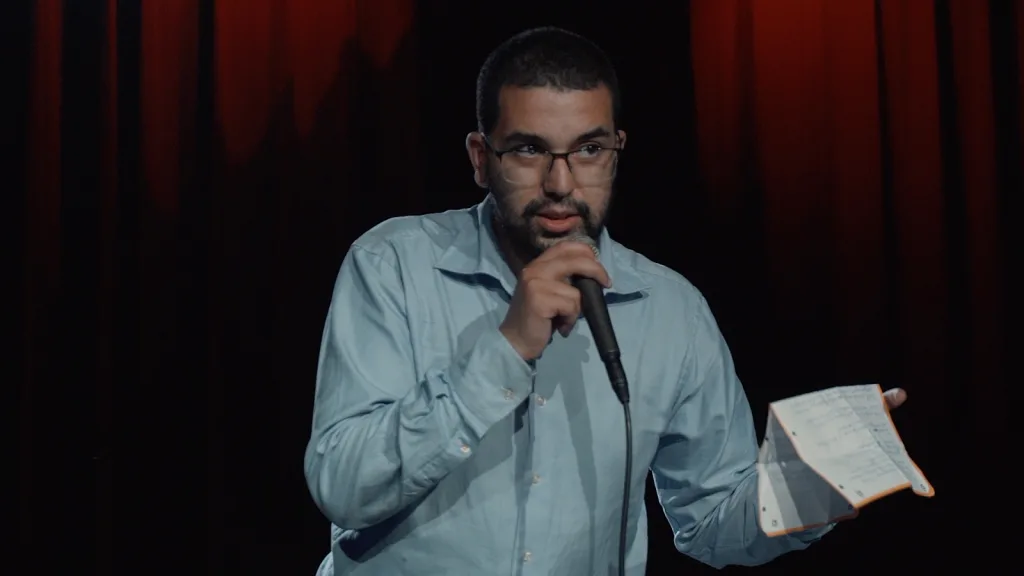
On the July, 6, 2019, in the theatre Formaat, in Rotterdam, a group of people came together for the “Raise Your Voice Festival”. The festival was organized by Stichting CAAT Projects in collaboration with Stichting Formaat Wekplaats voor Participatierf Drama.
The event involved 53 citizens, including 23 participants from the city of Rotterdam, The Netherlands, 1 participant from the city of Budapest, Hungary, 8 participants from the city of Lisbon, Portugal, 6 participants from the city of Brussels, Belgium, 7 participants from the city of Warsaw, Poland, 6 participants from the city of Athens, Greece, 1 participant from the city of Bucharest, Romania, 1 participant from the city of Skopje, North Macedonia.
The artistic acts were previously prepared by a group of 30 young people and then presented to the wider group. They were challenged with that task and even if most of them were not artists themselves, they worked together to plan a 2 hours act with poetry, dance and music.
In preparation to the festival we have talked about possible issues that young people are facing in their local setting. The main problems identified by the young people, that were common to their countries, were the following: women’s rights, minorities ‘rights, integration of refugees, discrimination, medical and educational staff are not prepared to deal with the ones that have issues, pressure from the society to hide/suppress your feelings and emotions, a post-colonialist mindset that was preserved in Europe, to have easy access to healthy food and the lack of psychological support in mental hospitals and school.
We also need to set an example and to promote the type of society that we want to see. So the European Union and the National politicians should provide the resources needed, but then it has to be each one of us the agent of change.
When the group analysed the 5 scenarios of the White Paper on the Future of Europe, they immediately refuse the scenery to continue as it is or to focus on the single market. In general, their idea is that the politics in Europe and in each national country is way to focus on the economic interests and that is why they neglect the minorities and their rights. Thus, the only scenery that would be desirable for an united Europe was the last one, “Doing much more together”.
After this discussion and when the group was deciding for the collective message to be send to the European Parliament, they reach the conclusion that we cannot just seat and wait for the politicians to solve their challenges.
For the group the priority was to look to people as lives full of potential and not as numbers.
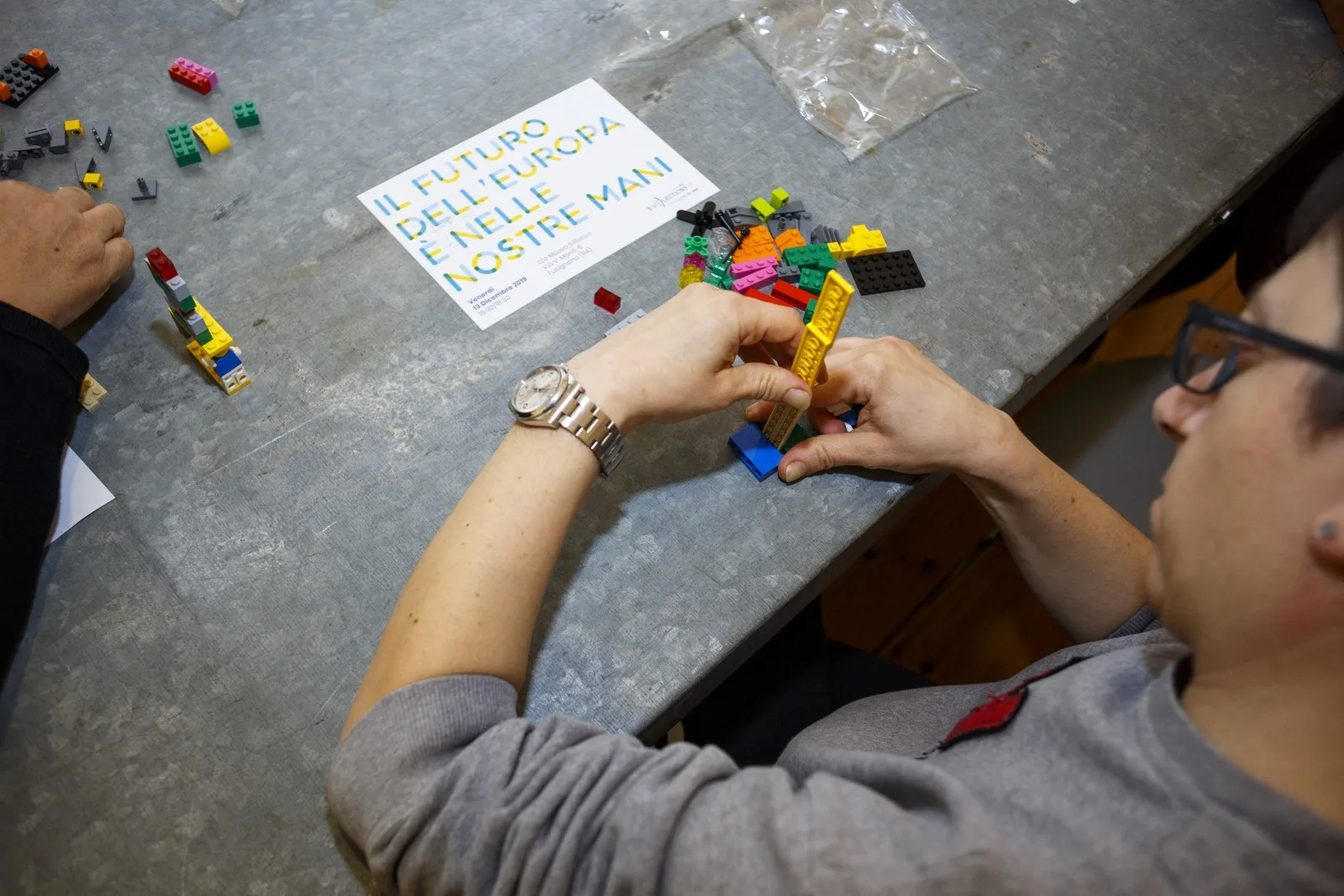
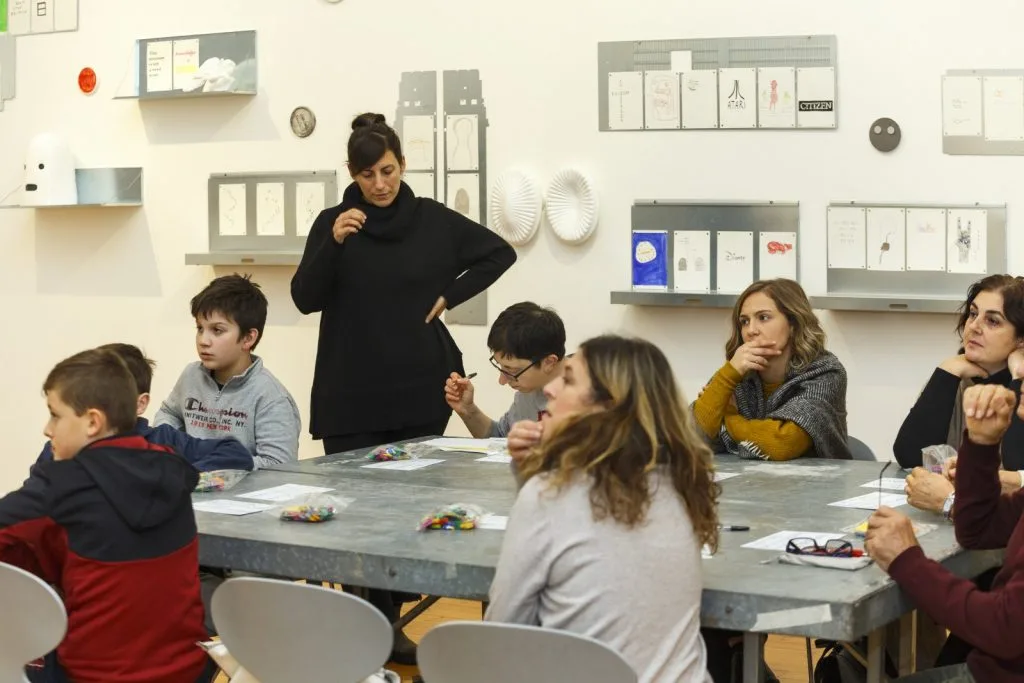
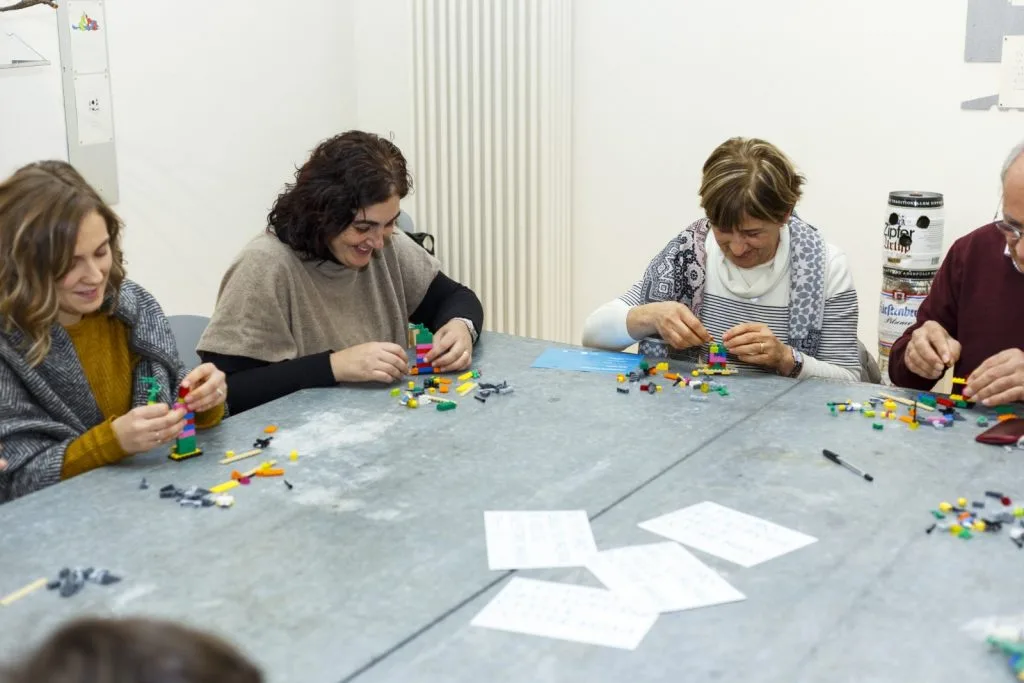
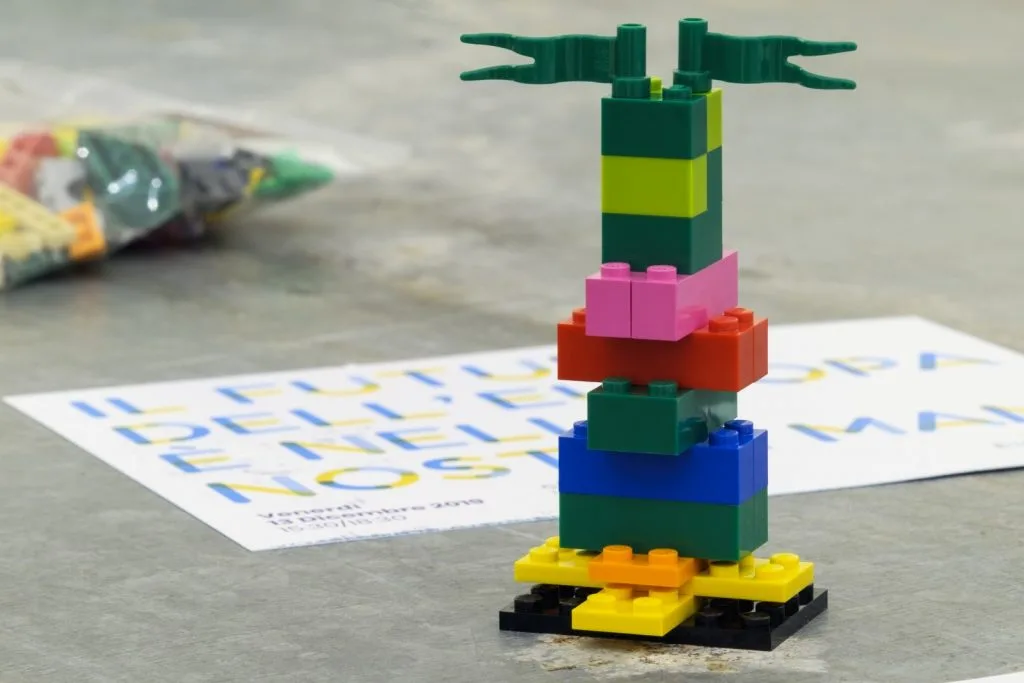
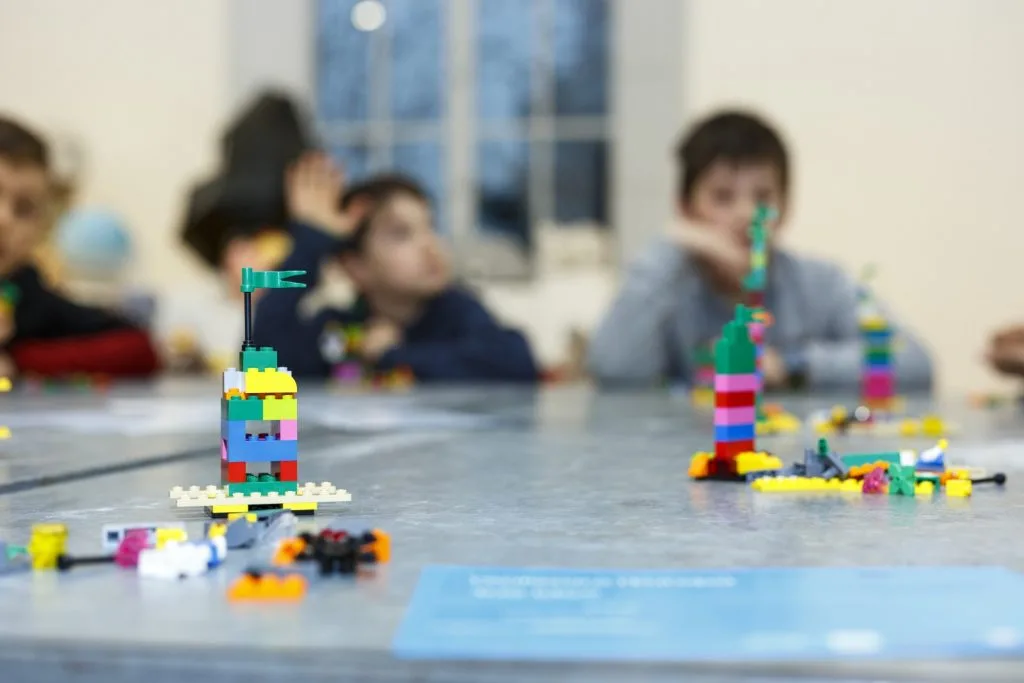
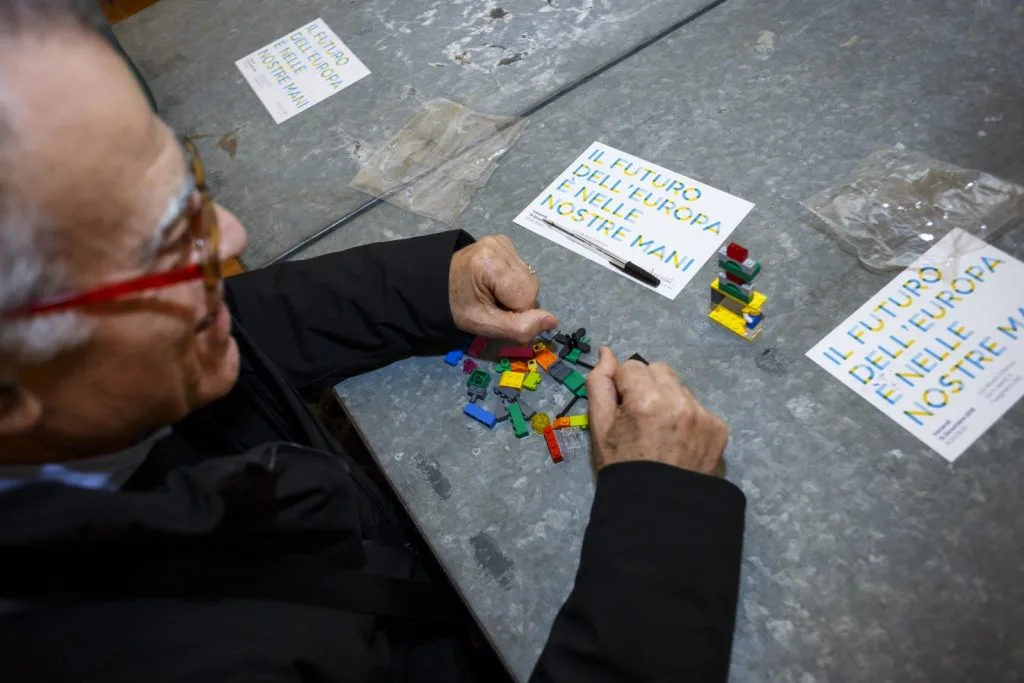
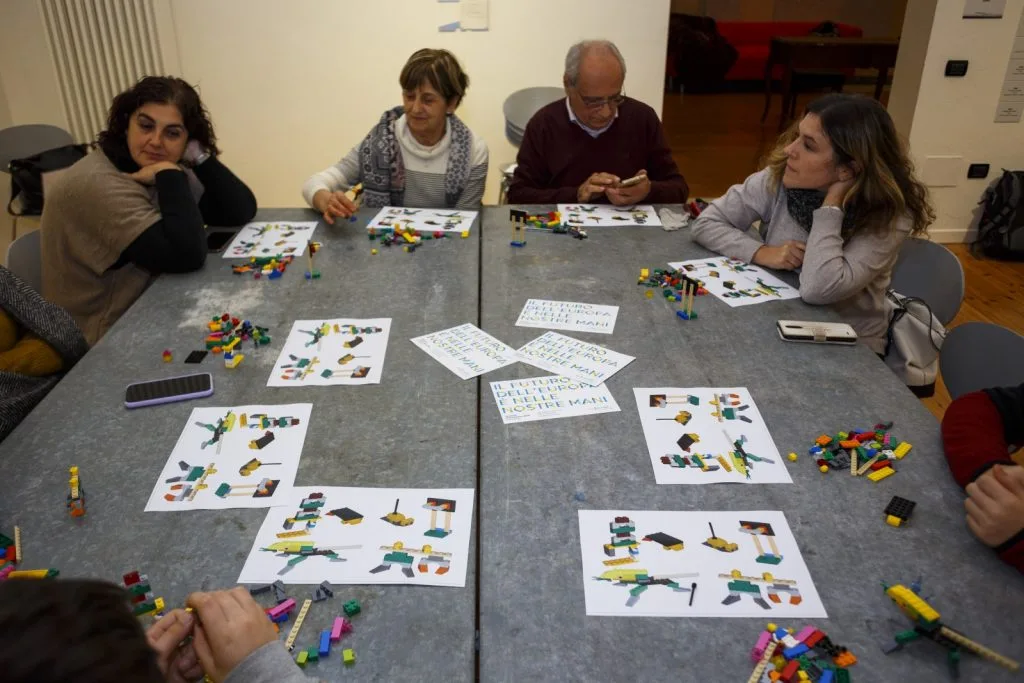
On the 13th December, at Fusignano, Fondazione Flaminia and Comitato Gemellaggio Fusignano organized a workshop to debate the future of Europe. Using the LEGO Serious Play methodology, the participants shared their ideas through 3D models.
This event took place at the museum and involved the world of local associations, with the twinning committee. The event involved 28 citizens from the city of Fusignano, Italy. This workshop got participants to simulate the European Commission’s 5 Scenarios for The Future of Europe so that they can perceive and express their ideas about the current and future role of the European Union and understand how they can #changEU.
Using Lego Serious Play to think, communicate and present solutions to European problems and challenges
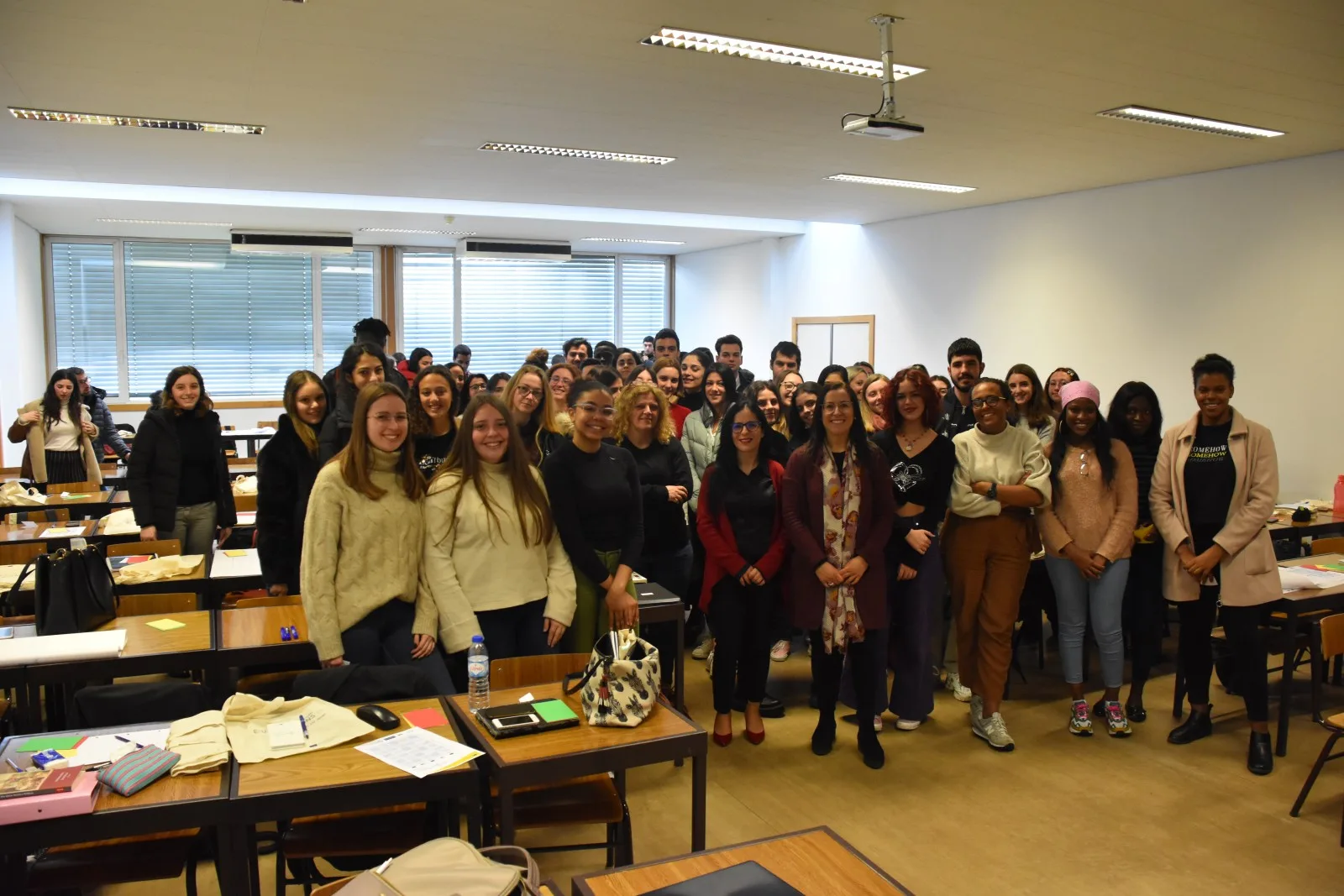
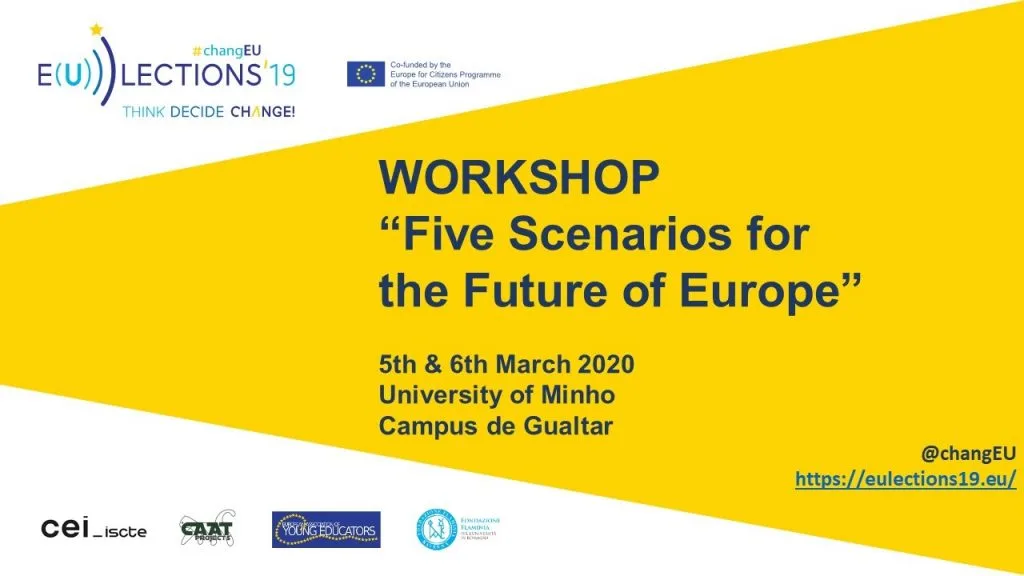
On March, 5 and 6, 2020, the Centre for International Studies (CEI-Iscte) and the European Association of Young Educators (EAYE) took the debate about the Future of the EU to Braga, in collaboration with the University of Minho, on the north of Portugal. The event involved 77 citizens, including 68 participants from the city of Braga, 7 from the city of Lisbon, Portugal, 1 from the city of Paris, France and 1 from the city of Rome, Italy.
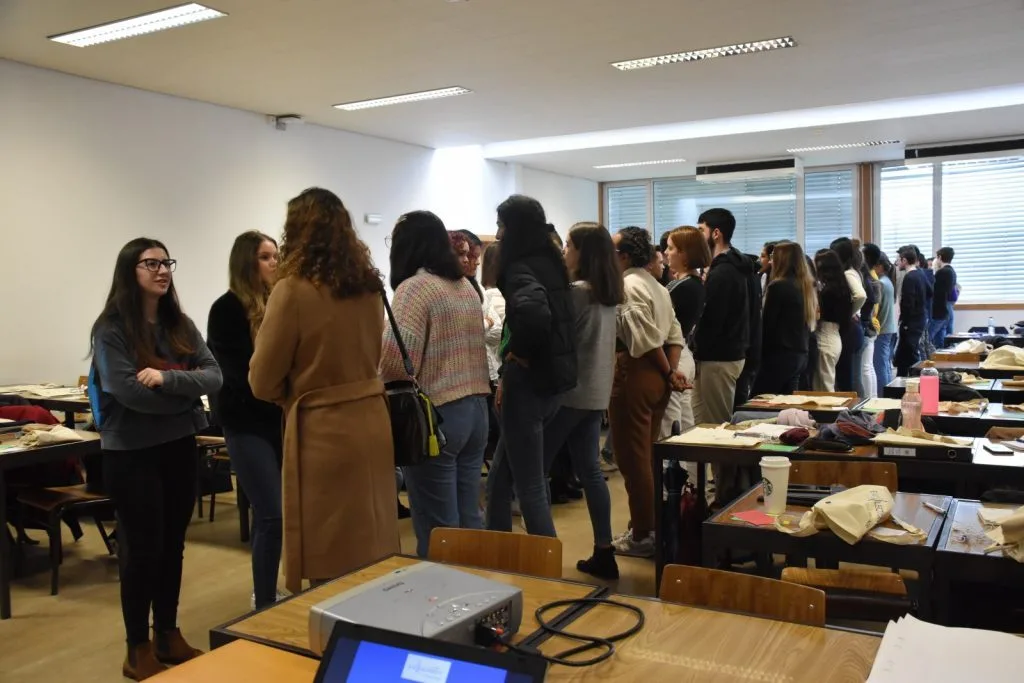
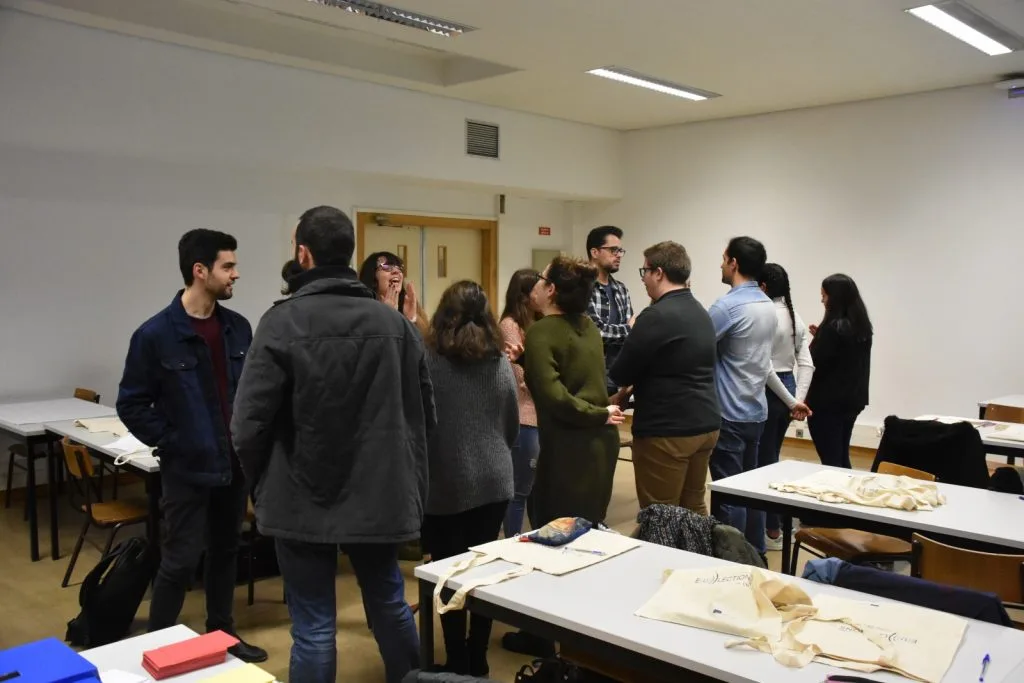
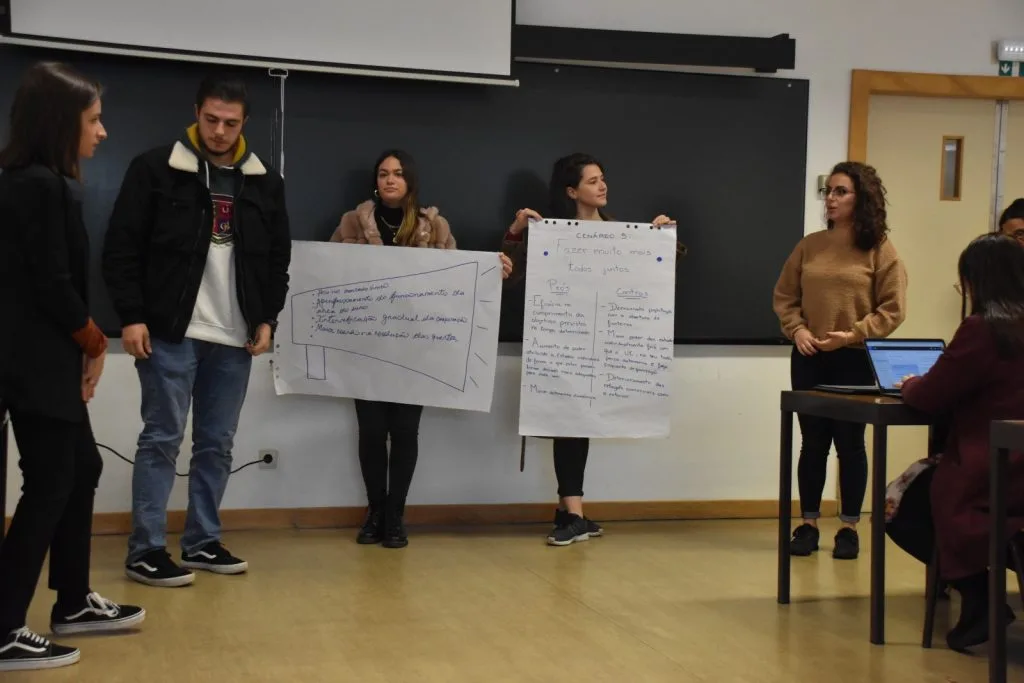
During the workshops, students from the master’s and graduation classes on International Relations shared their perspectives and ideas about the 5 scenarios for the future of Europe. The event included 2 workshop sessions with the two groups. The sessions started with a brief presentation of the project by the partners, followed by the “EU dating” an activity in which participants had to share with each other their answers to the questions “What does it mean to be an European Union citizen”.
After the initial presentations and ice-breakers, we invited the participants to watch a video and a presentation about the 5 Scenarios for the Future of Europe. This introductory video and the additional information provided were the starting point for the group-work in which students chose one of the scenarios, reflected about its pros and cons and shared with the rest of the group. Each group also created a message for the European institutions.
Following the groups’ presentation about the scenarios they worked on, its pros and cons, and their messages for the EU, we asked students to share their perspectives on the current state of the European Union and the European Commission using green, yellow and red cards. The Green meant that they feel European Commission aligns with their interests and opinions, Yellow meaning that they somehow feel connected with the European Commission work, but they feel some lack of representation and Red signalizing that they don´t feel represented at all by the work done by the European Commission.
The project ChangEU has been promoting workshops in Portugal, Italy and The Netherlands to collect citizens’ perspectives about the future of Europe, focusing on the 5 scenarios put forward by the European Commission. Throughout the project, partners have used non-formal education methods to debate and develop creative ideas about the EU we want. During this period of social distancing, we’ve explored online platforms to develop new and creative ways to promote participation in the discussion about Europe.
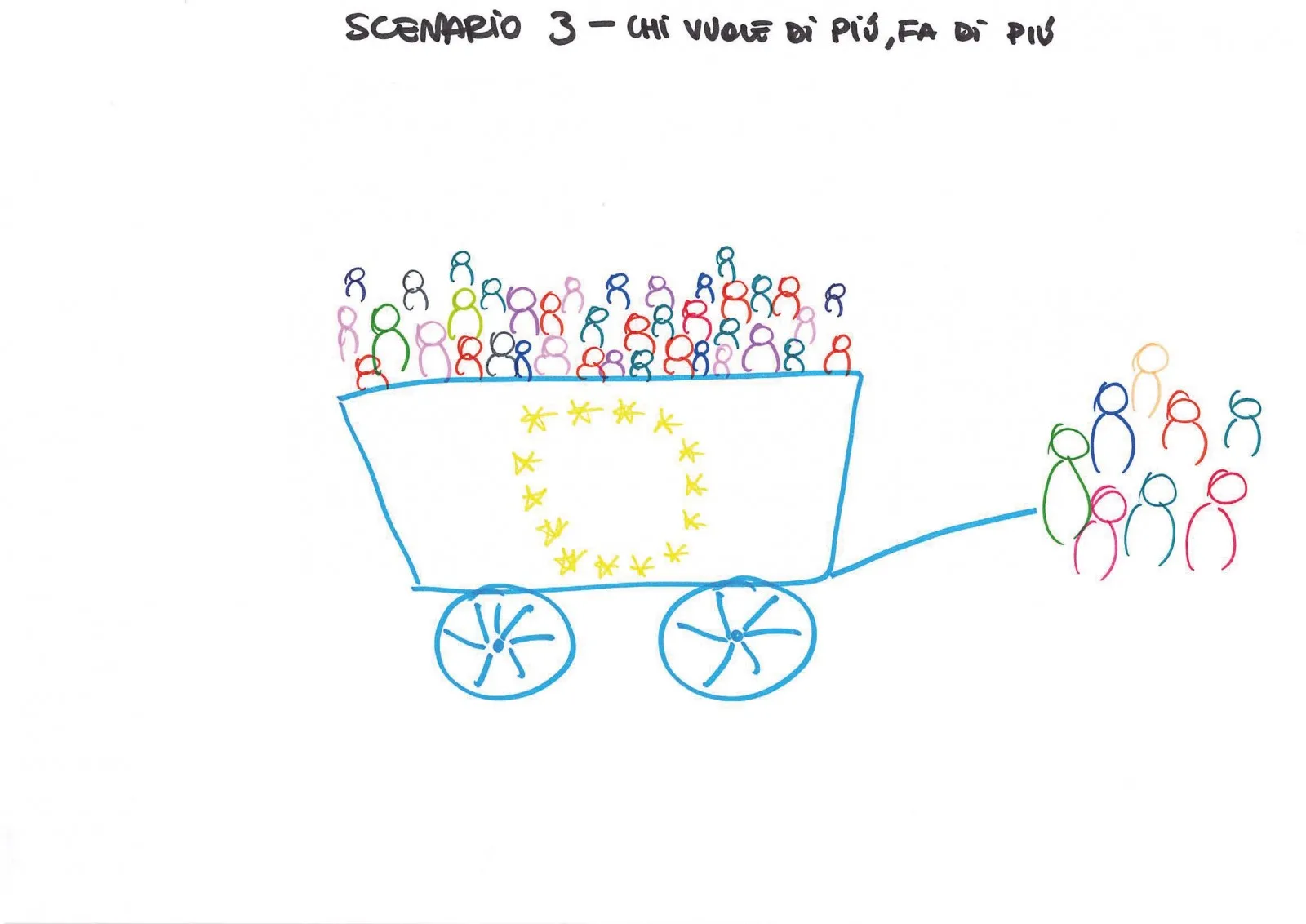
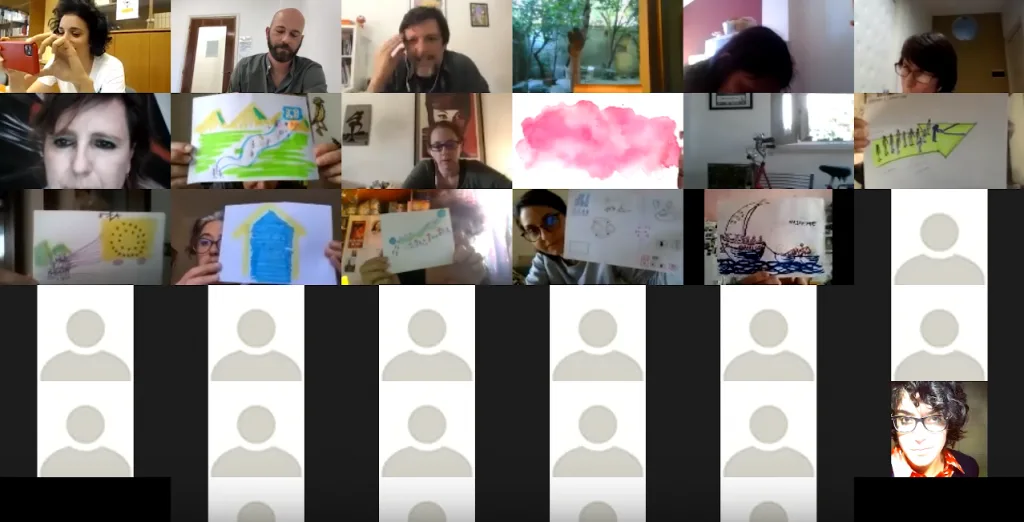
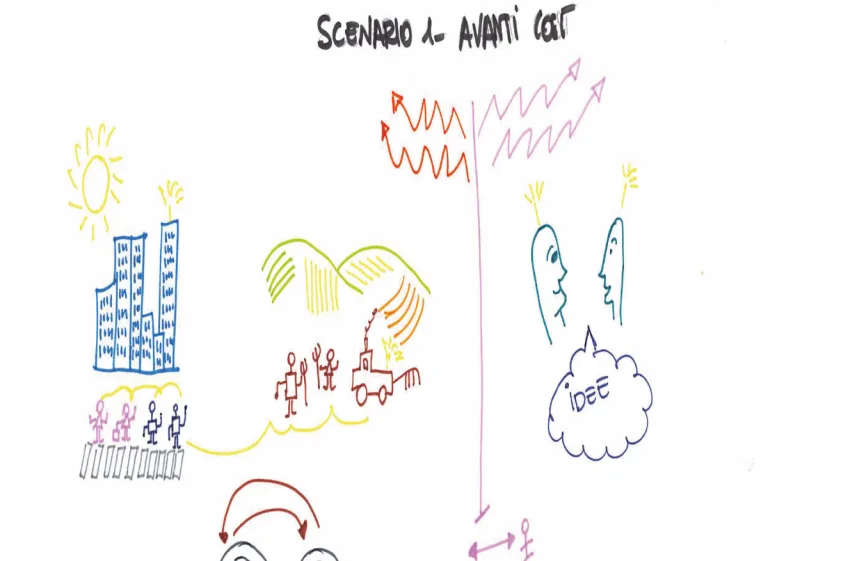
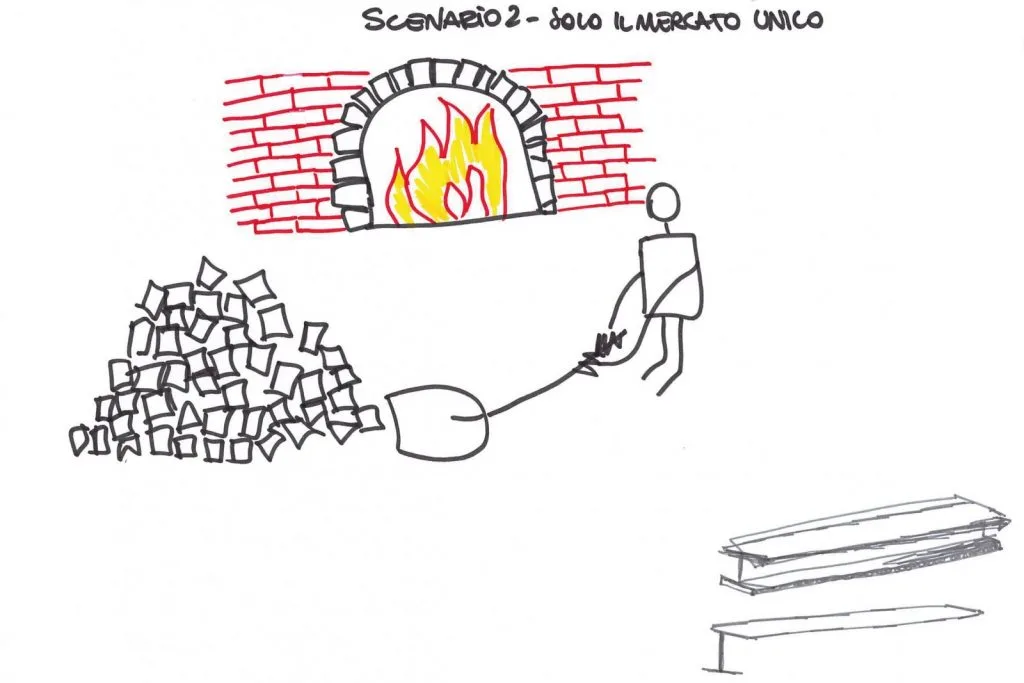
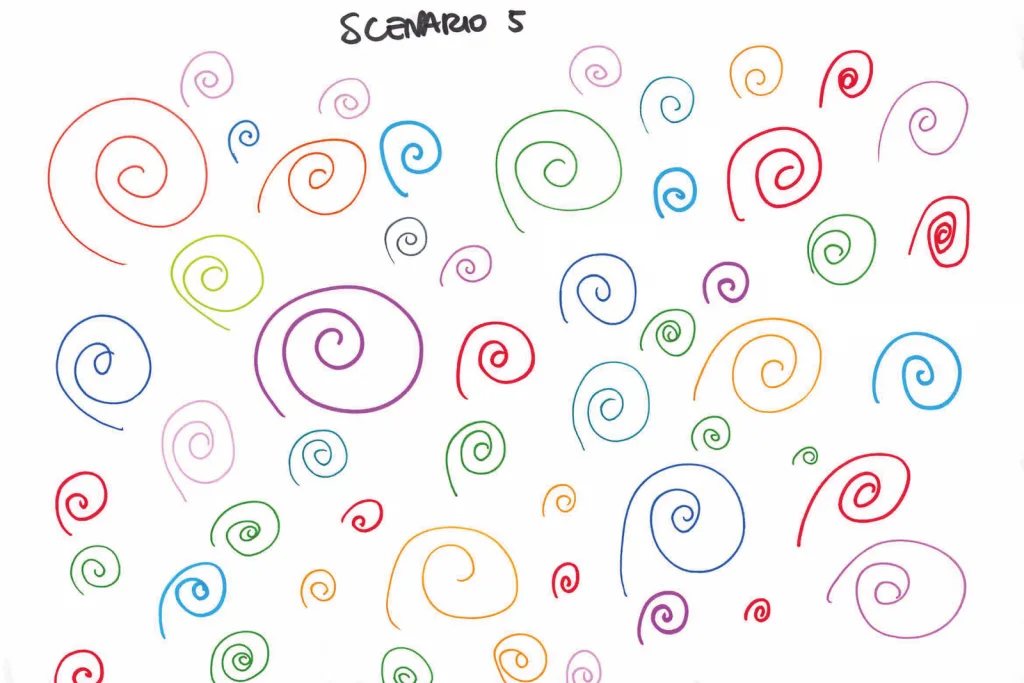
Fondazione Flaminia promoted on May, 25, 2020, an online workshop facilitated by Alessandro Bonaccorsi, using the Ugly Design2 methodology, that aimed to use drawing as a way to express ideas and concepts. The event involved 40 citizens, including 37 participants from the city of Ravenna, Italy, 3 from the city of Lisbon, Portugal.
The workshop was expected to be held in the classroom with a class from the Ravenna art high school, but the lockdown and social isolation did not make it possible to organize a workshop in person.
In a moment of emergency and structural, economic and social crisis that has affected the whole world, we considered fundamental to continue to talk about Europe and the future of the EU. We have therefore remodelled the workshop to make it usable online, through the platforms we learned to use during the lockdown period, and we opened it to all citizens, without age limits.
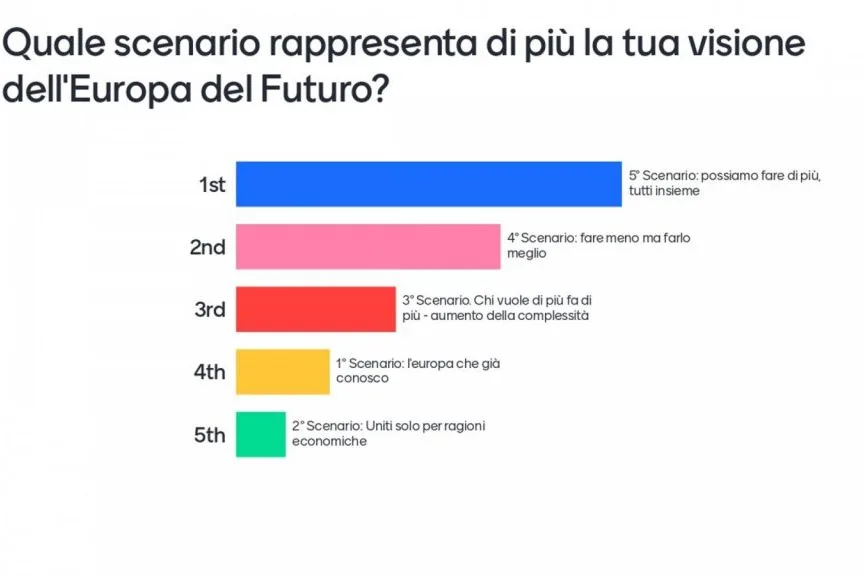
During the workshop, the participants were invited to imagine and convey messages about Europe using drawing, express their opinions about the future, namely which of the 5 scenarios they consider the best option for Europe, and reflect about the fundamental conditions to turn it to reality.